
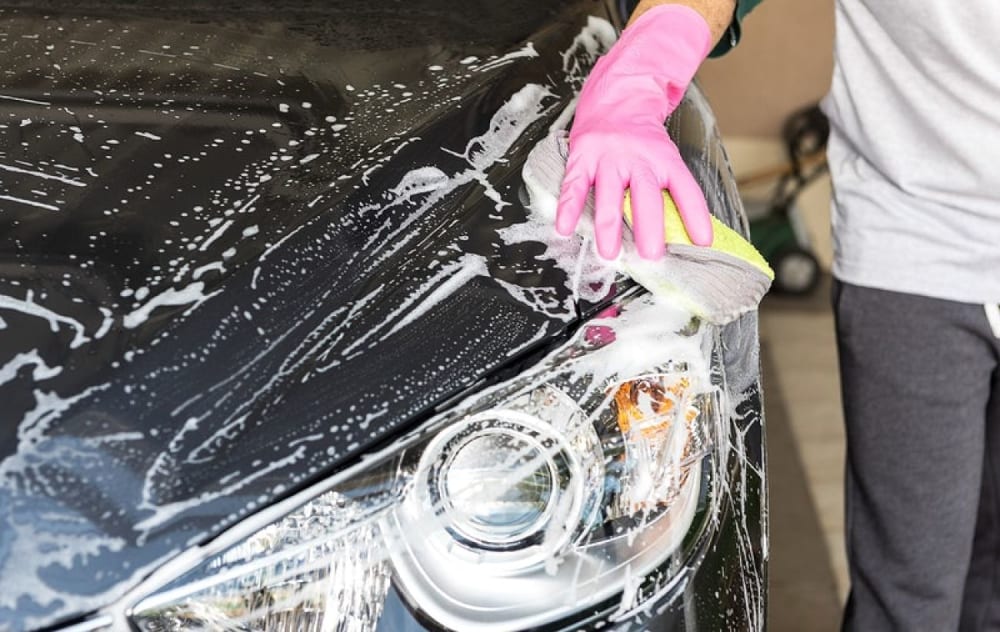
Keeping your car clean is about more than just appearance. Regular washing protects the paint, prevents corrosion, improves visibility, and helps maintain the overall value of your vehicle. One of the fastest and most convenient ways to clean a vehicle is by using a car wash. However, for many drivers—especially first-time users—going through a car wash can feel confusing or even intimidating.
From choosing the right type of wash to understanding how to position your car and what to do inside the wash tunnel, knowing the correct steps can make the experience smooth and stress-free. This guide explains everything you need to know about how to go through a car wash, including preparation, step-by-step instructions, tips for different types of washes, and common mistakes to avoid.
Why Regular Car Washing Is Important
Before learning how to go through a car wash, it helps to understand why regular washing matters.
Cars are constantly exposed to environmental contaminants such as dust, dirt, bird droppings, tree sap, pollen, road salt, and pollution. Over time, these substances can damage the vehicle’s paint and finish.
Regular washing helps:
- Protect the paint and clear coat
- Prevent rust and corrosion
- Improve windshield and mirror visibility
- Maintain the vehicle’s resale value
- Keep your car looking new and well maintained
A professional car wash also uses specialized cleaning products and equipment designed to remove stubborn grime without harming the vehicle.
Types of Car Washes
Not all car washes operate the same way. Understanding the different types will help you know what to expect when you arrive.
Automatic Tunnel Car Wash
This is the most common type of car wash. In this system, you drive your car into a tunnel where the vehicle moves along a conveyor belt while machines wash, rinse, and dry the car.
Features typically include:
- Soap sprayers
- Rotating brushes or soft cloth strips
- High-pressure water jets
- Wax applicators
- Large drying blowers
Drivers usually remain inside the car while it moves through the tunnel.
Touchless Automatic Car Wash
A touchless wash uses high-pressure water and specialized detergents instead of brushes or cloths.
Benefits include:
- Reduced risk of scratches
- No physical contact with the car
- Suitable for delicate paint finishes
However, touchless systems may not remove heavy dirt as effectively as soft-cloth washes.
Self-Service Car Wash
In a self-service car wash, you park in a bay and use a pressure washer wand, soap brush, and rinse equipment to clean the car yourself.
Advantages include:
- More control over cleaning
- Lower cost
- Ability to focus on heavily soiled areas
However, it requires more time and effort than automatic systems.
Hand Car Wash
Some locations offer manual hand washing performed by staff.
This option often provides the most detailed cleaning but can be more expensive and time consuming.
Preparing Your Car Before Entering the Car Wash
Proper preparation ensures the process goes smoothly and prevents damage.
Close All Windows and Sunroofs
Before entering the wash, double-check that all windows, sunroofs, and convertible tops are completely closed. Even a slightly open window can allow water to enter the vehicle.
Remove Loose Items
Take off or secure items that might fall off during washing, such as:
- Magnetic signs
- Loose roof rack accessories
- Antennas that can be unscrewed
- Decorative attachments
Some car washes recommend removing antennas to prevent damage.
Fold Side Mirrors if Necessary
Certain vehicles with large mirrors may need them folded in before entering the wash. This prevents them from being struck by brushes or spinning cloth strips.
Check Your Vehicle’s Compatibility
Most modern cars can safely go through automatic car washes, but some vehicles require extra caution.
Examples include:
- Oversized trucks
- Vehicles with large roof accessories
- Cars with fragile paint or body modifications
If you’re unsure, check your vehicle manual or ask the car wash attendant.
Step-by-Step Guide: How to Go Through an Automatic Car Wash
Using an automatic tunnel car wash is simple once you understand the process.
Step 1: Choose a Wash Package
Most car washes offer several packages, typically including options such as:
- Basic wash
- Wash with wax
- Premium wash with undercarriage cleaning
- Deluxe wash with tire shine and ceramic coating
The more expensive packages include additional protective treatments and detailing services.
Select your desired option at the payment kiosk or with the attendant.
Step 2: Pay for the Wash
Payment methods usually include:
- Credit or debit card
- Cash
- Mobile payment
- Membership subscription plans
Once payment is processed, the system will signal when you can proceed.
Step 3: Align Your Car With the Track
Slowly drive forward toward the entrance of the wash tunnel.
Most car washes have guiding rails or arrows to help you position your wheels correctly. In tunnel systems with conveyor belts, an attendant or signal light will indicate when to stop.
Correct alignment ensures your vehicle moves smoothly through the wash.
Step 4: Put Your Car in Neutral
Once the car is properly positioned on the conveyor belt, shift your vehicle into neutral.
This allows the track to move the car forward automatically.
Different transmissions require different steps:
- Automatic transmission: Shift to neutral and release the brake.
- Manual transmission: Shift to neutral and avoid pressing the clutch.
Follow any instructions posted by the car wash.
Step 5: Take Your Foot Off the Brake
After shifting to neutral, remove your foot from the brake pedal. The conveyor system will begin pulling your vehicle forward through the tunnel.
Keep the steering wheel straight and avoid making any adjustments.
Step 6: Turn Off Windshield Wipers
Many vehicles have automatic rain-sensing wipers. Turn them off before entering the wash to prevent damage from the brushes.
Step 7: Stay Still While the Car Moves
Once inside the wash tunnel, remain calm and avoid touching any controls.
During the process you will see:
- Soap being sprayed
- Brushes or cloth strips moving across the vehicle
- High-pressure water jets rinsing the car
- Wax or sealant application
- Large fans blowing air for drying
The entire process usually takes between three and five minutes.
Step 8: Exit the Car Wash
When the conveyor reaches the end of the tunnel, a signal light will indicate when to drive forward.
Shift your vehicle into drive and slowly exit the wash area.
Some locations also provide free vacuum stations for cleaning the interior.
How to Use a Touchless Car Wash
The steps for a touchless automatic car wash are slightly different.
Park in the Designated Spot
Drive into the washing bay until your car reaches the stopping point indicated by signs or lights.
Unlike tunnel systems, the vehicle usually remains stationary while the washing equipment moves around it.
Put the Car in Park
Once positioned, shift the car into park and remain inside.
Wait for the Cleaning Cycle
The wash machine will move around the vehicle spraying detergent and high-pressure water.
The process includes:
- Pre-soak detergent
- High-pressure rinse
- Spot-free rinse
- Air drying
The entire cycle typically takes several minutes.
Exit When the System Signals
When the wash is complete, the system will notify you that it is safe to exit the bay.
How to Use a Self-Service Car Wash
Self-service car washes give drivers full control over the cleaning process.
Step 1: Park in the Bay
Drive into the wash bay and position your vehicle in the center.
Step 2: Insert Payment
Insert coins, bills, or a card into the payment machine to activate the equipment.
Step 3: Select a Cleaning Mode
Most self-service stations offer several settings, such as:
- Pre-soak
- Soap
- Foam brush
- Rinse
- Wax
- Spot-free rinse
Each mode uses a different nozzle pressure and cleaning solution.
Step 4: Spray the Vehicle
Start with a pre-soak or soap setting to loosen dirt. Hold the spray wand about one to two feet from the vehicle and work from top to bottom.
Step 5: Use the Foam Brush
Gently scrub the car with the foam brush to remove stubborn dirt.
Avoid pressing too hard to prevent scratching the paint.
Step 6: Rinse Thoroughly
Switch to the rinse setting and remove all soap residue.
Step 7: Apply Wax and Final Rinse
Some self-service stations offer spray wax and spot-free rinse options for extra shine.
Tips for a Smooth Car Wash Experience
Following a few simple tips can make the process easier and safer.
Visit During Off-Peak Hours
Car washes are busiest during weekends and evenings. Visiting during quieter times can reduce wait times.
Choose the Right Wash for Your Car
Touchless washes are best for delicate finishes, while soft-cloth washes are better for heavily soiled vehicles.
Avoid Washing in Extreme Heat
Hot surfaces can cause soap and water to dry quickly, leaving spots.
Dry Remaining Water Afterward
Even after the blow dryers finish, some water may remain on mirrors or door handles. Wipe these areas with a microfiber cloth to prevent water spots.
Common Mistakes to Avoid
First-time users often make small mistakes when going through a car wash.
Keeping the Car in Drive
If the vehicle remains in drive instead of neutral, it can interfere with the conveyor belt system.
Steering During the Wash
Turning the steering wheel can cause misalignment with the track.
Opening Windows or Doors
Opening anything during the wash can allow water inside the car.
Using the Car Wash Too Frequently
While regular washing is beneficial, extremely frequent washing with harsh brushes may wear down protective coatings.
Is an Automatic Car Wash Safe for Your Vehicle?
Modern car washes are designed to be safe for most vehicles.
Soft-cloth brushes and advanced sensors minimize the risk of scratches or damage. However, poorly maintained equipment or older brush systems can occasionally cause minor paint marks.
If you want maximum protection, choose a reputable car wash that uses:
- Soft cloth or foam brushes
- Filtered water systems
- Properly maintained equipment
Benefits of Using a Professional Car Wash
Many drivers wonder whether professional car washes are worth it compared to washing at home.
Professional car washes offer several advantages:
Water Conservation
Commercial car washes use advanced systems that recycle water, making them more environmentally friendly than home washing.
Faster Cleaning
An automatic wash can clean a car in just a few minutes.
Better Equipment
Professional equipment provides stronger water pressure and specialized cleaning chemicals.
Additional Services
Many car washes offer extra services such as:
- Interior vacuuming
- Tire cleaning
- Wax treatments
- Underbody cleaning
How Often Should You Wash Your Car?
Most experts recommend washing your car every two weeks.
However, you may need to wash more frequently if:
- You drive on dusty roads
- Your car is exposed to road salt
- Bird droppings or tree sap accumulate
- You live near coastal areas with salty air
Regular cleaning helps maintain the paint and overall appearance.
Final Thoughts
Going through a car wash is a quick and effective way to keep your vehicle clean and protected. While the process might seem confusing at first, it becomes simple once you understand the steps involved.
Start by choosing the right type of car wash for your vehicle, prepare your car properly, and follow the instructions provided at the wash facility. Whether you prefer an automatic tunnel wash, a touchless system, or a self-service bay, each option offers its own benefits.
With the right approach, car washing can become a fast and routine part of vehicle maintenance. Keeping your car clean not only improves its appearance but also protects its paint, enhances driving safety, and preserves its long-term value.