
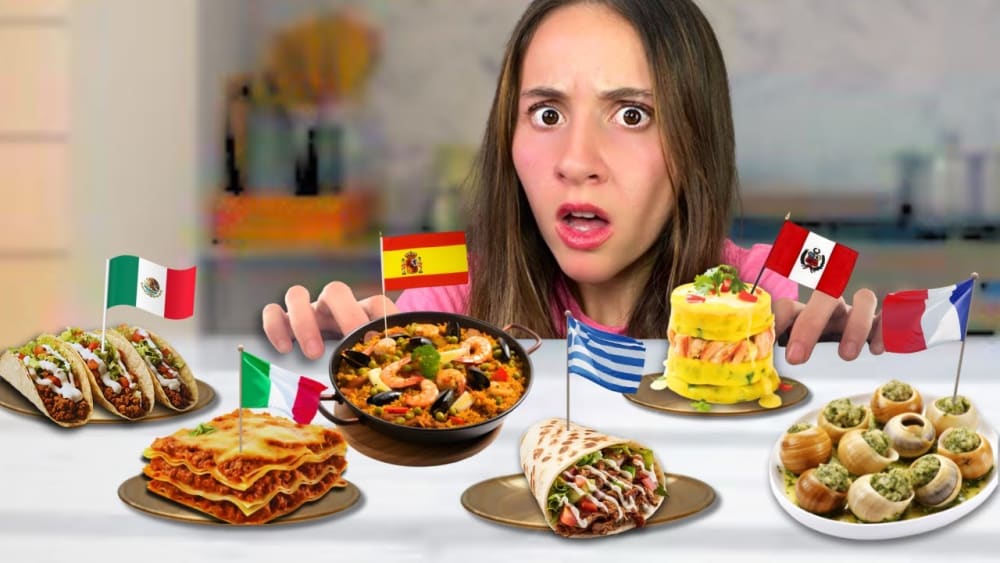
The question “What is the best food in the world?” has sparked debates at dinner tables, food festivals, travel blogs, and culinary schools for generations. Unlike questions with clear answers, this one is deeply subjective, shaped by culture, memory, geography, climate, religion, and personal taste. What feels like the greatest dish on Earth to one person may be unfamiliar or even unappealing to another.
Food is not just fuel. It is identity, comfort, art, and history served on a plate. From bustling street stalls to Michelin-starred restaurants, from family kitchens to ancient recipes passed down through generations, the idea of “best food” depends on how we define best. Is it flavor? Technique? Cultural significance? Health? Or emotional connection?
This in-depth guide explores the concept of the world’s best food from multiple angles—culinary traditions, iconic dishes, global rankings, ingredients, and human experience—so readers can form their own answer.
Understanding “Best”: A Subjective but Meaningful Question
Before naming cuisines or dishes, it’s important to understand why this question has no single, objective answer.
Taste Is Personal and Cultural
Taste preferences are shaped early in life. Spices, cooking methods, and ingredients that feel comforting in one culture may feel overwhelming or bland in another. A person raised on chili, garlic, and fermented flavors may crave intensity, while someone accustomed to subtle broths and light seasoning may value balance and restraint.
Memory and Emotion Shape Flavor
Science shows that memory and emotion strongly influence taste. A simple dish cooked by a loved one can feel far superior to an expensive restaurant meal. This emotional dimension makes food deeply personal and impossible to rank universally.
Context Matters
A bowl of noodles eaten late at night on a rainy street can taste better than the same dish served in a formal setting. Hunger, atmosphere, and companionship all affect how food is perceived.
How Experts and Rankings Try to Define the Best Food
Despite its subjectivity, many organizations attempt to rank the best food in the world using structured criteria.
Global Food Rankings
Websites and publications analyze factors such as:
- Depth of culinary tradition
- Variety of dishes
- Quality of ingredients
- Influence on global cuisine
- Popular opinion and reviews
One of the most frequently cited sources is TasteAtlas, which compiles user ratings, expert reviews, and traditional food data from around the world. While not definitive, such rankings offer insight into what many people collectively value.
Professional Culinary Perspectives
Chefs often judge food based on:
- Balance of flavors
- Technique and craftsmanship
- Ingredient quality
- Innovation within tradition
From this viewpoint, “best” food respects its roots while demonstrating mastery.
Cuisines Often Considered the Best in the World
Rather than naming a single dish, many argue that entire cuisines deserve recognition. Below are some of the most frequently praised culinary traditions.
Italian Cuisine: Simplicity Perfected
Italian food is globally beloved for its balance of simplicity and depth. Few ingredients are used, but each is treated with respect.
Why Italian Food Ranks So High
- Fresh, seasonal ingredients
- Time-tested regional recipes
- Perfect balance of fat, acid, and salt
Iconic Italian Dishes
- Pizza Napoletana
- Pasta Carbonara
- Risotto
Italian cuisine emphasizes comfort, tradition, and universal appeal, making it a strong contender for “best food in the world.”
Japanese Cuisine: Precision, Purity, and Balance
Japanese food reflects philosophy as much as flavor. Every detail, from knife cuts to plating, is intentional.
What Makes Japanese Food Exceptional
- Respect for natural flavors
- Seasonal awareness
- Visual harmony
Famous Japanese Foods
- Sushi
- Ramen
- Tempura
Japanese cuisine is often praised for being both refined and deeply satisfying.
Indian Cuisine: A Symphony of Spices
Indian food is one of the most diverse culinary traditions in the world, changing dramatically from region to region.
Why Indian Food Is Loved Globally
- Complex spice blends
- Vegetarian and meat-rich traditions
- Deep cultural and religious roots
Iconic Indian Dishes
- Biryani
- Butter Chicken
- Masala Dosa
Indian cuisine offers intensity, warmth, and endless variety, making it unforgettable for many.
Mexican Cuisine: Bold Flavors and Ancient Roots
Mexican food blends indigenous traditions with Spanish influence, creating one of the most flavorful cuisines on Earth.
What Sets Mexican Food Apart
- Corn, chili, beans, and cacao as staples
- Rich sauces like mole
- Strong street food culture
Famous Mexican Dishes
- Tacos
- Mole Poblano
- Tamales
Mexican cuisine is officially recognized by UNESCO for its cultural importance, reinforcing its global status.
Chinese Cuisine: Diversity on an Epic Scale
Chinese cuisine is not one cuisine but many, each with unique techniques and philosophies.
Strengths of Chinese Food
- Regional diversity
- Mastery of texture
- Balance of yin and yang
Popular Chinese Dishes
- Peking Duck
- Dim Sum
- Kung Pao Chicken
From fiery Sichuan dishes to delicate Cantonese cooking, Chinese food appeals to nearly every palate.
Street Food vs Fine Dining: Where Is the Best Food Found?
An important debate in global food culture is whether the best food is found in luxury restaurants or humble street stalls.
The Power of Street Food
Street food often represents the soul of a cuisine. It is affordable, authentic, and deeply connected to daily life.
Examples include:
- Night markets in Bangkok
- Taco stands across Mexico
- Hawker centers in Singapore
Fine Dining and Innovation
Fine dining showcases technique, creativity, and presentation. While expensive, it often pushes cuisine forward and preserves culinary artistry.
Both forms contribute to defining the “best” food experience.
Ingredients That Define the World’s Best Food
Certain ingredients appear repeatedly in the world’s most celebrated cuisines.
Universally Loved Ingredients
- Olive oil
- Rice
- Garlic
- Chili peppers
- Fresh herbs
The way these ingredients are treated—rather than their cost—often determines greatness.
Is the Best Food in the World Healthy?
Health is increasingly part of the conversation.
Balance Over Extremes
Many top cuisines emphasize balance rather than restriction:
- Japanese meals focus on moderation
- Mediterranean diets emphasize healthy fats
- Indian cooking uses spices with medicinal properties
Food that nourishes both body and soul is often considered the best in the long term.
The Emotional Definition of the Best Food
For many people, the best food in the world is not famous or highly ranked.
It might be:
- A mother’s home-cooked meal
- A childhood dish eaten during festivals
- Comfort food during difficult times
This emotional connection is something no ranking system can measure.
So, What Is the Best Food in the World?
The honest answer is: there is no single best food in the world.
Instead:
- The best food reflects culture and history
- The best food brings people together
- The best food creates memory and meaning
Italian, Japanese, Indian, Mexican, and Chinese cuisines consistently rise to the top of global discussions, but the true “best” food is the one that resonates most deeply with you.
Final Thoughts: Let Curiosity Decide
Rather than searching for one definitive answer, the better approach is exploration. Travel when possible. Try new cuisines. Eat with locals. Learn the stories behind dishes.
In doing so, you may discover that the best food in the world is not a single dish or cuisine—but the shared human experience of eating, cooking, and celebrating life together.