
Food safety is one of the most critical aspects of cooking, catering, and food service. Whether you are preparing meals at home, running a restaurant, or managing a large-scale catering operation, understanding how long food can safely remain in the temperature danger zone is essential for preventing foodborne illnesses.
Improper temperature control is one of the leading causes of food poisoning worldwide. Harmful bacteria grow rapidly when food is left at unsafe temperatures, and once those bacteria multiply, they can cause serious illness.
In this comprehensive guide, you will learn:
- What the temperature danger zone is
- The maximum time food can safely remain in it
- The science behind bacterial growth
- Safe handling practices
- Industry guidelines and best practices
- How to reduce food safety risks
Let’s explore this topic in detail.
What Is the Temperature Danger Zone?
The temperature danger zone refers to the range of temperatures in which bacteria grow most rapidly in food.
According to food safety authorities such as the U.S. Department of Agriculture and the Food and Drug Administration, the temperature danger zone is:
40°F to 140°F (4°C to 60°C)
When food is kept within this range, harmful bacteria can multiply quickly, sometimes doubling in number in as little as 20 minutes.
This is why food safety guidelines emphasize keeping:
- Cold foods at 40°F (4°C) or below
- Hot foods at 140°F (60°C) or above
Any time food sits between these temperatures, it enters the danger zone.
What Is the Maximum Time Food Can Remain in the Danger Zone?
The 2-Hour Rule
The general rule followed in food safety is:
Perishable food should not remain in the temperature danger zone for more than 2 hours.
If the ambient temperature is above 90°F (32°C), such as during outdoor events, the time limit is reduced to:
1 hour
After this time period, the food should be discarded.
This guideline applies to:
- Cooked meats
- Poultry
- Seafood
- Dairy products
- Cooked rice and pasta
- Cut fruits and vegetables
- Prepared leftovers
Once food exceeds the safe time limit in the danger zone, the risk of bacterial growth becomes too high to ignore.
Why Is 2 Hours the Limit?
To understand the reasoning behind the 2-hour rule, it’s important to examine how bacteria grow.
Rapid Bacterial Growth
Bacteria thrive in warm, moist, protein-rich environments. Many disease-causing bacteria multiply rapidly between 70°F and 125°F (21°C to 52°C), which sits squarely within the danger zone.
Common foodborne bacteria include:
- Salmonella
- Escherichia coli
- Listeria monocytogenes
- Staphylococcus aureus
Under ideal conditions, these bacteria can double in number every 20 minutes.
That means in 2 hours, bacteria can multiply to dangerous levels capable of causing illness.
Exponential Growth Explained
Here’s how quickly bacteria can multiply:
- 0 minutes: 1,000 bacteria
- 20 minutes: 2,000
- 40 minutes: 4,000
- 60 minutes: 8,000
- 80 minutes: 16,000
- 100 minutes: 32,000
- 120 minutes: 64,000
And this continues exponentially.
Even if the food looks and smells fine, it may contain dangerous bacterial levels.
What Happens If Food Stays in the Danger Zone Too Long?
If food remains in the danger zone beyond the safe limit:
- Bacteria multiply rapidly
- Some bacteria produce toxins
- Reheating may not destroy all toxins
- Risk of foodborne illness increases significantly
Certain bacteria, such as Staphylococcus aureus, can produce heat-stable toxins. That means even reheating food to safe temperatures may not make it safe to eat.
This is why “reheating” food that sat out too long does not guarantee safety.
The 4-Hour Rule in Food Service
In professional food service environments, there is sometimes a reference to a 4-hour cumulative rule.
Under strict food safety systems (like HACCP plans), food may be allowed to remain in the danger zone for a maximum of 4 cumulative hours, after which it must be discarded.
Important details:
- The 4 hours are cumulative, not continuous
- Once 4 hours are reached, food must be thrown away
- Food cannot be returned to refrigeration after exceeding this limit
However, this approach is tightly monitored and usually applies to regulated commercial settings—not home kitchens.
For home use, the 2-hour rule is the safest standard.
Special Considerations for Hot Weather
When the surrounding temperature rises above 90°F (32°C), bacterial growth accelerates even more.
This includes:
- Outdoor picnics
- Barbecues
- Catering events
- Buffet tables
In these conditions, perishable food should not remain out for more than 1 hour.
After that, it should be discarded.
This shorter timeframe is critical for preventing outbreaks during summer gatherings.
Which Foods Are Most at Risk?
Some foods are more susceptible to bacterial growth than others.
High-Risk Foods
- Meat (beef, poultry, pork)
- Seafood
- Eggs
- Dairy products
- Cooked rice
- Cooked pasta
- Gravies and sauces
- Deli meats
- Soft cheeses
These foods contain moisture and nutrients that bacteria need to multiply.
Lower-Risk Foods
Some foods are less risky because bacteria struggle to grow in them:
- Dry foods (crackers, dry cereals)
- Highly acidic foods (pickles, vinegar-based items)
- Foods with low moisture content
- Shelf-stable canned goods (until opened)
Still, once opened or prepared, many foods can enter the danger zone.
How to Keep Food Out of the Danger Zone
Prevention is the most effective strategy.
1. Proper Refrigeration
Keep refrigerators at or below 40°F (4°C).
Keep freezers at 0°F (-18°C).
Use a refrigerator thermometer to monitor temperature.
2. Cook Food to Safe Internal Temperatures
Use a food thermometer to ensure proper cooking.
For example:
- Poultry: 165°F (74°C)
- Ground meat: 160°F (71°C)
- Whole cuts of beef and pork: 145°F (63°C)
These temperatures kill most harmful bacteria.
3. Hot Holding
Keep hot foods at 140°F (60°C) or above.
Buffets and catering trays should use warming equipment to maintain temperature.
4. Cold Holding
Keep cold foods chilled at 40°F (4°C) or below.
Use ice trays or refrigeration units for outdoor events.
5. Rapid Cooling
When storing leftovers:
- Divide large portions into shallow containers
- Refrigerate within 2 hours (1 hour in hot weather)
- Allow air circulation around containers
Large pots of soup or rice cool slowly and can remain in the danger zone too long if not divided properly.
What About Leftovers?
Leftovers must be:
- Refrigerated within 2 hours
- Stored in airtight containers
- Consumed within 3 to 4 days
When reheating leftovers:
- Heat to at least 165°F (74°C)
- Ensure even heating
Never taste food to determine if it’s safe.
If in doubt, throw it out.
Symptoms of Foodborne Illness
Consuming food that stayed too long in the danger zone can cause:
- Nausea
- Vomiting
- Diarrhea
- Abdominal cramps
- Fever
In severe cases, dehydration and hospitalization may occur.
Vulnerable groups include:
- Young children
- Pregnant women
- Elderly individuals
- People with weakened immune systems
For these individuals, strict adherence to time and temperature guidelines is especially important.
Common Food Safety Myths
Myth 1: “It Smells Fine, So It’s Safe”
False. Many harmful bacteria do not change the smell, taste, or appearance of food.
Myth 2: “Reheating Kills Everything”
False. Some toxins remain even after reheating.
Myth 3: “It Was Only Out for a Few Minutes Longer”
Food safety is about risk management. Even small extensions beyond the 2-hour rule increase risk.
Temperature Control in Commercial Kitchens
Professional kitchens follow strict food safety systems such as:
- HACCP (Hazard Analysis and Critical Control Points)
- Routine temperature logging
- Timed holding procedures
- Employee food safety training
Regulatory agencies such as the Centers for Disease Control and Prevention emphasize time and temperature control as a primary method for preventing foodborne outbreaks.
Failure to follow these guidelines can result in:
- Foodborne illness outbreaks
- Legal penalties
- Business closure
- Loss of reputation
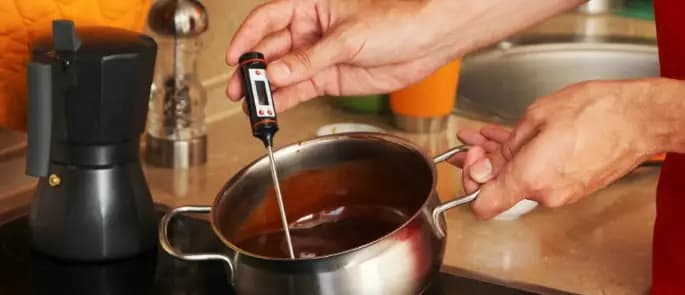
How to Measure Food Temperature Correctly
To accurately monitor food safety:
- Use a calibrated food thermometer
- Insert it into the thickest part of the food
- Avoid touching bone or container surfaces
- Clean and sanitize between uses
Thermometers are inexpensive but invaluable tools for preventing illness.
The Bottom Line
So, what is the maximum time food can remain in the temperature danger zone?
The general answer is:
No more than 2 hours
No more than 1 hour if temperatures exceed 90°F (32°C)
In professional settings under controlled conditions, food may remain in the danger zone for up to 4 cumulative hours, but it must then be discarded.
Time and temperature control are the cornerstones of food safety. Harmful bacteria grow rapidly between 40°F and 140°F, and once food exceeds safe time limits, the risk becomes unacceptable.
When handling food, remember:
- Keep hot foods hot
- Keep cold foods cold
- Refrigerate promptly
- Use thermometers
- Discard questionable food
Food safety is not about guessing—it is about managing risk. Following the 2-hour rule can prevent illness, protect your family, and ensure that every meal you serve is both delicious and safe.
When in doubt, throw it out.