
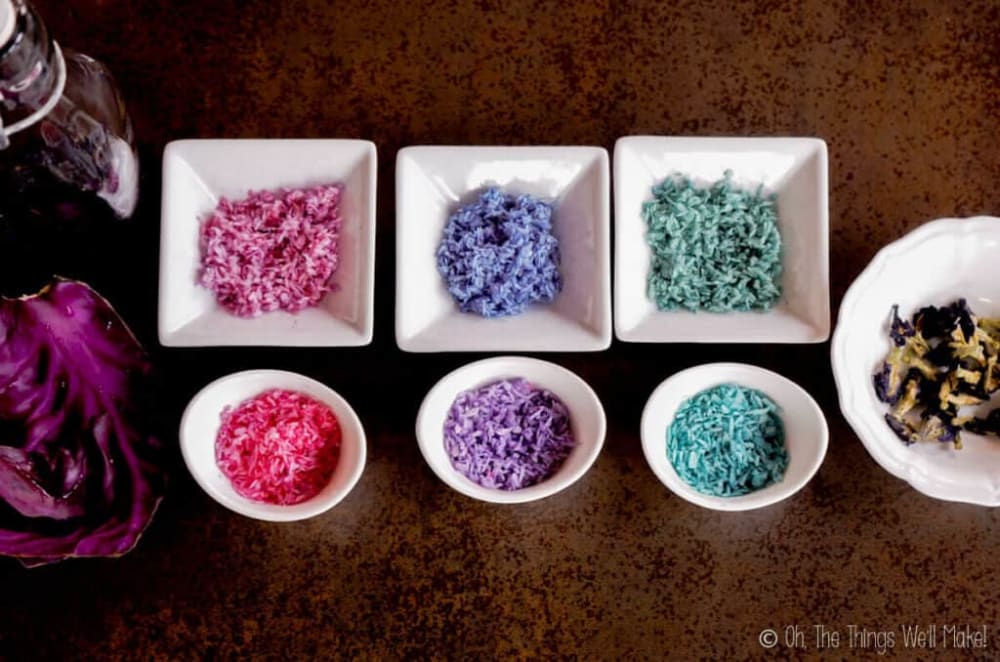
Purple is one of the most striking and versatile colors in the culinary world. From lavender buttercream and violet macarons to deep plum frostings and galaxy-themed cakes, purple adds elegance, creativity, and drama to food presentation. Whether you're baking for a birthday, decorating holiday treats, or experimenting with natural dyes, learning how to make purple food coloring gives you more control over tone, intensity, and ingredients.
In this in-depth guide, you’ll discover how to make purple food coloring using both artificial and natural methods. You’ll also learn how to adjust shades, avoid common mistakes, and choose the best technique for your specific recipe.
Understanding the Basics of Purple Food Coloring
Before diving into recipes, it helps to understand how purple is created. Purple is a secondary color formed by mixing red and blue. However, not all reds and blues produce the same shade. The type of red and blue you use will significantly affect whether your final purple is bright, muted, warm, cool, lavender, or deep eggplant.
There are two primary ways to create purple food coloring:
- Mixing red and blue artificial food dyes
- Extracting purple pigment from natural ingredients
Each method has advantages depending on your goals, dietary preferences, and the food you’re coloring.
How to Make Purple Food Coloring Using Artificial Dyes
Artificial food coloring is the simplest and most predictable way to achieve purple. It works well for cakes, frostings, candies, and beverages.
What You’ll Need
- Red liquid, gel, or paste food coloring
- Blue liquid, gel, or paste food coloring
- A small mixing bowl
- Toothpicks or droppers for precise measurement
Step-by-Step Instructions
- Start with a clean mixing bowl.
- Add a small amount of red food coloring.
- Slowly add blue food coloring in small increments.
- Mix thoroughly after each addition.
- Adjust until you reach your desired shade.
Basic Mixing Ratio
A general starting ratio is:
- 2 parts red
- 1 part blue
This produces a balanced purple. From there:
- Add more blue for a cooler, deeper purple.
- Add more red for a warmer, reddish purple.
Liquid vs. Gel vs. Paste Coloring
- Liquid food coloring is easy to find but less concentrated. You may need more drops, which can slightly thin batters or frostings.
- Gel food coloring is highly concentrated and ideal for baking. It provides bold color without altering texture.
- Paste food coloring offers intense pigmentation and works best for fondant and buttercream.
For professional-looking results, gel or paste coloring is usually the best choice.
How to Adjust Different Shades of Purple
Once you’ve made basic purple, you can easily customize it.
Lavender
To create a soft lavender:
- Make a light purple first.
- Add a small amount of white frosting or batter to dilute.
- Alternatively, mix 1 part red + 1 part blue and then lighten with white.
Lavender is perfect for spring-themed desserts and floral cake designs.
Deep Plum or Eggplant
For a darker, richer purple:
- Start with equal parts red and blue.
- Add a tiny drop of black food coloring.
- Mix thoroughly.
Be cautious with black coloring — a little goes a long way.
Violet
To achieve a more vibrant violet:
- Use a cool-toned red (like cherry red).
- Mix with a strong royal blue.
- Keep the ratio slightly heavier on blue.
Violet works beautifully for galaxy cakes and bold party themes.
How to Make Natural Purple Food Coloring
If you prefer to avoid artificial dyes, you can create purple food coloring from natural ingredients. Natural coloring is ideal for health-conscious baking and plant-based recipes.
Keep in mind that natural dyes may produce softer, less vibrant shades and can slightly alter flavor.
Using Red Cabbage
Red cabbage is one of the most effective natural sources of purple dye.
Ingredients
- 1 cup chopped red cabbage
- 2 cups water
Instructions
- Chop the cabbage into small pieces.
- Add to a saucepan with water.
- Bring to a boil.
- Simmer for 15–20 minutes.
- Strain the liquid into a bowl.
- Allow it to cool.
The resulting liquid will be purple-blue. To deepen the purple:
- Add a few drops of lemon juice to shift the color slightly.
This liquid works well in frostings, rice dishes, and beverages.
Using Blueberries
Blueberries produce a natural purple hue, especially in frostings and glazes.
Instructions
- Blend fresh or frozen blueberries.
- Strain through cheesecloth or a fine sieve.
- Simmer the juice to concentrate the color.
- Cool before use.
Blueberry coloring is excellent for icings and desserts but may add mild fruity flavor.
Using Beets and Blue Spirulina
Beets alone produce red, not purple. However, when combined with blue spirulina powder, you can achieve purple tones.
- Make beet juice by blending and straining cooked beets.
- Add a small amount of blue spirulina powder.
- Mix until purple forms.
This method works well for smoothies and frostings.
Using Purple Sweet Potatoes
Purple sweet potatoes naturally provide a rich violet shade.
- Steam or boil purple sweet potatoes.
- Mash until smooth.
- Use puree in baked goods or frostings.
This method adds natural sweetness and moisture.
Choosing the Right Method for Your Recipe
Different foods require different coloring approaches.
For Buttercream and Frosting
- Gel or paste coloring is ideal.
- Natural cabbage reduction works if flavor impact is minimal.
- Concentrated blueberry reduction can be effective.
For Cake Batter
- Gel coloring works best to avoid thinning.
- Powdered natural dyes are better than liquid reductions.
For Drinks and Cocktails
- Liquid natural dyes work well.
- Artificial liquid coloring blends easily.
For Fondant
- Use gel or paste coloring.
- Knead thoroughly to distribute evenly.
Common Mistakes to Avoid
Making purple food coloring is simple, but a few mistakes can lead to muddy or dull results.
Using the Wrong Red
Some red dyes contain yellow undertones. When mixed with blue, they create brownish or muddy purple. Choose cool-toned reds instead.
Adding Too Much Blue Too Fast
Blue is strong and can overpower red quickly. Always add blue in tiny amounts.
Not Mixing Thoroughly
Streaks of red or blue will prevent an even purple shade. Mix completely before adjusting.
Overusing Natural Liquid Dyes
Adding too much liquid can thin frostings or batters. Reduce natural dyes to concentrate the color.
How to Make Purple Powdered Food Coloring
If you want a longer shelf life, powdered coloring is ideal.
Method Using Freeze-Dried Ingredients
- Use freeze-dried blueberries or purple sweet potatoes.
- Grind into fine powder using a food processor.
- Sift to remove large particles.
- Store in an airtight container.
Powdered coloring is excellent for macarons, dry mixes, and chocolate.
Storing Homemade Purple Food Coloring
Storage depends on the method.
Artificial Mixed Color
- Store in a sealed container.
- Keep at room temperature.
- Use within several weeks.
Natural Liquid Dye
- Refrigerate immediately.
- Store in airtight glass container.
- Use within 3–5 days.
Powdered Natural Dye
- Store in airtight jar.
- Keep in cool, dry place.
- Lasts several months.
Always label with date and ingredients.
How to Fix Purple That Looks Brown or Gray
Sometimes purple doesn’t turn out as expected. Here’s how to fix it:
- If it looks brown, add more blue.
- If it looks gray, add more red.
- If it’s too dark, add white base (frosting or batter).
- If it’s too light, increase pigment gradually.
Small adjustments make a big difference.
Tips for Achieving Vibrant Purple
If you want bold, vibrant purple:
- Use gel or paste coloring instead of liquid.
- Let the color develop for 30 minutes before adjusting.
- Add a tiny drop of pink to brighten.
- Avoid overmixing batter, which can dull color.
Color deepens over time, especially in buttercream.
Creative Uses for Purple Food Coloring
Purple food coloring opens up endless creative possibilities.
- Galaxy cakes and cupcakes
- Unicorn-themed desserts
- Lavender macarons
- Purple pancakes
- Themed birthday cakes
- Halloween treats
- Royal icing decorations
- Purple rice or noodles
- Smoothie bowls
Purple also pairs beautifully with gold accents and white frosting for elegant designs.
Natural vs Artificial: Which Is Better?
Both methods have advantages.
Artificial Coloring
Pros:
- Vibrant
- Consistent
- Easy to use
- Long shelf life
Cons:
- Contains synthetic ingredients
Natural Coloring
Pros:
- Plant-based
- No synthetic dyes
- Subtle earthy tones
Cons:
- Less vibrant
- May affect taste
- Shorter shelf life
Choose based on your recipe goals and dietary preferences.
Frequently Asked Questions
Can I make purple with food coloring without blue?
No. Purple requires both red and blue. Without blue, you’ll only achieve shades of red or pink.
Why does my purple turn blue in baking?
Some natural dyes react to pH changes in batter. Acidic ingredients can shift the shade. Adjust with small amounts of lemon juice or baking soda carefully.
How do I make pastel purple?
Start with a very light purple mixture and blend into white frosting until you reach the desired pastel tone.
Can I use purple gel directly without mixing?
Yes, pre-made purple gel food coloring is available, but mixing your own gives more shade control.
Final Thoughts
Learning how to make purple food coloring is both simple and rewarding. Whether you choose artificial dyes for bold, dramatic desserts or natural ingredients for a wholesome approach, mastering purple allows you to elevate your baking and cooking presentation.
Start with small amounts, adjust gradually, and experiment with shade variations. With a little practice, you’ll be able to create everything from delicate lavender hues to rich royal purples that make your dishes truly stand out.
The key is patience, proper ratios, and understanding how color behaves in different recipes. Once you grasp the basics, purple becomes one of the most exciting colors to work with in the kitchen.