
Food is one of the most powerful expressions of culture, history, geography, and identity. From fragrant street food stalls in Southeast Asia to refined multi-course tasting menus in Europe, cuisine reflects centuries of tradition, migration, trade, innovation, and passion. The question “What country has the best food in the world?” may seem simple, but the answer is anything but.
There is no universally correct answer. Taste is subjective, and preferences vary depending on culture, upbringing, exposure, and personal palate. However, certain countries consistently rank at the top in global food discussions, culinary awards, travel rankings, and international popularity.
In this in-depth guide, we will explore what defines “the best food,” examine leading culinary nations, and highlight what makes each of them exceptional. By the end, you may not have one definitive answer — but you will have a deeper appreciation for the incredible diversity of global cuisine.
What Makes a Country’s Food the “Best”?
Before comparing countries, it’s important to understand the criteria people often use when judging cuisine.
Flavor and Balance
Great food is defined by harmony. The best cuisines master the balance of sweet, salty, sour, bitter, and umami flavors.
Variety and Diversity
Countries with regional culinary diversity often stand out. A nation offering vastly different dishes from one region to another showcases depth and creativity.
Cultural Influence and Global Impact
Some cuisines have influenced the entire world. When dishes become internationally beloved, it reflects their broad appeal.
Ingredients and Freshness
Climate and geography affect food quality. Nations with access to fresh seafood, seasonal produce, and high-quality meats often have a culinary advantage.
Technique and Culinary Tradition
Centuries-old techniques, refined cooking methods, and structured culinary education systems contribute to excellence.
With these criteria in mind, let’s explore the countries most often considered to have the best food in the world.
Italy: Simplicity Perfected
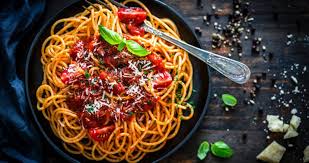
When discussing global culinary excellence, Italy is almost always at the top of the list. Italian cuisine is beloved worldwide for its simplicity, high-quality ingredients, and comforting flavors.
Why Italy Is Considered One of the Best
Italian cooking is rooted in regional diversity. Northern Italy favors creamy risottos and butter-based dishes, while Southern Italy features olive oil, tomatoes, and seafood. Every region has its own identity.
Classic dishes such as pizza, pasta, risotto, and gelato have become international staples. Traditional Neapolitan pizza from Naples, pasta carbonara from Rome, and ragù alla Bolognese from Bologna reflect deep regional pride.
Italian cuisine emphasizes fresh, seasonal ingredients — ripe tomatoes, fragrant basil, aged Parmigiano-Reggiano, and high-quality olive oil.
Global Influence
Italian food may be the most globally recognized cuisine. Pizzerias and pasta dishes exist in nearly every country, making Italy one of the most influential culinary nations in history.
France: The Foundation of Fine Dining
France is often considered the birthplace of modern gastronomy and fine dining. French culinary techniques form the backbone of professional kitchens worldwide.
Culinary Prestige
French cuisine is known for precision, sauces, pastries, and meticulous technique. Dishes like coq au vin, bouillabaisse, and beef bourguignon showcase layered flavors and refined preparation.
French pastry arts — croissants, éclairs, macarons — are globally admired for technical excellence.
Culinary Institutions and Recognition
France has shaped the fine dining world through culinary schools and chefs who trained generations of professionals. The Michelin Guide, one of the most prestigious restaurant rating systems, originated in France.
Regional Diversity
From the buttery dishes of Normandy to the Mediterranean flavors of Provence, French cuisine offers enormous regional variation.
Japan: Precision, Purity, and Presentation
Japan consistently ranks among the countries with the best food in the world. Japanese cuisine emphasizes seasonal ingredients, minimalism, and aesthetic presentation.
Respect for Ingredients
Japanese chefs aim to preserve the natural flavor of ingredients. Sushi, sashimi, and tempura highlight freshness and precision rather than heavy seasoning.
Dishes like ramen, udon, and miso soup demonstrate how simplicity can be deeply satisfying.
Culinary Recognition
Japan has one of the highest numbers of Michelin-starred restaurants in the world, particularly in Tokyo.
Cultural Philosophy
Japanese cuisine reflects concepts like balance, harmony, and respect for nature. Meals are designed not only to taste good but to look beautiful and align with the seasons.
Thailand: A Symphony of Flavors
Thai cuisine is famous for its bold, vibrant flavors and masterful balance of sweet, sour, salty, and spicy elements.
Flavor Complexity
Dishes such as pad Thai, green curry, and tom yum soup are globally beloved for their intensity and layered taste profiles.
Fresh herbs like lemongrass, Thai basil, and galangal create distinctive aromatic depth.
Street Food Culture
Thailand is often praised for its street food scene, where high-quality meals are affordable and accessible.
Balance and Contrast
Thai cooking achieves harmony between contrasting flavors, making every bite dynamic and exciting.
Mexico: Tradition Meets Boldness
Mexican cuisine combines indigenous traditions with Spanish influences, creating a deeply rooted culinary identity.
UNESCO Recognition
Traditional Mexican cuisine has been recognized by UNESCO as part of the Intangible Cultural Heritage of Humanity.
Core Ingredients
Corn, beans, chili peppers, and tomatoes form the foundation of countless dishes. Tacos, enchiladas, mole, and tamales showcase both simplicity and complexity.
Regional Variety
Mexican cuisine varies dramatically by region — from seafood dishes along the coast to slow-cooked meats in central regions.
India: A Universe of Spices
Indian cuisine is one of the most diverse and complex culinary traditions in the world.
Regional Diversity
India’s vast geography produces dramatically different cuisines. North Indian dishes often feature creamy curries and breads like naan, while South Indian cuisine highlights rice, coconut, and lentils.
Spice Mastery
Indian cooking is defined by intricate spice blends. Garam masala, turmeric, cumin, coriander, and cardamom create layered depth.
Vegetarian Excellence
India offers one of the richest vegetarian culinary traditions globally, proving that plant-based cooking can be deeply satisfying and varied.
Spain: Innovation and Tradition Combined
Spain blends rustic traditions with avant-garde culinary innovation.
Tapas Culture
Small plates encourage communal dining and variety. Dishes such as patatas bravas, jamón ibérico, and tortilla española are staples.
Culinary Innovation
Spain gained international attention for molecular gastronomy and experimental techniques, led by influential chefs.
Regional Strength
From seafood-rich Galician cuisine to rice-based paella from Valencia, Spain offers distinct regional styles.
China: Culinary Diversity on a Massive Scale
China’s food culture is one of the oldest and most diverse in the world.
Eight Culinary Traditions
Chinese cuisine includes multiple regional styles, such as Sichuan (spicy), Cantonese (fresh and delicate), and Shandong (seafood-focused).
Balance and Symbolism
Meals emphasize balance — both in flavor and in traditional concepts like yin and yang.
Global Reach
Chinese restaurants are found across the globe, and dishes like dumplings and fried rice have become international staples.
Greece: Mediterranean Simplicity
Greek cuisine focuses on fresh vegetables, olive oil, seafood, and grilled meats.
Healthy and Flavorful
The Mediterranean diet, often associated with Greece, is widely regarded as one of the healthiest eating patterns.
Signature Dishes
Moussaka, souvlaki, tzatziki, and fresh salads showcase simple yet satisfying flavors.
Turkey: A Crossroads of Flavor
Turkey’s cuisine reflects influences from Central Asia, the Middle East, and the Mediterranean.
Rich Heritage
Dishes such as kebabs, mezes, and baklava represent centuries of cultural exchange.
Regional Strength
Coastal regions emphasize seafood and olive oil, while inland areas focus on meats and grains.
The Role of Personal Preference
Ultimately, deciding which country has the best food depends on personal taste. Some people prefer the comforting simplicity of Italian pasta, while others crave the intense spice of Thai curries or the refined elegance of French cuisine.
Travel, exposure, and cultural background shape preferences. Someone raised on spicy food may find milder cuisines less exciting, while others prefer subtlety and restraint.
Globalization and Fusion Cuisine
Today, global travel and migration have blurred culinary boundaries. Fusion cuisine combines techniques and ingredients from different cultures, creating entirely new experiences.
You can now find sushi burritos, Korean tacos, and Italian-inspired ramen. The world’s best food may no longer belong to a single country but exist in the intersections between them.
Culinary Rankings and Awards
International rankings often attempt to name the “best cuisine,” but results vary each year. Awards consider restaurant quality, chef innovation, and popularity rather than traditional home cooking.
Such rankings provide insight but cannot capture the full emotional and cultural experience of food.
So, What Country Truly Has the Best Food?
There is no single winner. Instead, there are culinary powerhouses, each excelling in different ways:
- Italy for global comfort and simplicity
- France for technique and fine dining
- Japan for precision and elegance
- Thailand for bold flavor balance
- Mexico for cultural depth and vibrancy
- India for spice complexity
- Spain for innovation
- China for scale and diversity
- Greece for healthy Mediterranean appeal
- Turkey for historical richness
The “best” country depends entirely on what you value in food — flavor intensity, technique, tradition, innovation, healthfulness, or comfort.
The Real Answer: The Best Food Is the One That Moves You
Food is emotional. It connects us to memories, family, and culture. The best food in the world may not come from the most awarded restaurant or the most famous culinary capital. It might come from a grandmother’s kitchen, a street vendor, or a small neighborhood café.
Rather than asking which country has the best food, a better question might be: which cuisine speaks most deeply to you?
The beauty of the world’s food lies in its diversity. Instead of choosing one winner, the true joy is exploring them all.
In the end, the best country for food is the one that satisfies your curiosity, excites your taste buds, and leaves you wanting another bite.