
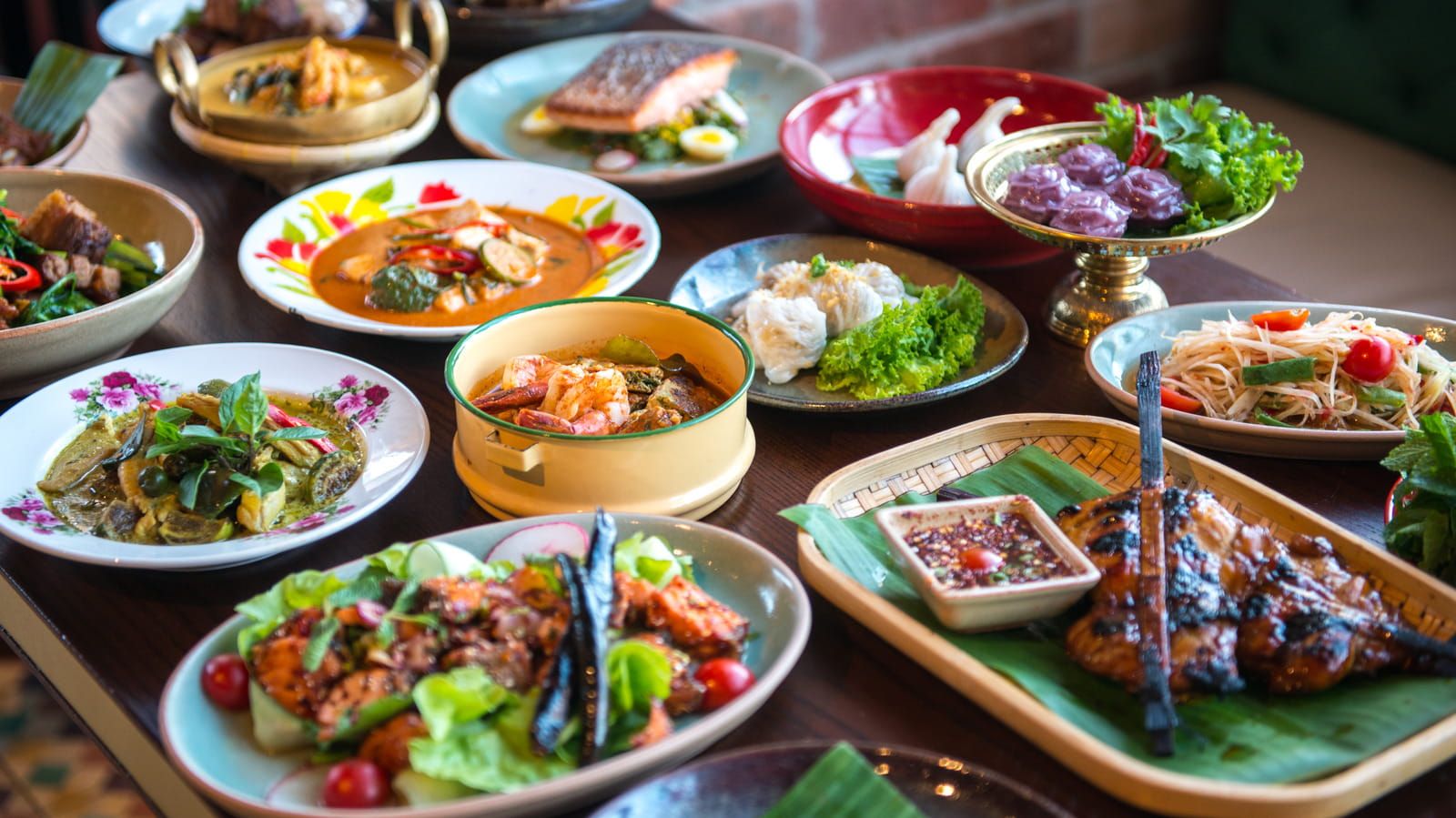
Thai food is the traditional cuisine of Thailand, a country located in Southeast Asia that is known for its rich cultural heritage, vibrant street life, and deep respect for balance and harmony. Thai cuisine reflects the country’s geography, history, climate, and social traditions. It is celebrated around the world for its bold flavors, aromatic herbs, colorful presentation, and a unique balance of taste elements that make each dish complex yet comforting.
Thai food is not just about eating. It is about experience, freshness, and balance. Meals are often shared, dishes are designed to complement one another, and flavors are carefully layered rather than overwhelming. To understand Thai food fully, it is important to explore its philosophy, ingredients, regional variations, cooking methods, and cultural significance.
The Philosophy Behind Thai Food
At the heart of Thai food is balance. Traditional Thai cooking aims to harmonize five core taste sensations: sweet, sour, salty, bitter, and spicy. Unlike cuisines that may focus on a single dominant flavor, Thai dishes often bring several tastes together in one plate.
For example, a single dish might combine the sweetness of palm sugar, the sourness of lime juice, the saltiness of fish sauce, the heat of chili, and a subtle bitterness from herbs or vegetables. The goal is not to make one flavor overpower the others, but to create a rounded and satisfying experience.
Thai food also emphasizes freshness. Many dishes are cooked quickly, and herbs are often added at the end to preserve their aroma and taste. Meals are meant to be enjoyed immediately, reflecting a philosophy that values the present moment and the natural quality of ingredients.
Historical Influences on Thai Cuisine
Thai food has been shaped by centuries of trade, migration, and cultural exchange. While it has a strong identity of its own, it has also absorbed influences from neighboring regions and distant cultures.
Early Thai cooking was based largely on rice, fish, herbs, and vegetables. Over time, interactions with China introduced techniques such as stir frying and noodle making. Indian traders brought spices and curries, which were adapted using local ingredients like coconut milk instead of dairy. Portuguese contact in the sixteenth century introduced chilies, which are now a defining feature of Thai cuisine.
Despite these influences, Thai food did not simply copy foreign recipes. Instead, it transformed them, creating dishes that suit the Thai climate, palate, and way of life. This adaptability is one reason Thai food remains dynamic and relevant today.
Essential Ingredients in Thai Food
Thai cuisine relies on a core set of ingredients that give it its distinctive character. These ingredients are used repeatedly across different dishes, but in varying combinations and proportions.
Rice is the foundation of most Thai meals. Jasmine rice is common in central Thailand, while sticky rice is more popular in the north and northeast. Rice is not just a side dish; it is central to Thai identity and daily life.
Fish sauce is another key element. Made from fermented fish, it provides deep saltiness and umami flavor. It is often used instead of salt and plays a crucial role in balancing other tastes.
Chilies are used fresh, dried, or as pastes. Their heat level can vary greatly depending on the dish and the region. Thai food is known for being spicy, but the spice is usually balanced by other flavors.
Herbs such as lemongrass, galangal, kaffir lime leaves, Thai basil, and cilantro add fragrance and complexity. These herbs are rarely substituted because each has a unique aroma that defines specific dishes.
Coconut milk is widely used in curries and soups, adding richness and a gentle sweetness that softens spicy flavors.
Common Cooking Techniques in Thai Cuisine
Thai food uses a range of cooking methods, each chosen to enhance specific ingredients and flavors.
Stir frying is one of the most common techniques. It allows food to cook quickly over high heat, preserving texture and freshness. Dishes like pad Thai and pad kra pao are classic examples.
Boiling and simmering are used for soups such as tom yum and tom kha. These methods allow herbs and spices to infuse the broth gradually, creating layered flavors.
Grilling is popular for meats, seafood, and vegetables. Grilled dishes often have a smoky flavor and are served with spicy dipping sauces.
Steaming is used for delicate foods like fish and desserts. It preserves natural flavors and is considered a lighter cooking method.
Pounding ingredients with a mortar and pestle is a traditional technique used to make curry pastes and salads. This method releases essential oils from herbs and spices, creating a deeper flavor than blending alone.
Regional Variations of Thai Food
Thai cuisine varies significantly by region, influenced by geography, climate, and local traditions. Understanding these regional styles helps explain the diversity within Thai food.
Central Thai Cuisine
Central Thailand, including Bangkok, is often considered the heart of Thai cuisine. Dishes from this region are well balanced and refined, often featuring a mix of sweet, sour, salty, and spicy flavors.
Popular central Thai dishes include green curry, red curry, pad Thai, and tom yum soup. Coconut milk is commonly used, and presentation is often given special attention.
Northern Thai Cuisine
Northern Thai food is milder and less spicy than other regions. Sticky rice is the staple, and dishes often feature herbs, vegetables, and pork.
Curries in the north are usually thicker and less spicy, such as khao soi, a coconut based curry noodle soup. Fermented ingredients are also common, adding depth without excessive heat.
Northeastern Thai Cuisine
The northeastern region, also known as Isan, has a bold and rustic style of cooking. Flavors are strong, and dishes often emphasize sour and spicy elements.
Sticky rice is central to meals, and salads like som tam, made from green papaya, are extremely popular. Fermented fish products are frequently used, giving Isan food a distinctive taste.
Southern Thai Cuisine
Southern Thai food is known for its intensity. It is often very spicy and heavily seasoned, reflecting the region’s tropical climate and coastal location.
Seafood is abundant, and turmeric is commonly used, giving many dishes a yellow color. Coconut milk is present, but flavors are generally sharper and more robust than in central Thai cooking.
Popular Thai Dishes Around the World
Many Thai dishes have gained international recognition, becoming staples in Thai restaurants worldwide.
Pad Thai is a stir fried noodle dish made with rice noodles, eggs, tofu or shrimp, and a tangy sauce. It is often garnished with peanuts and lime.
Tom Yum is a hot and sour soup known for its bold aroma. It typically includes shrimp, lemongrass, lime leaves, and chilies.
Green curry is a creamy and spicy dish made with green curry paste, coconut milk, meat or vegetables, and Thai basil.
Som tam is a refreshing papaya salad that combines crunchy textures with sweet, sour, salty, and spicy flavors.
Massaman curry is a rich and mildly spiced curry influenced by Indian and Middle Eastern flavors. It often includes potatoes, peanuts, and tender meat.
Street Food Culture in Thailand
Street food is an essential part of Thai food culture. In cities and towns across Thailand, vendors set up stalls selling freshly cooked meals at all hours of the day.
Street food is valued for its convenience, affordability, and flavor. Many street food dishes are prepared with the same care and skill as restaurant meals. Vendors often specialize in one or two items, perfecting their recipes over years.
Eating street food is also a social experience. People gather, eat together, and enjoy the lively atmosphere. This culture has helped preserve traditional recipes and made Thai food accessible to everyone.
Thai Food and Social Traditions
In Thailand, meals are typically shared. Instead of each person ordering a separate dish, several dishes are placed in the center of the table and enjoyed together. This encourages variety and balance, as no single dish dominates the meal.
Rice is served first, and other dishes are eaten alongside it. Soup may be served throughout the meal rather than as a separate course. This approach reflects the Thai value of harmony and togetherness.
Food is also closely connected to festivals, religious ceremonies, and family gatherings. Certain dishes are associated with specific occasions, adding symbolic meaning to what is eaten.
Health Aspects of Thai Food
Thai food is often considered healthy due to its use of fresh ingredients, herbs, and vegetables. Many dishes are lightly cooked, preserving nutrients and natural flavors.
Herbs like lemongrass and galangal are believed to have digestive and anti inflammatory properties. Chilies can boost metabolism, while vegetables provide fiber and vitamins.
However, healthiness can vary depending on preparation. Some dishes are rich in coconut milk or sugar, and portion sizes matter. When balanced and enjoyed in moderation, Thai food can be both nourishing and satisfying.
Thai Food in the Modern World
Today, Thai food continues to evolve. Chefs in Thailand and abroad experiment with traditional recipes, combining them with modern techniques and global influences. This has led to the rise of contemporary Thai cuisine, which respects tradition while embracing creativity.
At the same time, there is a strong movement to preserve authentic Thai cooking. Efforts are being made to protect traditional recipes, promote local ingredients, and pass culinary knowledge to future generations.
Thai food’s global popularity has also made it a cultural ambassador for Thailand. Through food, people around the world gain insight into Thai values, history, and way of life.
Conclusion
Thai food is much more than a collection of popular dishes. It is a deeply rooted culinary tradition shaped by balance, freshness, and cultural exchange. From its harmonious flavors and essential ingredients to its regional diversity and social significance, Thai cuisine offers a rich and meaningful experience.
Understanding what Thai food is means appreciating its philosophy, its history, and the care that goes into every dish. Whether enjoyed at a street stall in Bangkok or a restaurant halfway across the world, Thai food continues to captivate people with its complexity, warmth, and unmistakable character.