
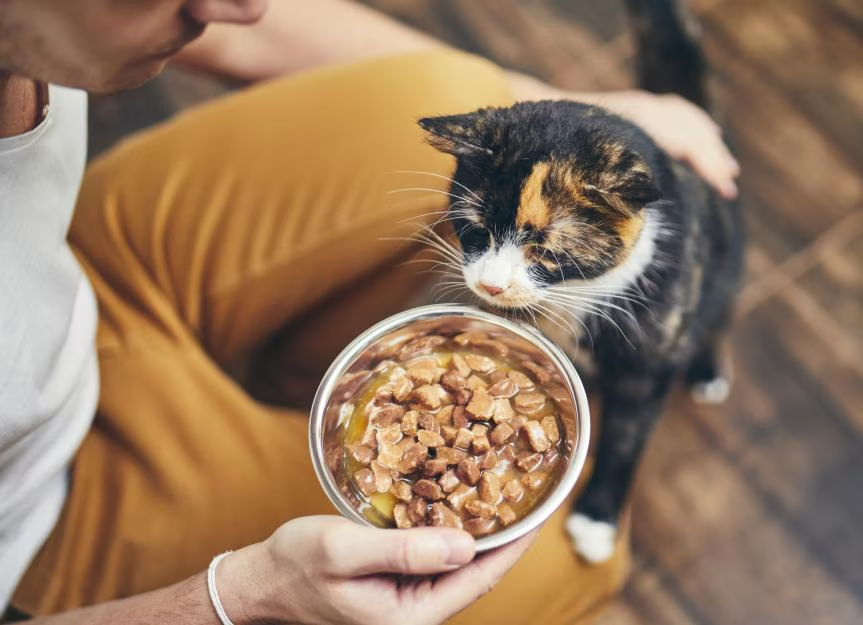
Feeding your cat the right amount of dry food is one of the most important parts of responsible pet ownership. Cats rely on their diet not only for energy but also for maintaining a healthy weight, strong muscles, proper digestion, and long term well being. Yet many cat owners are unsure how much dry food their cat truly needs. Feeding too little can lead to nutritional deficiencies, while feeding too much can cause obesity and related health problems.
This in depth guide explains how much dry food to feed a cat, what factors influence portion size, how to read feeding labels, and how to adjust meals based on age, weight, activity level, and health. By the end of this article, you will have a clear understanding of how to create a feeding routine that supports your cat’s health and lifestyle.
Why Portion Control Matters for Cats
Cats are natural grazers, but in a home environment, unrestricted access to dry food can easily lead to overeating. Unlike wild cats that hunt for each meal, domestic cats often have constant access to food with very little physical exertion.
Preventing Obesity
Feline obesity is one of the most common health issues among domestic cats. Overfeeding dry food, which is calorie dense, is a major contributor. Excess weight can lead to diabetes, joint problems, heart disease, and a shorter lifespan.
Supporting Overall Health
Feeding the right amount ensures your cat gets the nutrients they need without excess calories. Balanced portions support healthy digestion, proper energy levels, and a strong immune system.
Creating Healthy Habits
Consistent portion sizes help regulate appetite and reduce begging behaviors. Cats thrive on routine, and predictable meals can reduce stress and improve behavior.
Understanding Dry Cat Food
Before determining how much to feed, it is important to understand what dry cat food is and how it differs from other types of food.
What Is Dry Cat Food
Dry cat food, also known as kibble, is a concentrated source of calories and nutrients. It typically contains protein, fats, carbohydrates, vitamins, and minerals in a shelf stable form.
Because dry food has low moisture content, it is more calorie dense than wet food. This means cats usually need smaller portions by volume compared to wet food.
Benefits of Dry Food
Dry food offers several advantages:
- Convenient to store and serve
- Longer shelf life
- Often more affordable
- Helps reduce plaque buildup when combined with dental care
General Guidelines for Feeding Dry Food
There is no single amount that fits every cat, but general guidelines can help you estimate a starting point.
Average Adult Cat Feeding Range
For a healthy adult cat weighing around 9 to 11 pounds, the typical amount of dry food ranges from one quarter cup to one half cup per day. This amount is usually split into two meals.
The exact portion depends on the calorie content of the food, which can vary widely between brands.
Calories Matter More Than Cups
Measuring food by cups alone can be misleading. One cup of dry food from one brand may contain significantly more calories than another.
Most adult cats need roughly 180 to 250 calories per day, depending on size, activity level, and metabolism. Checking the calorie information on the food label is essential for accurate feeding.
Factors That Affect How Much Dry Food to Feed a Cat
Several important factors influence how much dry food your cat needs each day.
Cat’s Age
Age plays a major role in determining portion size.
Kittens
Kittens grow rapidly and require more calories per pound than adult cats. They usually need three to four meals per day and free access to food during early growth stages.
Dry food portions for kittens are larger relative to body weight and should follow the manufacturer’s kitten feeding guidelines.
Adult Cats
Adult cats generally require fewer calories once growth stops. Most adult cats do well with two measured meals per day.
Senior Cats
Senior cats may need fewer calories if activity decreases, or more calories if they struggle to maintain weight. Health conditions common in older cats may also affect feeding needs.
Body Weight and Body Condition
A cat’s ideal weight is more important than their actual weight.
Underweight Cats
Cats that are underweight may need slightly larger portions or higher calorie food. Weight gain should be gradual and monitored.
Overweight Cats
Overweight cats should be fed smaller portions and may benefit from weight management formulas. Reducing portions too quickly can be harmful, so changes should be made slowly.
Activity Level
An active cat that plays frequently or spends time outdoors burns more calories than a sedentary indoor cat.
- Highly active cats may need more food
- Less active cats often require smaller portions
Indoor vs Outdoor Cats
Indoor cats generally need fewer calories because they have limited space to roam. Outdoor or indoor outdoor cats burn more energy and may require additional food.
Metabolism and Individual Differences
Just like people, cats have unique metabolisms. Some cats gain weight easily, while others remain slim despite eating more.
Monitoring your cat’s body condition over time is the best way to adjust portions.
Reading the Feeding Guide on Cat Food Labels
Most dry cat food bags include a feeding chart based on weight. While these charts are helpful, they should be used as a starting point rather than a strict rule.
Understanding the Chart
Feeding charts usually list:
- Cat’s weight
- Recommended daily amount
Adjusting the Recommended Amount
If your cat is gaining weight, reduce the portion slightly. If your cat is losing weight or seems hungry, increase the portion gradually.
Always make changes slowly and observe your cat’s response.
How to Measure Dry Cat Food Accurately
Accurate measurement is critical for proper feeding.
Use a Measuring Cup
Always use a standard measuring cup rather than estimating by eye. Small differences add up over time.
Consider a Kitchen Scale
For precise feeding, especially for weight management, weighing dry food in grams can be more accurate than using cups.
Avoid Free Feeding When Possible
Leaving food out all day makes it difficult to monitor intake. Scheduled meals allow better portion control and routine.
How Often Should You Feed Dry Food
The frequency of feeding matters almost as much as the amount.
Two Meals per Day
Most adult cats do well with two meals per day, spaced about twelve hours apart.
Multiple Small Meals
Some cats prefer smaller, more frequent meals. Automatic feeders can help divide daily portions evenly.
Free Feeding Considerations
Free feeding may work for very active cats with good self control, but it often leads to overeating and weight gain.
Combining Dry Food with Wet Food
Many cat owners choose to feed both dry and wet food.
Benefits of Mixed Feeding
Wet food adds moisture to your cat’s diet, which supports urinary health. Dry food offers convenience and dental benefits.
Adjusting Portions When Mixing
When combining foods, reduce the amount of dry food to account for calories from wet food. The total daily calories should remain within your cat’s needs.
Special Dietary Needs
Some cats require special feeding considerations.
Cats with Health Conditions
Medical conditions such as diabetes, kidney disease, or food allergies may require specific diets and portion sizes. Always follow veterinary advice in these cases.
Spayed or Neutered Cats
Spayed and neutered cats often have lower energy needs and higher appetite. Portion control is especially important after surgery.
Pregnant or Nursing Cats
These cats need significantly more calories to support reproduction and milk production. Feeding guidelines should be adjusted accordingly.
Signs You Are Feeding Too Much or Too Little
Your cat’s body and behavior provide important clues.
Signs of Overfeeding
- Weight gain
- Lethargy
- Difficulty grooming
- Decreased interest in play
Signs of Underfeeding
- Visible ribs or spine
- Constant begging
- Weight loss
- Low energy
How to Adjust Dry Food Portions Safely
Changes in feeding should always be gradual.
Making Small Adjustments
Adjust portions by small amounts, such as one tablespoon at a time, and monitor results over several weeks.
Monitoring Progress
Track your cat’s weight, appetite, and energy levels. Adjust as needed to maintain a healthy body condition.
Creating a Feeding Routine That Works
Consistency is key to successful feeding.
Set a Schedule
Feed your cat at the same times each day. Routine helps regulate appetite and reduces stress.
Use Puzzle Feeders
Puzzle feeders slow eating and provide mental stimulation, especially for indoor cats.
Limit Treats
Treats should make up no more than ten percent of daily calories. Too many treats can throw off portion balance.
Common Feeding Mistakes to Avoid
Even well intentioned owners make mistakes.
Overestimating Portions
Feeding charts often suggest generous amounts. Adjust based on your cat’s actual needs.
Ignoring Calories from Treats
Treats count as calories and should be included in the daily total.
Not Adjusting for Life Changes
Changes in age, activity, or health should prompt a review of feeding portions.
When to Consult a Veterinarian
If you are unsure about how much dry food to feed your cat, a veterinarian can help.
Veterinary guidance is especially important if your cat is overweight, underweight, or has medical conditions that affect nutrition.
Final Thoughts
So, how much dry food should you feed a cat? For most healthy adult cats, the answer falls between one quarter cup and one half cup per day, depending on calorie content and individual needs. However, the best approach is to focus on calories, body condition, and your cat’s unique lifestyle rather than a fixed measurement.
By understanding your cat’s needs, reading food labels carefully, measuring portions accurately, and monitoring changes over time, you can create a feeding routine that supports long term health and happiness.
Feeding the right amount of dry food is not just about preventing hunger or weight gain. It is about providing balanced nutrition, maintaining energy, and helping your cat live a healthy and comfortable life.