
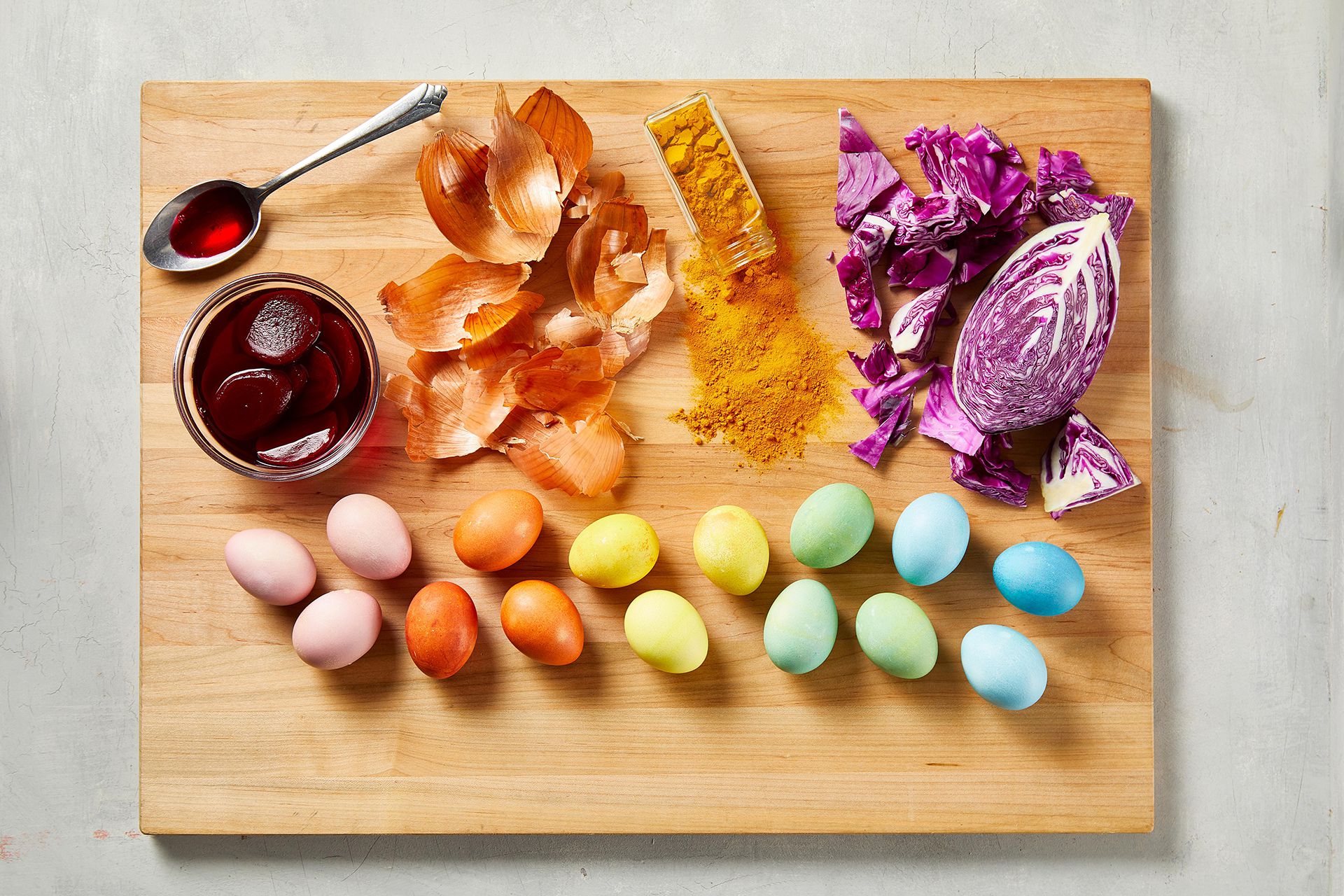
Dyeing eggs with food coloring is a classic, creative, and affordable activity that brings color and joy to celebrations, school projects, and family craft days. While it is often associated with Easter, dyed eggs can be enjoyed year round for science experiments, art projects, cultural traditions, or simply for fun. Using food coloring is one of the safest and most accessible methods, making it ideal for beginners as well as experienced crafters.
This in depth guide will walk you through everything you need to know about dyeing eggs with food coloring. From choosing the right eggs to mastering advanced color techniques, this article covers the process step by step while offering practical tips, creative ideas, and troubleshooting advice.
Why Use Food Coloring to Dye Eggs
Food coloring is widely used for egg dyeing because it is easy to find, inexpensive, and safe when used correctly. Most households already have food coloring in their kitchen, and if not, it is available at nearly every grocery store.
Some key advantages of using food coloring include:
- It produces bright, vibrant colors
- It is non toxic and food safe
- Colors can be mixed easily to create custom shades
- The process is simple and beginner friendly
- It works well for both decorative and edible eggs
Choosing the Right Eggs
The type of eggs you use will affect the final result. Both white and brown eggs can be dyed, but they produce different effects.
White Eggs
White eggs are the most popular choice for dyeing because they show colors clearly and brightly. Pastels, neon shades, and light colors all appear more vivid on white shells.
Brown Eggs
Brown eggs can also be dyed, but the natural shell color will influence the final shade. Colors tend to be deeper, more muted, and earthy. For example, yellow may appear golden, and blue may look teal or greenish.
Raw Eggs vs Hard Boiled Eggs
Most people prefer hard boiled eggs because they are safer to handle and can be eaten later. Raw eggs can be dyed for purely decorative purposes, but they require extra care and are not suitable for young children.
If you plan to eat the eggs, always use hard boiled eggs and keep food safety in mind.
Supplies You Will Need
Before you begin, gather all your materials to make the process smooth and enjoyable.
Basic supplies include:
- Eggs, preferably white
- Liquid food coloring
- White vinegar
- Warm water
- Small cups or bowls
- Spoons or egg holders
- Paper towels or drying rack
- Gloves or apron to protect hands and clothes
- Rubber bands
- Stickers
- Wax crayons
- Toothpicks
- Paper towels
- Oil or cooking spray
Preparing the Eggs
Proper preparation helps ensure even coloring and reduces the chance of cracked shells.
How to Hard Boil Eggs
- Place eggs in a single layer at the bottom of a pot
- Add enough water to cover the eggs completely
- Bring the water to a gentle boil
- Once boiling, turn off the heat and cover the pot
- Let the eggs sit in hot water for about ten to twelve minutes
- Transfer eggs to cold water to cool completely
Cleaning the Egg Shells
Even clean looking eggs may have residue that affects how dye adheres to the shell. Wipe each egg gently with a damp cloth or paper towel before dyeing.
The Basic Food Coloring Egg Dye Recipe
This simple dye formula is the foundation for most egg dyeing techniques.
For each color, you will need:
- Half cup of warm water
- One tablespoon of white vinegar
- Ten to twenty drops of food coloring
Stir the mixture gently to combine. Use separate cups for each color.
Step by Step Guide to Dyeing Eggs
Step One: Set Up Your Workspace
Cover your table with newspaper or paper towels. Arrange your dye cups, spoons, and eggs so everything is within reach. Wearing gloves is recommended to avoid stained hands.
Step Two: Dip the Eggs
Using a spoon, gently lower an egg into the dye. Make sure the egg is fully submerged for even coloring.
Step Three: Control the Color Intensity
Leave the egg in the dye for about three to five minutes for light colors. For deeper, richer colors, leave it in for ten minutes or longer. The longer the egg stays in the dye, the darker the color will become.
Step Four: Remove and Dry
Carefully lift the egg out of the dye with a spoon. Allow excess dye to drip back into the cup. Place the egg on a paper towel or drying rack and let it dry completely.
Avoid wiping the egg while wet, as this can remove color or cause streaks.
Creating Custom Colors
One of the biggest advantages of using food coloring is the ability to mix your own shades.
Here are some basic color combinations:
- Red and yellow make orange
- Blue and yellow make green
- Red and blue make purple
- Red with a small amount of blue makes magenta
- Blue with a touch of red makes violet
Creative Egg Dyeing Techniques
Once you master the basic dip dye method, you can explore more creative techniques to make your eggs truly unique.
Tie Dye Eggs
Tie dye eggs have a marbled, colorful appearance.
Steps:
- Wrap a dry egg in a damp paper towel
- Add drops of different food colors around the egg
- Sprinkle a little vinegar over the paper towel
- Let the egg sit for fifteen to twenty minutes
- Unwrap and allow it to dry
Patterned Eggs with Stickers or Rubber Bands
Create designs by blocking areas of the shell from the dye.
- Place stickers on the egg before dyeing
- Wrap rubber bands around the egg for striped patterns
- Dye the egg as usual
- Remove stickers or bands after the egg dries
Crayon Resist Designs
Wax resists dye, allowing you to draw designs that remain white.
- Use a white wax crayon to draw on the egg
- Dip the egg into dye
- The waxed areas will not absorb color
Ombre or Gradient Eggs
Ombre eggs fade from light to dark.
- Hold the egg partially in the dye
- Slowly lower it deeper into the dye every few minutes
- Rotate slightly for even transitions
Marbled Eggs with Oil
Oil creates a marbled, textured look.
- Dye the egg a base color and let it dry
- Add a teaspoon of oil to a second dye color
- Dip the egg briefly and remove
- Let it dry without wiping
Drying and Storing Dyed Eggs
Allow eggs to dry completely before handling or displaying them. Place them in an egg carton or on a rack where air can circulate.
If the eggs are edible, store them in the refrigerator and eat them within one week. Always keep dyed eggs chilled if they will be consumed.
If the eggs are for decoration only, consider blowing out the contents before dyeing or clearly marking them as non edible.
Food Safety Tips
When dyeing eggs with food coloring, safety is important, especially if the eggs will be eaten.
- Use only food safe coloring
- Do not leave eggs at room temperature for more than two hours
- Refrigerate eggs promptly after dyeing
- Avoid eating eggs with cracked shells
- Wash hands and surfaces after handling eggs
Common Mistakes and How to Avoid Them
Even simple projects can have challenges. Here are some common issues and how to fix them.
Uneven Coloring
This often happens if the egg is not fully submerged or has residue on the shell. Make sure eggs are clean and completely covered by dye.
Pale Colors
If colors appear too light, add more food coloring or leave the egg in the dye longer. Warm dye also helps produce stronger colors.
Cracked Eggs
Cracks usually occur during boiling. Start with room temperature eggs and avoid rapid boiling.
Sticky or Rubbed Off Dye
Let eggs dry fully without touching them. Avoid wiping the surface while wet.
Using Dyed Eggs for Decoration and Crafts
Dyed eggs are not just for eating. They can be used in many creative ways.
Ideas include:
- Table centerpieces
- Holiday decorations
- School science projects
- Photography props
- Gift basket accents
Making Egg Dyeing a Fun Group Activity
Dyeing eggs is a wonderful activity for families, classrooms, and gatherings. Set up multiple dye stations, encourage creativity, and allow everyone to experiment with their own designs.
Providing examples and technique cards can help beginners feel confident, while experienced participants can explore advanced patterns.
Final Thoughts
Learning how to dye eggs with food coloring is a simple yet rewarding process that combines creativity, science, and tradition. With just a few household ingredients, you can transform plain eggs into colorful works of art. Whether you prefer classic single colors or intricate patterns, the possibilities are nearly endless.
By understanding the basics, experimenting with techniques, and following safety tips, you can enjoy beautiful results every time. Dyeing eggs is not just about the final product, but also about the experience of creating something unique and memorable.
Take your time, have fun, and let your creativity guide you as you explore the colorful world of food coloring egg dyeing.