
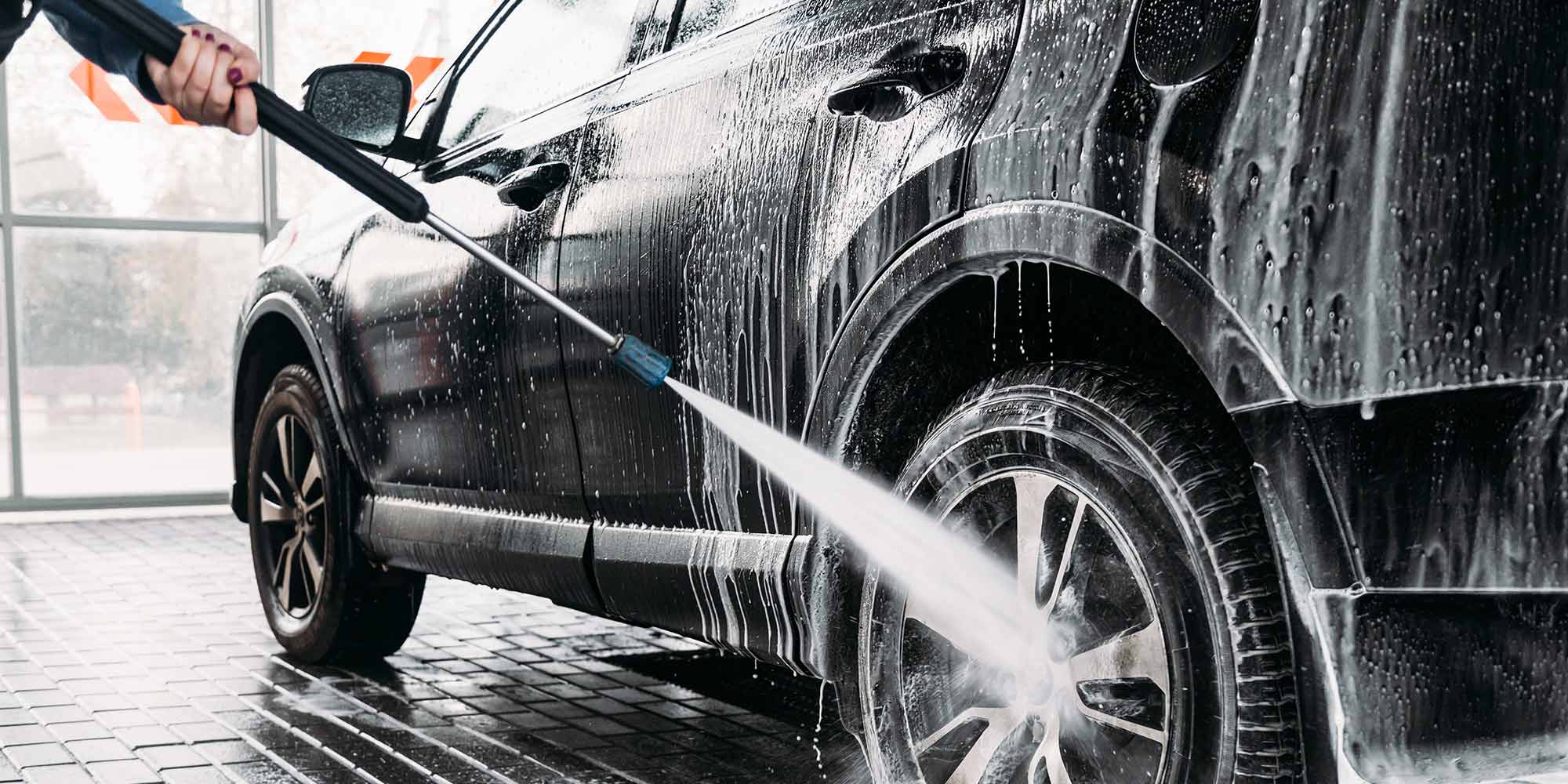
Keeping your car clean is about more than appearances. Regular car washing helps protect your vehicle’s paint, preserves its value, and can even prevent long term damage caused by dirt, salt, and environmental contaminants. One of the most common questions car owners ask is how often they should wash their car. The answer depends on several factors, including where you live, how you drive, the season, and your personal expectations for cleanliness.
This in depth guide explains how often you should wash your car, why it matters, and how to adjust your car washing routine based on real world conditions. Whether you drive daily in harsh weather or only occasionally on sunny weekends, this article will help you create a car care routine that works for you.
Why Washing Your Car Regularly Matters
Many people think of car washing as a cosmetic task, but it plays a much bigger role in vehicle maintenance.
Protecting the Paint and Finish
Your car’s paint is constantly exposed to harmful elements such as dirt, dust, road grime, bird droppings, tree sap, and industrial pollutants. If left on the surface for too long, these substances can eat away at the clear coat and paint, leading to fading, discoloration, or permanent damage.
Preventing Rust and Corrosion
Moisture combined with salt and grime is one of the biggest contributors to rust. Road salt used in winter, salty air near coastal areas, and mud trapped under the car can accelerate corrosion. Washing your car regularly removes these substances before they cause damage.
Maintaining Resale Value
A clean, well maintained car typically has a higher resale or trade in value. Buyers often judge how well a vehicle has been cared for by its exterior condition. Regular washing helps keep your car looking newer for longer.
Improving Safety and Visibility
Clean windows, mirrors, headlights, and taillights improve visibility while driving. Dirt and grime can reduce headlight brightness and make it harder for other drivers to see your signals, especially at night or during bad weather.
General Rule for How Often to Wash Your Car
As a general guideline, most experts recommend washing your car every two weeks. This frequency works well for average driving conditions and helps prevent buildup of dirt and contaminants.
However, this is only a starting point. The ideal car wash schedule varies depending on several factors, which we will explore in detail below.
Factors That Affect How Often You Should Wash Your Car
There is no single answer that applies to every driver. Your environment, driving habits, and local climate all play a role.
Climate and Weather Conditions
Weather is one of the biggest influences on how often you should wash your car.
Rainy or Humid Climates
Rain may seem like it cleans your car, but rainwater often contains pollutants that leave residue behind. In humid areas, moisture can linger on the surface, increasing the risk of rust and mold in hidden areas.
If you live in a rainy or humid climate, washing your car every one to two weeks is recommended.
Dry and Dusty Regions
In dry areas, dust and sand can accumulate quickly. While these may not seem as harmful as salt, they can scratch the paint if rubbed or left too long.
In dusty environments, washing your car every two weeks or even weekly may be necessary to protect the finish.
Cold and Snowy Winters
Winter conditions are especially harsh on vehicles. Road salt, snow, slush, and ice buildup can cling to the undercarriage and body panels.
During winter, it is often best to wash your car every one to two weeks, focusing on removing salt from the undercarriage to prevent corrosion.
Hot and Sunny Areas
Sun exposure can fade paint and damage clear coat over time. Combined with bird droppings and tree sap, heat can cause stains to set quickly.
In hot climates, washing your car every two weeks helps keep the surface clean and protected.
Driving Habits and Usage
How often you drive and where you drive also affect your washing schedule.
Daily Commuting
If you drive every day, especially on highways or in urban areas, your car is exposed to more pollutants, exhaust residue, and debris. A wash every one to two weeks is usually appropriate.
Occasional or Weekend Driving
Cars driven less frequently may not need to be washed as often, but contaminants can still settle on the surface even when the car is parked.
Even for low mileage vehicles, washing at least once a month is recommended.
Off Road or Rural Driving
Driving on dirt roads, gravel, or rural paths can lead to heavy dirt buildup, especially around wheel wells and the undercarriage.
If you drive off road or in muddy conditions, washing your car as soon as possible after driving helps prevent long term damage.
Where You Park Your Car
Parking conditions can significantly impact how quickly your car gets dirty.
Street Parking
Cars parked on the street are exposed to more pollutants, bird droppings, tree sap, and dust. These vehicles often need more frequent washing.
Garage Parking
Garage kept cars are protected from many environmental factors. If you park in a garage, you may be able to extend the time between washes slightly, depending on driving conditions.
Parking Under Trees
Parking under trees increases exposure to sap, pollen, leaves, and bird droppings, which can damage paint if not removed promptly.
In these cases, spot cleaning between full washes can be helpful.
Seasonal Car Washing Recommendations
Adjusting your car washing routine based on the season is one of the best ways to protect your vehicle year round.
Spring Car Washing
Spring brings pollen, rain, and leftover winter salt. Washing your car thoroughly in early spring helps remove salt residue and prepares the surface for warmer weather.
During spring, washing every one to two weeks is ideal.
Summer Car Washing
Summer heat can bake contaminants onto your car’s surface. Bugs, tree sap, and bird droppings are especially common.
Washing every two weeks is usually sufficient, but immediate spot cleaning is recommended for sticky or acidic substances.
Fall Car Washing
In fall, leaves, sap, and increased rain can cause buildup. Leaves trapped in crevices can retain moisture and lead to rust.
Washing every two to three weeks in fall helps maintain cleanliness as weather changes.
Winter Car Washing
Winter is the most critical time for car washing due to salt and grime.
Even in freezing temperatures, washing every one to two weeks is beneficial. Many car washes offer winter friendly options designed to prevent freezing.
How Often Should You Wash Different Parts of Your Car
A full exterior wash is important, but certain areas need special attention.
Exterior Body
The exterior should follow your regular washing schedule, typically every two weeks.
Undercarriage
The undercarriage collects salt, mud, and grime. Washing this area is especially important in winter or after off road driving.
Aim to clean the undercarriage at least once a month, or more often during winter.
Wheels and Tires
Brake dust and road grime accumulate quickly on wheels and tires. Washing them every time you wash your car helps prevent corrosion and keeps them looking good.
Windows and Mirrors
Clean windows and mirrors improve safety. These can be cleaned weekly or as needed, especially if visibility is reduced.
Headlights and Taillights
Dirt buildup on lights can reduce brightness. Wipe them down regularly to maintain visibility.
Hand Washing vs Automatic Car Washes
How you wash your car also affects how often it should be done.
Hand Washing
Hand washing allows for more control and gentler cleaning. It is ideal for removing stubborn dirt and reaching hidden areas.
If you hand wash your car, washing every two weeks is typically sufficient.
Automatic Car Washes
Automatic car washes are convenient and quick. Modern touchless washes reduce the risk of scratches, but some older systems may still cause minor abrasions.
Using an automatic car wash weekly or biweekly is common for daily drivers.
Touchless vs Brush Car Washes
Touchless washes rely on high pressure water and chemicals, while brush washes physically scrub the surface.
Touchless washes may require more frequent visits, while brush washes should be used cautiously to avoid paint damage.
How Waxing and Coatings Affect Wash Frequency
Protective treatments can reduce how often your car needs to be washed.
Waxed Cars
Wax creates a protective layer that repels water and dirt. Cars with a fresh wax often stay cleaner longer.
With regular waxing, you may be able to wash your car every three to four weeks under light conditions.
Paint Sealants and Ceramic Coatings
Advanced coatings provide long lasting protection and make cleaning easier.
While you should still wash your car regularly, coated vehicles often require less frequent washing and gentler methods.
Signs Your Car Needs a Wash
Sometimes the best indicator is simply how your car looks and feels.
Common signs include:
- Visible dirt or grime on the surface
- Dull or faded appearance
- Reduced visibility through windows
- Buildup around wheel wells
- Sticky spots from sap or droppings
Common Car Washing Mistakes to Avoid
Washing too often or incorrectly can also cause problems.
Washing Too Frequently with Harsh Methods
Excessive washing with abrasive sponges or brushes can wear down paint over time. Use gentle tools and quality soap.
Washing in Direct Sunlight
Washing in the sun can cause water spots and soap residue. Choose shade or cooler times of day.
Skipping the Undercarriage
Neglecting the underside can lead to rust, even if the exterior looks clean.
Using Household Detergents
Household cleaners can strip wax and damage paint. Always use car specific products.
Creating a Car Washing Schedule That Works for You
The best car washing routine balances protection, convenience, and personal preference.
A simple approach might look like this:
- Average conditions: Wash every two weeks
- Harsh conditions: Wash weekly
- Light use or garage parking: Wash once a month
- Winter or coastal areas: Wash every one to two weeks
Environmental Considerations When Washing Your Car
Responsible car washing helps protect the environment.
- Use biodegradable car soap
- Avoid letting runoff enter storm drains
- Consider professional car washes that recycle water
- Use minimal water when washing at home
Final Thoughts
So, how often should you wash your car? For most drivers, every two weeks is a solid rule of thumb. However, the ideal frequency depends on your environment, driving habits, seasonal conditions, and how much protection your car already has.
Regular car washing is an important part of vehicle care. It protects your paint, prevents rust, improves safety, and keeps your car looking its best. By paying attention to the factors outlined in this guide and adjusting your routine as needed, you can keep your vehicle clean and well maintained throughout the year.
A consistent, thoughtful approach to car washing not only enhances appearance but also helps extend the life and value of your car.