
Energy is a fundamental concept in science that explains how things move, change, and function. Among the many forms of energy found in nature, chemical energy plays a vital role in everyday life. From the food we eat and the fuel we burn to the batteries that power our devices, chemical energy is constantly at work around us.
This in-depth guide explains what chemical energy is, how it works, where it comes from, real-life examples, its advantages and disadvantages, and its importance in science, biology, and modern technology.
Understanding Energy in Simple Terms
Before exploring chemical energy specifically, it helps to understand what energy is in general.
Energy is the ability to do work or cause change. It exists in many forms, such as:
- Kinetic energy (energy of motion)
- Potential energy (stored energy)
- Thermal energy (heat)
- Electrical energy
- Nuclear energy
- Chemical energy
What Is Chemical Energy?
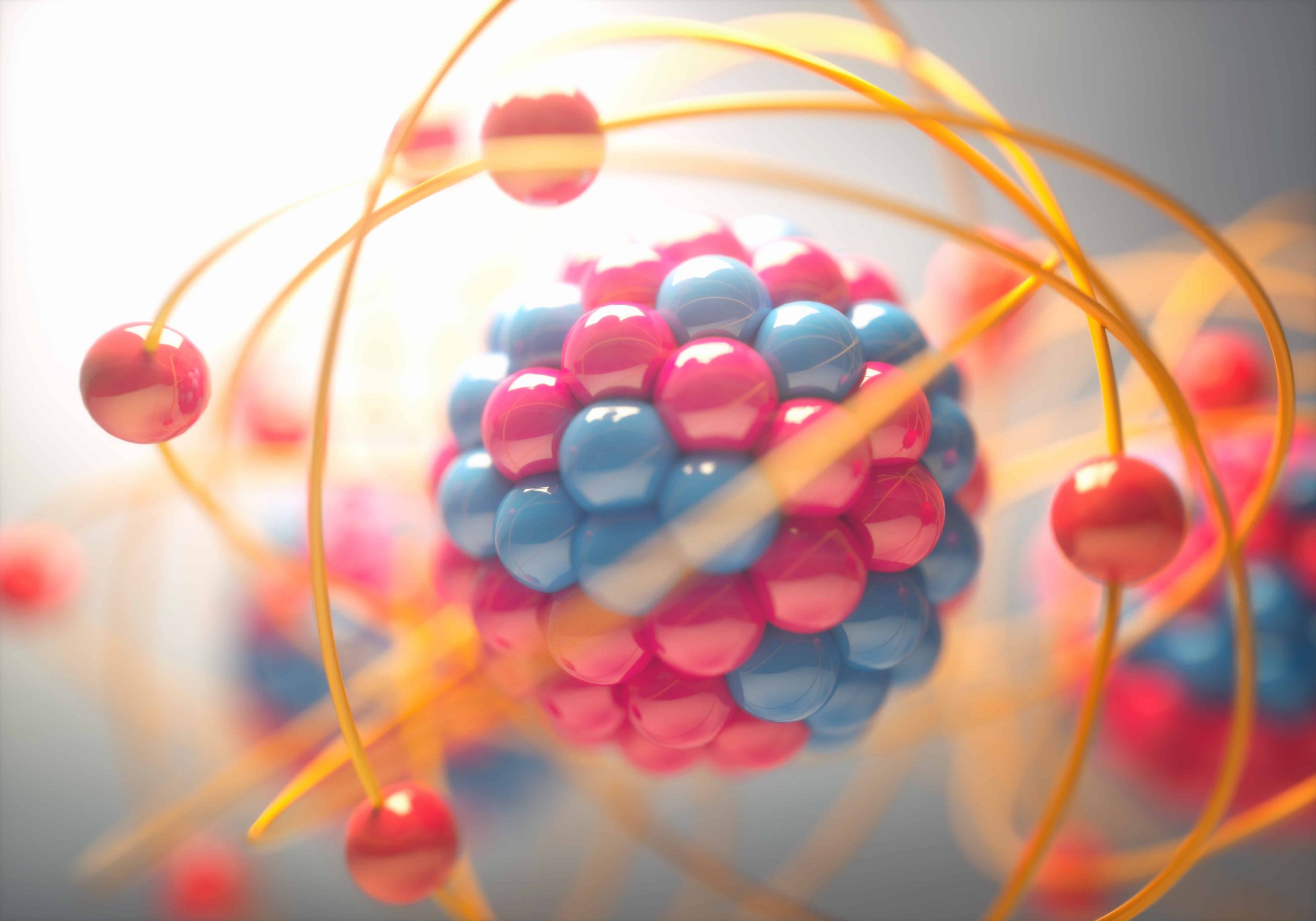
Chemical energy is the energy stored in the bonds of chemical compounds. These bonds hold atoms together in molecules. When chemical bonds are broken or formed during a chemical reaction, energy is either released or absorbed.
In simpler words, chemical energy is the energy locked inside substances like food, fuel, and batteries, which is released when they undergo chemical changes.
Where Is Chemical Energy Stored?
Chemical energy is stored in chemical bonds. Atoms are held together by forces of attraction known as bonds. These bonds require energy to form and release energy when they break.
The amount of chemical energy stored depends on:
- The type of atoms involved
- The strength of the bonds
- The structure of the molecule
How Chemical Energy Is Released
Chemical energy is released through chemical reactions. A chemical reaction occurs when substances interact and form new substances with different properties.
There are two main types of reactions related to energy:
- Exothermic reactions, which release energy (such as burning fuel)
- Endothermic reactions, which absorb energy (such as photosynthesis)
Common Examples of Chemical Energy
Chemical energy is present in many aspects of daily life.
Food and Digestion
Food contains chemical energy stored in carbohydrates, fats, and proteins. When we eat, our bodies break down these molecules through digestion and cellular respiration, releasing energy that powers movement, growth, and body functions.
Fuels
Fuels such as gasoline, diesel, coal, and natural gas store chemical energy. When burned, they react with oxygen in combustion reactions, releasing energy in the form of heat and light.
Batteries
Batteries store chemical energy and convert it into electrical energy through chemical reactions. This energy powers phones, laptops, vehicles, and countless other devices.
Explosives
Explosives contain chemical energy that is released very rapidly, producing a large amount of energy in a short time.
Living Organisms
Plants store chemical energy through photosynthesis, converting sunlight into chemical energy stored in glucose.
Chemical Energy in Biology
Chemical energy is essential for life.
Photosynthesis
Photosynthesis is the process by which plants convert light energy into chemical energy. Using sunlight, carbon dioxide, and water, plants produce glucose, which stores chemical energy.
This process forms the base of most food chains on Earth.
Cellular Respiration
Cellular respiration is the process by which living organisms release chemical energy from food. Glucose reacts with oxygen to produce energy in the form of ATP, which cells use for all activities.
Without chemical energy, life as we know it would not exist.
Chemical Energy in Physics and Chemistry
From a scientific perspective, chemical energy plays a key role in understanding reactions and systems.
Bond Energy
Bond energy refers to the amount of energy required to break a chemical bond. Stronger bonds contain more stored chemical energy.
Energy Conservation
Chemical energy follows the law of conservation of energy. Energy is not created or destroyed, only transformed from one form to another.
For example, in combustion:
- Chemical energy is converted into thermal energy and light
Chemical Energy vs Other Forms of Energy
Understanding how chemical energy compares to other forms helps clarify its role.
Chemical Energy vs Electrical Energy
- Chemical energy is stored in bonds
- Electrical energy involves moving electrons
Chemical Energy vs Mechanical Energy
- Chemical energy is stored
- Mechanical energy involves motion or position
Chemical Energy vs Thermal Energy
- Chemical energy is stored in molecules
- Thermal energy is related to heat and temperature
Uses of Chemical Energy in Everyday Life
Chemical energy is used in countless applications.
Transportation
Cars, airplanes, ships, and trains rely on chemical energy stored in fuels to move.
Electricity Generation
Many power plants burn fossil fuels to convert chemical energy into electrical energy.
Heating and Cooking
Natural gas, propane, and wood release chemical energy when burned to produce heat.
Industry and Manufacturing
Chemical energy powers machines, creates materials, and supports industrial processes.
Medical Applications
Chemical energy is used in medications, metabolism, and biochemical reactions in the human body.
Renewable and Non-Renewable Chemical Energy Sources
Chemical energy sources can be classified based on sustainability.
Non-Renewable Sources
- Coal
- Oil
- Natural gas
Renewable Sources
- Biomass
- Biofuels
- Hydrogen fuel
Advantages of Chemical Energy
Chemical energy offers several benefits.
High Energy Density
Many chemical fuels store large amounts of energy in small volumes.
Easy Storage and Transport
Fuels and batteries are relatively easy to store and transport.
Versatility
Chemical energy can be converted into many other forms, including heat, electricity, and mechanical energy.
Reliability
Chemical energy sources provide consistent and controllable energy output.
Disadvantages of Chemical Energy
Despite its advantages, chemical energy also has drawbacks.
Environmental Impact
Burning fossil fuels releases greenhouse gases and pollutants.
Limited Resources
Non-renewable fuels will eventually run out.
Safety Risks
Chemical energy can be hazardous if not handled properly, as seen in fires, explosions, and toxic reactions.
Energy Loss
Some energy is lost as heat during conversion processes.
Chemical Energy and Sustainability
As the world moves toward sustainability, chemical energy remains important.
Scientists are developing:
- Cleaner fuels
- Efficient batteries
- Safer energy storage methods
- Low-emission chemical processes
Chemical Energy in Education
Chemical energy is a core topic in science education because it connects chemistry, biology, and physics.
Students learn about:
- Chemical reactions
- Energy transformations
- Real-world applications
- Environmental impacts
Misconceptions About Chemical Energy
Some common misunderstandings include:
- Chemical energy is only found in fuels
- Chemical energy is not related to biology
- Energy is lost during reactions
Why Chemical Energy Matters
Chemical energy is essential because it:
- Powers life processes
- Supports modern civilization
- Enables transportation and industry
- Drives technological progress
- Connects natural and human-made systems
The Future of Chemical Energy
The future of chemical energy focuses on efficiency and sustainability.
Key areas of development include:
- Advanced battery technology
- Clean hydrogen production
- Carbon-neutral fuels
- Improved chemical storage systems
Final Thoughts
Chemical energy is one of the most important and widely used forms of energy on Earth. It is the energy stored in chemical bonds and released through chemical reactions. From fueling our bodies to powering machines and technologies, chemical energy is deeply woven into everyday life.
Understanding what chemical energy is helps us appreciate how nature works, how energy is transformed, and why responsible energy use matters. As science and technology continue to evolve, chemical energy will remain a central part of solving future energy challenges while supporting sustainable development.