
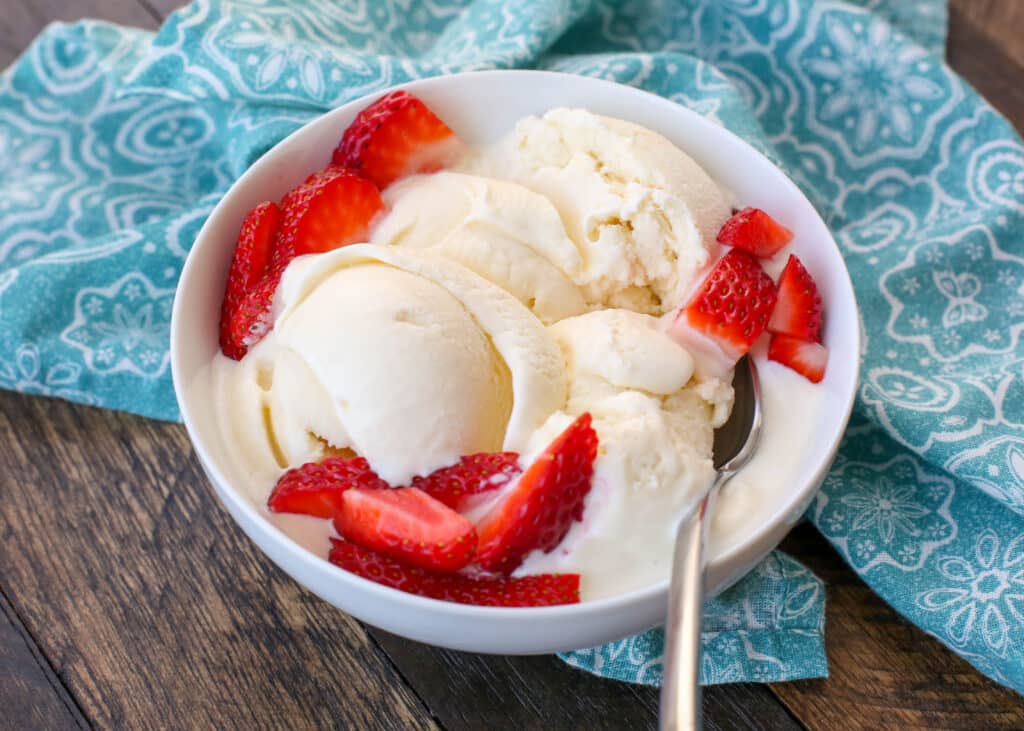
Homemade ice cream is one of life’s simple pleasures. There is something deeply satisfying about turning a few basic ingredients into a smooth, creamy dessert made exactly the way you like it. Whether you prefer classic vanilla, rich chocolate, fruity flavors, or creative mix-ins, learning how to make ice cream at home gives you complete control over taste, texture, and ingredients.
This in-depth guide explains how to make homemade ice cream step by step, covering traditional and no-churn methods, essential ingredients, equipment, flavor ideas, common mistakes, and expert tips to achieve perfect results every time.
Why Make Ice Cream at Home?
Making ice cream at home is more than just a fun activity. It offers several advantages over store-bought options.
- You control the ingredients and avoid preservatives
- You can adjust sweetness and flavors
- You can accommodate dietary needs
- You enjoy fresher taste and better texture
- You can experiment with endless flavor combinations
Understanding How Ice Cream Works
Before diving into recipes, it helps to understand what ice cream actually is.
Ice cream is a frozen emulsion made from dairy, sugar, and air. The goal is to freeze the mixture while constantly moving it so ice crystals remain small. This creates the smooth, creamy texture that defines good ice cream.
Key elements include:
- Fat for richness
- Sugar for sweetness and softness
- Air for lightness
- Cold temperature for structure
Basic Ingredients for Homemade Ice Cream
Most ice cream recipes use a few simple ingredients.
Dairy
Dairy provides fat and creaminess.
Common choices include:
- Heavy cream
- Whole milk
- Half-and-half
Sugar
Sugar sweetens the ice cream and prevents it from freezing solid.
Options include:
- Granulated sugar
- Brown sugar
- Honey
- Condensed milk
- Maple syrup
Flavorings
Flavorings give ice cream its unique taste.
Examples include:
- Vanilla extract
- Cocoa powder
- Melted chocolate
- Fruit purees
- Coffee or tea infusions
- Spices such as cinnamon or nutmeg
Stabilizers and Emulsifiers (Optional)
Some recipes include:
- Egg yolks
- Cornstarch
- Gelatin
Essential Equipment for Making Ice Cream
You can make ice cream with or without special equipment.
Ice Cream Maker
An ice cream maker churns the mixture while freezing it, producing the best texture.
Types include:
- Freezer-bowl machines
- Compressor machines
- Hand-crank models
No-Churn Method Tools
For no-churn ice cream, you typically need:
- Mixing bowls
- Hand mixer or whisk
- Freezer-safe container
Optional Tools
- Saucepan
- Thermometer
- Fine-mesh strainer
- Rubber spatula
Classic Custard-Based Ice Cream Method
This traditional method produces rich, creamy ice cream.
Step 1: Prepare the Custard Base
A custard base includes egg yolks, milk, sugar, and cream.
- Heat milk and cream gently
- Whisk egg yolks with sugar
- Slowly temper the eggs with hot liquid
- Cook gently until thickened
Step 2: Chill the Mixture
Chill the custard completely in the refrigerator. This step is crucial for smooth texture and proper churning.
Step 3: Churn the Ice Cream
Pour the chilled base into an ice cream maker and churn according to instructions.
Churning incorporates air and prevents large ice crystals.
Step 4: Freeze Until Firm
Transfer the churned ice cream to a container and freeze for several hours until scoopable.
No-Churn Homemade Ice Cream Method
No-churn ice cream is perfect for beginners.
Ingredients for No-Churn Ice Cream
- Heavy cream
- Sweetened condensed milk
- Flavorings of choice
Step-by-Step Process
- Whip heavy cream until stiff peaks form
- Fold in condensed milk gently
- Add flavorings
- Transfer to a container
- Freeze until firm
Making Ice Cream Without Eggs
Egg-free ice cream is lighter and simpler to make.
Common techniques include:
- Using cornstarch as a thickener
- Relying on heavy cream for richness
- Using condensed milk
Popular Homemade Ice Cream Flavors
Once you master the base, flavor options are endless.
Vanilla Ice Cream
The foundation of many desserts, vanilla ice cream highlights quality ingredients.
Chocolate Ice Cream
Made with cocoa powder, melted chocolate, or both for deep flavor.
Strawberry Ice Cream
Fresh strawberries blended into a creamy base create a refreshing dessert.
Coffee Ice Cream
Infused milk or espresso adds rich coffee flavor.
Mint Ice Cream
Mint extract combined with cream produces a refreshing taste.
Adding Mix-Ins and Swirls
Mix-ins add texture and excitement.
Popular options include:
- Chocolate chips
- Cookie pieces
- Brownie chunks
- Nuts
- Caramel or fudge swirls
- Fruit chunks
Dairy-Free and Vegan Ice Cream Options
You can make ice cream without dairy.
Plant-Based Milks
- Coconut milk
- Almond milk
- Cashew milk
- Oat milk
Sweeteners
- Maple syrup
- Agave
- Coconut sugar
Thickening Methods
- Cashew paste
- Arrowroot
- Tapioca starch
Common Mistakes to Avoid
Even simple recipes can go wrong.
Not Chilling the Base
A warm base leads to icy texture.
Over-Churning
Over-churning can make ice cream grainy or buttery.
Under-Sweetening
Ice cream tastes less sweet when frozen, so proper sugar levels matter.
Adding Mix-Ins Too Early
Mix-ins added too early can sink or break apart.
How to Store Homemade Ice Cream
Proper storage keeps ice cream fresh.
- Use airtight containers
- Press parchment paper on the surface
- Store at the back of the freezer
- Consume within one to two weeks for best texture
How to Make Ice Cream Softer and Creamier
For smoother texture:
- Use higher fat content
- Add a small amount of alcohol
- Use corn syrup or honey
- Avoid temperature fluctuations
Ice Cream Safety and Hygiene Tips
Food safety is important.
- Use fresh ingredients
- Cook egg custards properly
- Keep equipment clean
- Store ice cream at safe temperatures
Making Ice Cream With Kids
Ice cream making is a fun family activity.
- Choose no-churn recipes
- Let kids add mix-ins
- Teach basic kitchen safety
- Encourage creativity
Creative Homemade Ice Cream Ideas
Once confident, try unique flavors.
- Salted caramel
- Honey lavender
- Pistachio
- Matcha green tea
- Peanut butter swirl
- Mango chili
Troubleshooting Homemade Ice Cream Problems
If ice cream turns out icy:
- Increase fat or sugar
- Improve churning
- Freeze faster
- Let it soften at room temperature
- Add a bit more sugar next time
Benefits of Homemade Ice Cream
Homemade ice cream offers:
- Better ingredient control
- Custom flavors
- Fresh taste
- Creative satisfaction
- Healthier alternatives when desired
Final Thoughts
Learning how to make homemade ice cream opens the door to endless creativity and enjoyment. Whether you choose a traditional custard base, a no-churn method, or a dairy-free option, homemade ice cream allows you to tailor every detail to your taste.
With patience, quality ingredients, and a little experimentation, you can create ice cream that rivals or surpasses store-bought versions. From simple vanilla to adventurous flavors, homemade ice cream is a delicious way to bring comfort, fun, and flavor into your kitchen.