
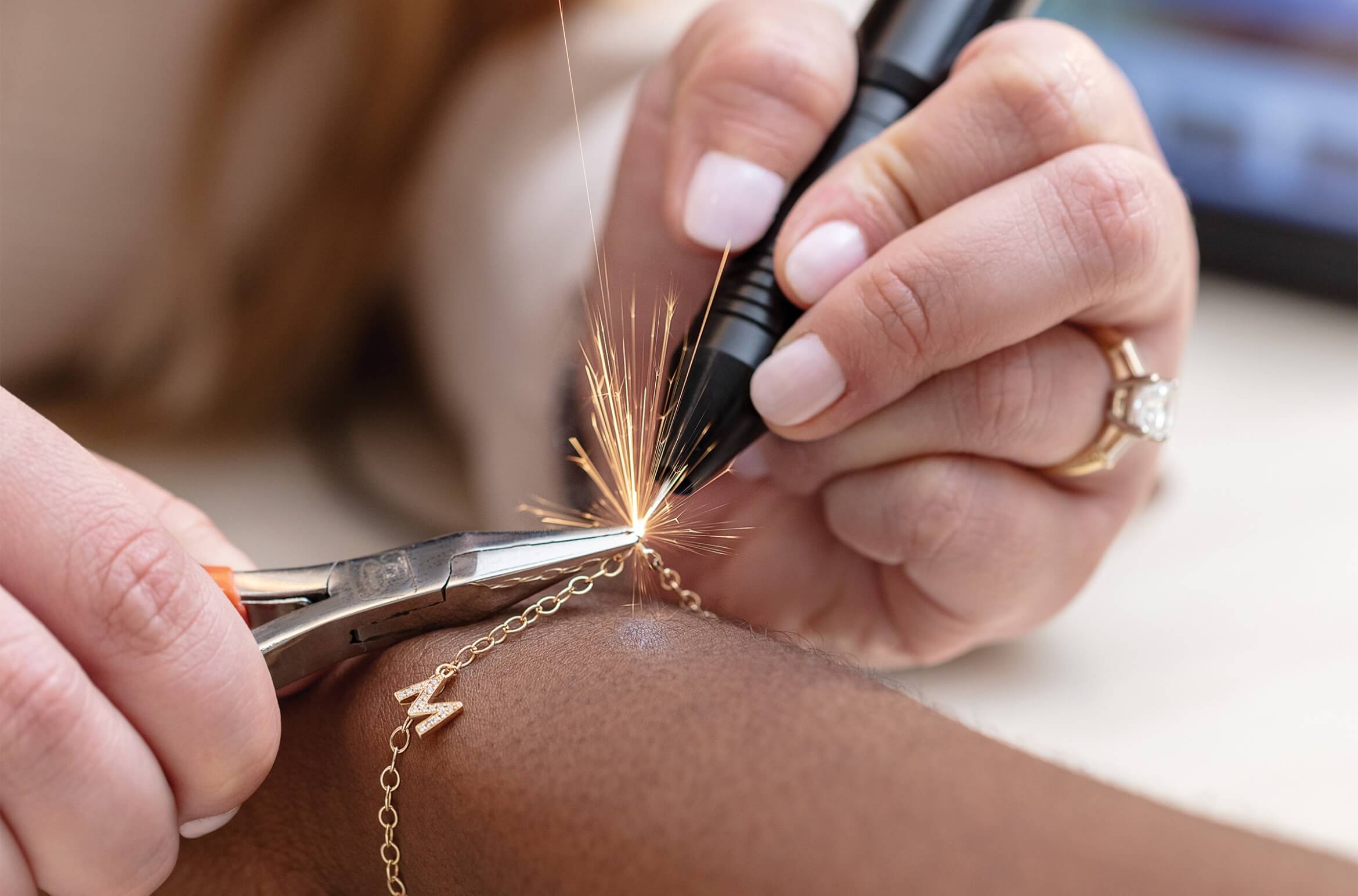
Permanent jewelry has quickly become one of the most talked-about trends in the fashion and jewelry world. From delicate welded bracelets to meaningful anklets and necklaces, permanent jewelry offers a unique way to express connection, commitment, and personal style. Unlike traditional jewelry that can be removed at any time, permanent jewelry is designed to stay with you—symbolizing moments, relationships, and memories that last.
In this in-depth guide, you’ll learn what permanent jewelry is, how it works, the types available, materials used, benefits, drawbacks, safety concerns, costs, and whether permanent jewelry is right for you.
Understanding Permanent Jewelry
Permanent jewelry refers to jewelry pieces that are custom-fitted and welded directly onto the body, usually without a clasp. Instead of fastening with a hook or closure, the jewelry is secured using a small welding tool that fuses the ends of the chain together.
The result is a seamless piece of jewelry that stays on continuously until it is intentionally cut off or removed by a professional.
Permanent jewelry is popular for:
- Bracelets
- Anklets
- Necklaces
- Rings (less common)
Why Is It Called Permanent Jewelry?
The term “permanent” does not mean the jewelry can never be removed. Rather, it means the jewelry is meant to be worn long-term and does not have a clasp for daily removal.
If needed, permanent jewelry can be safely cut off using scissors or a jewelry tool. Some jewelers even offer re-welding services if you want to put it back on later.
How Permanent Jewelry Is Applied
The process of getting permanent jewelry is simple, quick, and usually painless.
Step 1: Choosing the Jewelry
You start by selecting:
- Chain style
- Metal type
- Length and fit
- Optional charms or connectors
Step 2: Custom Fitting
The jeweler measures your wrist, ankle, or neck to ensure a perfect fit. The chain is adjusted so it is snug but comfortable, allowing for natural movement.
Step 3: Welding the Jewelry
A small, precision welding tool is used to fuse the chain ends together. The process takes only a few seconds and does not touch the skin.
Protective measures, such as a leather patch, are placed between the skin and the jewelry during welding.
Step 4: Final Check
Once welded, the jeweler checks the fit and ensures the link is smooth and secure.
Types of Permanent Jewelry
Permanent jewelry comes in several forms, depending on personal preference and placement.
Permanent Bracelets
Permanent bracelets are the most popular option. They are often worn as symbols of:
- Friendship
- Love
- Family bonds
- Personal milestones
Permanent Anklets
Anklets offer a stylish and playful alternative. They are especially popular in warm climates and during summer seasons.
Permanent Necklaces
Permanent necklaces are less common but can be very meaningful. They often feature minimalist designs that sit comfortably on the collarbone.
Permanent Rings
Some jewelers offer permanent rings, though these require extra consideration due to finger swelling and safety concerns.
Materials Used in Permanent Jewelry
Choosing the right material is essential for comfort, durability, and skin safety.
Gold
Gold is the most popular choice for permanent jewelry.
- Solid gold (14k or higher) is highly recommended
- Resistant to tarnish
- Hypoallergenic
- Suitable for long-term wear
Sterling Silver
Sterling silver is more affordable but requires more care.
- May tarnish over time
- Not ideal for constant exposure to water
- Suitable for short-term permanent wear
Gold-Filled Jewelry
Gold-filled chains offer a balance between cost and durability.
- Thicker gold layer than gold-plated jewelry
- Longer-lasting than plating
- More affordable than solid gold
Platinum
Platinum is rare but extremely durable.
- Hypoallergenic
- Resistant to corrosion
- Higher cost but excellent longevity
The Meaning Behind Permanent Jewelry
Permanent jewelry often carries deep emotional significance.
Symbol of Connection
Many people get permanent jewelry with:
- Best friends
- Couples
- Siblings
- Parents and children
Personal Milestones
Permanent jewelry can mark:
- Birthdays
- Anniversaries
- Achievements
- Life transitions
Self-Expression
Some people choose permanent jewelry simply as a personal reminder or style statement.
Is Permanent Jewelry Safe?
When applied correctly by a trained professional, permanent jewelry is generally safe.
Skin Safety
- Welding does not touch the skin
- Protective barriers are used
- Hypoallergenic metals reduce irritation
Daily Activities
Permanent jewelry is designed to withstand:
- Showering
- Sleeping
- Light exercise
Medical and Security Considerations
You may need to remove permanent jewelry for:
- Medical imaging (MRI scans)
- Certain surgeries
- Security screenings in rare cases
Pros of Permanent Jewelry
Permanent jewelry offers several advantages.
Always On
You never have to remember to put it on or take it off.
Minimalist and Elegant
Most designs are subtle and suit all outfits.
Emotional Value
Permanent jewelry often holds sentimental meaning.
Custom Fit
Each piece is tailored specifically to your body.
Low Maintenance
High-quality metals require minimal upkeep.
Cons of Permanent Jewelry
Despite its popularity, permanent jewelry may not be for everyone.
Not Easily Removable
Removing it requires cutting the chain.
Risk of Breakage
Thin chains can break if snagged.
Initial Cost
High-quality materials can be expensive.
Not Suitable for All Jobs
Certain professions may require jewelry removal for safety reasons.
How Long Does Permanent Jewelry Last?
The lifespan of permanent jewelry depends on several factors:
- Metal quality
- Chain thickness
- Daily activities
- Proper care
Caring for Permanent Jewelry
Even though it stays on, permanent jewelry still benefits from care.
Cleaning
- Gently clean with mild soap and water
- Use a soft cloth to polish
- Avoid harsh chemicals
Avoiding Damage
- Remove before intense physical activity if possible
- Be cautious around machinery
- Avoid pulling or twisting the chain
Regular Checkups
Some jewelers offer inspections to ensure the weld remains secure.
Permanent Jewelry vs Traditional Jewelry
Permanent jewelry differs from traditional jewelry in several ways.
Traditional Jewelry
- Has clasps
- Can be removed daily
- Offers more flexibility
- Easier to switch styles
Permanent Jewelry
- No clasp
- Continuous wear
- More symbolic
- Minimalist design
Who Should Consider Permanent Jewelry?
Permanent jewelry may be ideal for people who:
- Prefer minimalist fashion
- Value sentimental jewelry
- Dislike clasps
- Want a unique experience
- Enjoy meaningful symbols
Cost of Permanent Jewelry
Prices vary based on material and design.
General price ranges:
- Gold-filled bracelets: mid-range cost
- Solid gold bracelets: higher cost
- Added charms or connectors increase price
Permanent Jewelry as a Gift or Experience
Permanent jewelry is increasingly popular as a shared experience.
- Friendship bracelets
- Couple bonding sessions
- Mother-daughter jewelry
- Group celebrations
Trends in Permanent Jewelry
Permanent jewelry continues to evolve.
Current trends include:
- Ultra-thin chains
- Minimal charms
- Birthstone connectors
- Zodiac symbols
- Layered permanent pieces
Frequently Asked Questions About Permanent Jewelry
Does permanent jewelry hurt?
No, the welding process is quick and painless.
Can permanent jewelry be removed?
Yes, it can be safely cut off at any time.
Will it set off metal detectors?
Usually not, especially thin gold chains.
Can I add charms later?
Some jewelers allow modifications or re-welding.
Is Permanent Jewelry Worth It?
Whether permanent jewelry is worth it depends on what you value most.
If you appreciate:
- Symbolism
- Minimalism
- Custom experiences
- Long-lasting accessories
If flexibility and frequent style changes matter more, traditional jewelry may be better.
Final Thoughts
Permanent jewelry is more than just a fashion trend—it is a personal statement. By offering a seamless, clasp-free design meant to stay on, it represents connection, commitment, and individuality. From delicate bracelets to symbolic necklaces, permanent jewelry blends elegance with emotion.
Understanding what permanent jewelry is helps you decide whether it fits your lifestyle, values, and style preferences. With proper materials, professional application, and thoughtful care, permanent jewelry can become a lasting part of your personal story.