
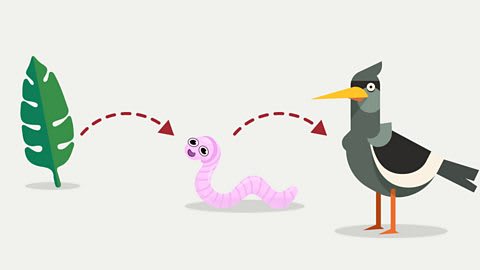
Understanding how life on Earth is sustained begins with one fundamental concept: the food chain. At the very base of every food chain lies a crucial group of organisms known as producers. Without them, ecosystems would collapse, energy flow would stop, and life as we know it would not exist.
In this in-depth guide, we will explore what a producer in a food chain is, how producers function, their types, importance, and real-world examples. This article is structured with clear headings so you can easily scan and understand each concept.
Introduction to Food Chains
A food chain is a linear sequence that shows how energy and nutrients move through an ecosystem. It illustrates who eats whom and how energy flows from one organism to another.
A simple food chain looks like this:
Sun → Plant → Herbivore → Carnivore
Each step in this chain is called a trophic level. Producers occupy the very first trophic level, making them the foundation of all ecosystems.
What Is a Producer in a Food Chain?
A producer is an organism that can make its own food using energy from the environment. Most producers use sunlight, water, and carbon dioxide to create energy-rich compounds through a process called photosynthesis.
Producers are also known as:
- Autotrophs (meaning “self-feeders”)
- Primary producers (because they produce the first form of energy in the food chain)
Unlike animals, which must consume other organisms to survive, producers generate their own energy. This ability makes them essential for sustaining life.
How Producers Make Food
Photosynthesis Explained
The most common way producers create food is through photosynthesis. This process occurs mainly in plants, algae, and some bacteria.
During photosynthesis:
- Sunlight is absorbed by chlorophyll (a green pigment in plants)
- Carbon dioxide is taken from the air
- Water is absorbed from the soil
These ingredients are converted into:
- Glucose (sugar) — used as energy
- Oxygen — released into the atmosphere
The Basic Equation of Photosynthesis
Carbon dioxide + Water + Sunlight → Glucose + Oxygen
This process not only feeds the producer but also supplies oxygen for other living organisms.
Chemosynthesis: An Alternative Method
Not all producers rely on sunlight. Some organisms, especially those living in extreme environments like deep ocean vents, use chemosynthesis.
In chemosynthesis:
- Energy comes from chemical reactions instead of sunlight
- Bacteria convert inorganic substances (like hydrogen sulfide) into food
This shows that producers can exist even in environments without sunlight.
Types of Producers in a Food Chain
Producers are diverse and can be found in almost every ecosystem on Earth. Let’s explore the main types.
1. Terrestrial Producers (Land-Based)
These producers live on land and are mostly plants.
Examples include:
- Trees
- Grass
- Shrubs
- Crops like wheat and rice
They form the base of land ecosystems and support herbivores such as deer, cows, and insects.
2. Aquatic Producers (Water-Based)
These producers live in water ecosystems such as oceans, lakes, and rivers.
Examples include:
- Algae
- Phytoplankton
- Aquatic plants
Phytoplankton are especially important because they produce a significant portion of the Earth’s oxygen and serve as the base of marine food chains.
3. Bacterial Producers
Certain bacteria can act as producers, especially in extreme environments.
Examples include:
- Cyanobacteria (photosynthetic bacteria)
- Chemosynthetic bacteria in deep-sea vents
These organisms are vital in ecosystems where traditional plants cannot survive.
Role of Producers in the Food Chain
Producers play several critical roles that make life possible.
1. Energy Entry Point
Producers are the gateway of energy into the ecosystem. They convert solar or chemical energy into a form that other organisms can use.
Without producers, energy could not enter the food chain.
2. Foundation of All Trophic Levels
Every organism in a food chain depends directly or indirectly on producers.
- Herbivores eat producers
- Carnivores eat herbivores
- Omnivores eat both
If producers disappear, the entire chain collapses.
3. Oxygen Production
Through photosynthesis, producers release oxygen into the atmosphere, which is essential for the survival of most living organisms.
4. Carbon Cycle Regulation
Producers help regulate the Earth’s climate by absorbing carbon dioxide during photosynthesis. This plays a key role in controlling greenhouse gases.
Examples of Producers in Different Ecosystems
Forest Ecosystem
- Producers: Trees, shrubs, grass
- Primary consumers: Deer, insects
- Secondary consumers: Birds, foxes
Grassland Ecosystem
- Producers: Grasses and small plants
- Primary consumers: Zebras, rabbits
- Secondary consumers: Lions, snakes
Marine Ecosystem
- Producers: Phytoplankton, algae
- Primary consumers: Zooplankton, small fish
- Secondary consumers: Larger fish, sharks
Desert Ecosystem
- Producers: Cactus, desert shrubs
- Primary consumers: Insects, rodents
- Secondary consumers: Snakes, hawks
Each ecosystem depends on its unique set of producers adapted to the environment.
Difference Between Producers and Consumers
Understanding producers becomes clearer when compared with consumers.
Producers
- Make their own food
- Use sunlight or chemicals
- First trophic level
- Examples: Plants, algae
Consumers
- Cannot make their own food
- Depend on other organisms
- Higher trophic levels
- Examples: Animals, humans
Consumers are further divided into:
- Primary consumers (herbivores)
- Secondary consumers (carnivores)
- Tertiary consumers (top predators)
Producers vs Decomposers
Another important group in ecosystems is decomposers.
Producers
- Create food
- Use energy from sunlight or chemicals
Decomposers
- Break down dead organisms
- Recycle nutrients back into the soil
Examples of decomposers:
- Fungi
- Bacteria
Together, producers and decomposers maintain the balance of ecosystems.
Why Producers Are Essential for Life
Producers are not just important—they are absolutely essential.
1. Support All Life Forms
Every living organism relies on producers either directly or indirectly for food.
2. Maintain Ecological Balance
Producers regulate populations by controlling the amount of energy available in the ecosystem.
3. Enable Biodiversity
Rich plant life supports diverse animal populations, increasing biodiversity.
4. Provide Human Resources
Humans rely on producers for:
- Food (fruits, vegetables, grains)
- Oxygen
- Raw materials (wood, cotton)
- Medicine
What Happens If Producers Disappear?
If producers were removed from a food chain, the consequences would be catastrophic.
Immediate Effects
- Herbivores would starve
- Carnivores would lose prey
Long-Term Effects
- Ecosystems would collapse
- Oxygen levels would decrease
- Carbon dioxide levels would rise
This highlights the critical importance of protecting plant life and natural ecosystems.
Human Impact on Producers
Human activities have a major effect on producers and ecosystems.
Deforestation
Cutting down forests reduces the number of producers, disrupting food chains.
Pollution
Air, water, and soil pollution can harm plants and aquatic producers.
Climate Change
Changes in temperature and weather patterns affect plant growth and productivity.
Overfishing and Marine Damage
Destruction of marine habitats affects phytoplankton and algae, which are key producers in oceans.
Conservation of Producers
Protecting producers is essential for maintaining life on Earth.
1. Reforestation
Planting trees helps restore ecosystems and increase oxygen production.
2. Sustainable Farming
Using eco-friendly farming practices protects soil and plant life.
3. Reducing Pollution
Limiting emissions and waste helps maintain healthy environments for producers.
4. Protecting Oceans
Marine conservation ensures the survival of aquatic producers like phytoplankton.
Interesting Facts About Producers
- Phytoplankton produce about 50% of the world’s oxygen
- Plants convert only about 1% of sunlight into usable energy
- Some bacteria can live without sunlight and still act as producers
- The Amazon rainforest is often called the “lungs of the Earth” because of its dense population of producers
Producers in the Food Web
While food chains are linear, real ecosystems are more complex and form food webs.
In a food web:
- Multiple food chains are interconnected
- Producers support many different organisms simultaneously
For example, a single plant may be eaten by insects, birds, and mammals, linking multiple chains together.
Educational Importance of Producers
Understanding producers is fundamental in biology and environmental science.
Students learn about:
- Energy flow in ecosystems
- Interdependence of organisms
- Environmental conservation
This knowledge helps build awareness about protecting the natural world.
Conclusion
Producers are the backbone of every food chain and ecosystem. They convert sunlight or chemical energy into food, making life possible for all other organisms. From towering trees in forests to microscopic phytoplankton in oceans, producers sustain the planet in countless ways.
Their role goes beyond just feeding organisms—they regulate the atmosphere, support biodiversity, and maintain ecological balance. Without producers, life on Earth would not exist.
As human activities continue to impact the environment, protecting producers becomes more important than ever. By conserving plant life and natural ecosystems, we ensure the survival of future generations and the continued health of our planet.
Understanding what a producer in a food chain is not only deepens our knowledge of biology but also reminds us of our responsibility to protect the natural systems that sustain life.