
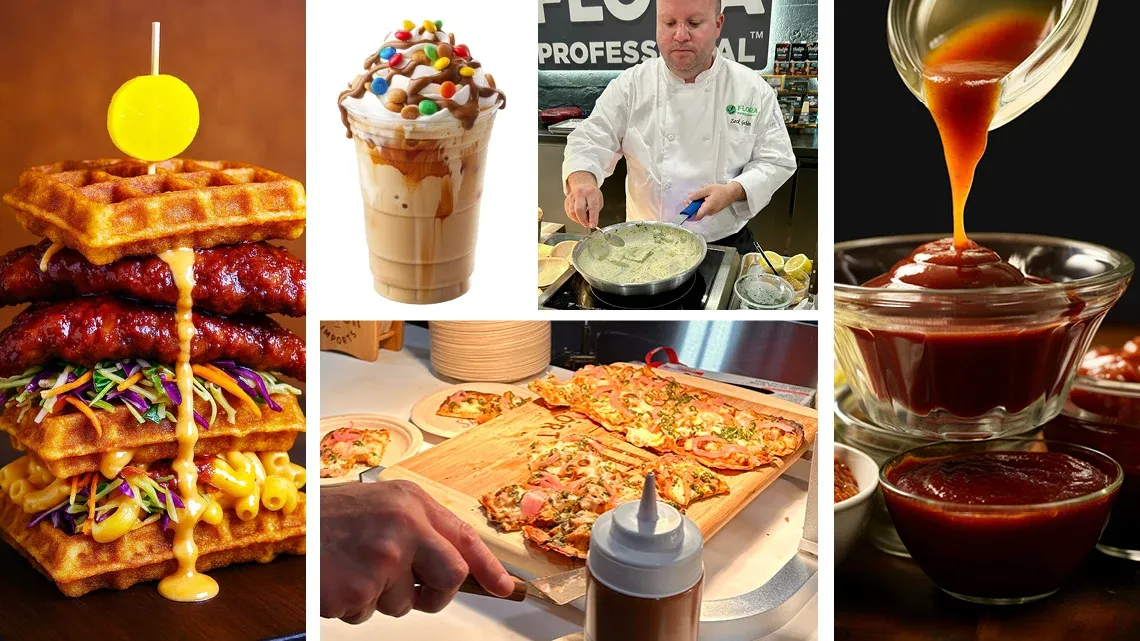
At first glance, the phrase “What foods do you dot?” may sound unusual or confusing. However, in the culinary world, “dotting” is a well-known technique used across baking, cooking, food styling, and plating. Dotting refers to adding small amounts of an ingredient—often butter, sauce, cream, icing, or seasoning—in tiny drops or spots across a dish. This technique enhances flavor, improves texture, or creates a visually captivating presentation.
Dotting is used in pastries, breads, desserts, soups, salads, meats, and even drinks. Whether you’re a home cook, food blogger, chef-in-training, or simply curious, this guide will walk you through what it means to dot food, why the technique matters, and multiple categories of foods you typically dot, complete with examples and culinary insights.
This article digs deep into the techniques, cultural traditions, visual styles, and flavor applications that make dotting an important and creative part of cooking.
Understanding the Concept of “Dotting Food”
Before exploring specific foods, it’s essential to understand what dotting actually means.
What Does “Dotting” Mean in Cooking?
Dotting refers to:
- Adding small pieces of butter over a dish before baking
- Adding droplets of sauce on a plate for decoration
- Applying icing dots onto cookies, cupcakes, or cakes
- Finishing dishes with dotted herbs or spices
- Placing small dots of puree, coulis, or reductions during modern plating
- Dropping tiny amounts of flavored oils onto soups or appetizers
Why Do Chefs Dot Foods?
Dotting may seem like a small detail, but it plays a huge role in professional and home cooking.
1. Enhancing Flavor
Dotting butter on pies or casseroles helps distribute moisture and richness.
2. Controlling Sweetness or Sourness
Desserts may be dotted with cream, fruit purees, or icing to avoid overpowering sweetness.
3. Creating Visual Appeal
Dots add elegance and symmetry to plated dishes—especially in fine dining.
4. Adding Texture
Using dotted sauces or soft cheese on top of hot foods can create contrast.
5. Ensuring Even Cooking
Dotting butter helps prevent drying during baking or roasting.
Foods You Commonly Dot: Complete Categories and Examples
Below is an in-depth exploration of the foods you traditionally dot and why this technique works for each.
1. Baked Goods That You Dot
Dotting is extremely common in pastries, pies, and breads.
Dotting Butter on Pies
Classic fruit pies—like apple, peach, cherry, or berry pies—are often dotted with butter before adding the top crust.
Why dot them?
- Prevents fruit from drying out
- Enhances richness
- Adds shine to the baked top crust
- Apple pie dotted with butter
- Mixed berry pie
- Peach cobbler with dotted butter on top
- Crumble toppings dotted with cold butter cubes
Dotting Cinnamon Rolls and Pastries
Some pastries are dotted with icing or glaze rather than flooded.
Examples:
- Sticky buns dotted with nuts and icing
- Danish pastries dotted with jam in the center
- Kolaches dotted with fruit filling
Dotting Scones or Muffins
Many bakers dot scone batter or muffin tops with:
- Butter
- Fruit pieces
- Chocolate chips
- Sugar dots
2. Desserts You Dot for Decoration or Flavor
Desserts often rely on dotting to create contrast, add color, or improve sweetness balance.
Dotting Cakes With Icing or Ganache
Instead of fully frosting, dotted cakes use small icing dots for aesthetic precision.
Examples:
- Buttercream-dotted birthday cakes
- Cupcakes with dotted frosting patterns
- Swiss rolls dotted with chocolate ganache
Dotting Cheesecake With Fruit Puree
Cheesecake bakers often dot the top with:
- Strawberry puree
- Blueberry reduction
- Lemon curd
- Chocolate sauce
Dotting Cookies for Decoration
Cookies frequently use dotted touches:
- Chocolate chip cookies inherently have “dots”
- Sugar cookies dotted with sprinkles
- Thumbprint cookies dotted with jam
- Ginger snaps dotted with icing
3. Savory Foods That You Dot With Butter, Oil, or Sauce
Dotting isn’t just for sweets. It’s a fundamental step in many savory dishes.
Dotting Butter on Casseroles
Casseroles often require dotting before baking to prevent dryness.
Examples:
- Potato gratin dotted with butter
- Green bean casserole with butter spots
- Stuffing or dressing dotted before roasting
Dotting Butter on Vegetables
Especially in European cooking, vegetables are dotted with butter after steaming or roasting.
Foods include:
- Carrots
- Green beans
- Corn
- Squash
- Brussels sprouts
Dotting Sauces on the Plate
In modern dining, chefs “dot” plates with:
- Herb oil
- Aioli
- Purees
- Balsamic reduction
- Chili oil
4. Foods You Dot for Garnish
Garnish plays a huge role in presentation.
Dotting Fresh Herbs
Tiny herb dots add color and flavor:
- Basil puree dots on tomato soup
- Cilantro dots on curry
- Mint dots on desserts
- Parsley dots on mashed potatoes
Dotting Foods With Yogurt or Sour Cream
Used in Middle Eastern, Indian, and Tex-Mex cuisines.
Examples:
- Tacos dotted with sour cream
- Hummus dotted with yogurt or tahini
- Spicy lentils dotted with cooling yogurt
5. Foods You Dot With Cheese or Cream
Dairy-based dotting enhances richness.
Dotting Pizza With Cheese
Some pizza styles—like Neapolitan or Margherita—use dotted cheese placement rather than covering the entire crust.
Benefits:
- Balanced cheese-to-sauce ratio
- Beautiful melted cheese pools
Dotting Pasta Dishes
Pasta dishes are dotted with:
- Ricotta
- Mascarpone
- Cream cheese
- Burrata pieces
- Baked ziti dotted with ricotta
- Lasagna dotted with cream cheese mixture
- Pesto pasta dotted with burrata
6. Soups and Stews You Dot With Oils or Creams
Dotting soups is both decorative and flavorful.
Dotting Soups With Cream
Soups like:
- Tomato bisque
- Pumpkin soup
- Potato soup
- Mushroom soup
- Heavy cream
- Coconut cream
- Sour cream
Dotting Broths With Chili or Herb Oils
Dotting oils on top adds:
- Spice
- Aroma
- Color
- Depth
- Chili oil dots on ramen
- Basil oil dots on tomato soup
- Garlic oil dots on broth-based dishes
7. Foods You Dot With Fruit, Seeds, or Nuts
Dotting with natural ingredients adds texture and nutrition.
Dotting Salads With Nuts or Seeds
Popular toppings include:
- Pomegranate dots
- Peanut or almond dots
- Chia seed dots
- Sunflower seed dots
Dotting Oatmeal or Yogurt Bowls
Common dots include:
- Blueberries
- Raspberries
- Chocolate chips
- Nut butter dots
- Honey dots
8. Foods Decorated With Dots in Cultural or Traditional Cuisine
Many cultures highlight dotting as part of tradition.
Indian Cuisine
Dotting is used in:
- Chutney plating
- Curry garnishing
- Dessert decoration
Mexican Cuisine
Dotted foods include:
- Mole with cream dots
- Tacos with salsa dots
- Tamales dotted with sauce
European Pastries
French and Italian pastries often use dotted jam centers or dotted chocolate patterns.
Japanese Cuisine
Plating frequently involves dotting soy sauce, matcha paste, or miso mixtures.
9. Foods You Dot for Food Art or Modern Plating
Dotting is essential in fine dining and food styling.
Dotting Purees
Purees dotted across the plate include:
- Sweet potato
- Cauliflower
- Pea puree
- Carrot puree
- Beet puree
Dotting Dessert Plates
Dessert plating often includes dots of:
- Caramel
- Chocolate
- Fruit coulis
- Whipped cream
- Pistachio paste
10. Foods Where Dotting Helps With Cooking Chemistry
Dotting isn’t just decoration—it affects science.
Dotting Fat for Browning
Dotting butter/fat promotes:
- Caramelization
- Maillard reaction
- Moisture retention
Dotting Acid for Flavor Balance
Dots of:
- Lemon
- Vinegar
- Lime crema
Final Thoughts: Dotting Is a Simple Technique With Major Impact
Whether you're adding tiny bursts of butter to a pie, decorating a dessert with fruit puree, garnishing a soup with chili oil, or styling a plate with herb dots, dotting is one of the simplest yet most transformative techniques in cooking.
Dotting enhances:
- Flavor
- Texture
- Moisture
- Visual presentation
- Culinary creativity