
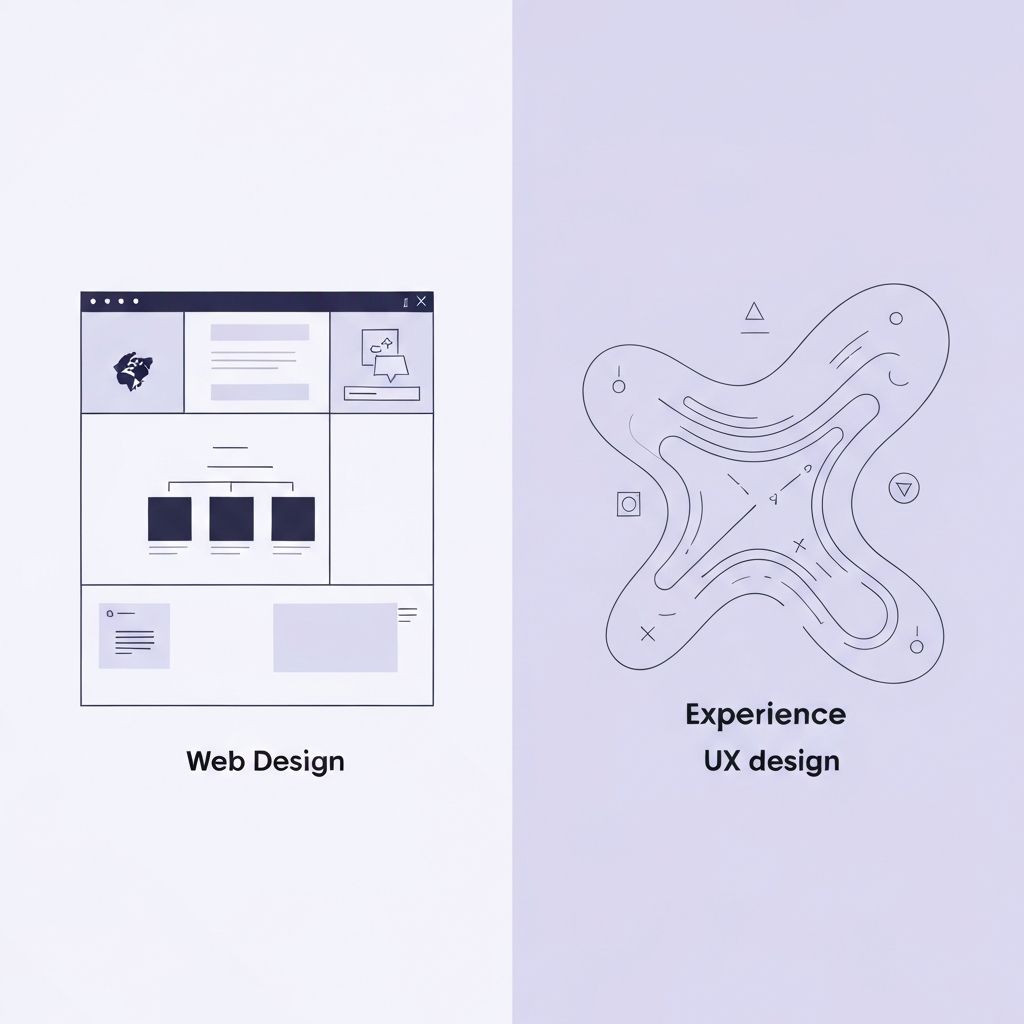
Web Design vs UX Design: Why the Distinction Matters
Web design and UX design are often used as if they mean the same thing, but they are not identical. They overlap, they support each other, and the best digital products use both. Understanding the difference helps brands hire the right people, set the right expectations, and build websites and apps that not only look modern but also work beautifully for real users.
This guide breaks down how web design and UX design differ, where they intersect, and how a smart team combines them to create a complete, high-performing experience.
Hire AAMAX.CO for Web Design and Development Services
Bridging web design and UX design takes a partner that understands both worlds. AAMAX.CO is a full service digital marketing company that helps brands across the globe build websites and applications that are visually strong and user-friendly. Their team blends UX research, visual design, development, and SEO into one cohesive process. They work with clients to map user journeys, design clear interfaces, and ship high-quality websites that perform on every device and search engine.
What Is Web Design?
Web design focuses on the look and feel of a website. It covers layout, color, typography, imagery, branding, and the overall visual style of pages. Web designers think about how a site presents information, how it expresses a brand, and how it guides the eye through content.
Traditional web designers may also handle some lightweight implementation, especially with platforms like Webflow or WordPress. Their core deliverables include mockups, style guides, page layouts, and visual systems that developers can build from.
What Is UX Design?
UX design, or user experience design, focuses on how a product feels to use. UX designers care about user research, information architecture, user flows, wireframes, prototyping, and usability testing. They aim to make experiences intuitive, efficient, and satisfying.
UX is not limited to websites. It applies to apps, software, kiosks, devices, and even physical services. On the web, UX designers ensure that visitors can complete tasks quickly, understand what to do next, and trust the experience along the way.
Where Web Design and UX Design Overlap
The two disciplines share a lot of ground. Both care about clarity, usability, and brand consistency. Both consider responsive behavior, accessibility, and performance. In smaller teams, one designer might wear both hats, handling research, wireframes, and final visuals all at once.
The shared goal is simple: a website that helps users accomplish what they came to do, while reflecting the brand and supporting business goals. Website design that ignores UX often looks polished but performs poorly, while UX work without strong visual design can feel dry and forgettable.
Where They Differ in Focus
The biggest difference is emphasis. Web design leans toward visual identity, aesthetics, and craft. UX design leans toward research, structure, and behavior. A web designer might spend hours perfecting a hero section, while a UX designer might spend the same time analyzing where users drop off in a checkout flow.
Both perspectives are valuable. The best teams move fluidly between them, using research to guide visuals and visuals to support usability.
Tools and Deliverables
Web designers often work in tools focused on visual fidelity, producing high-resolution mockups, style tiles, and pattern libraries. UX designers tend to work with wireframes, flow diagrams, journey maps, and clickable prototypes. Many tools, like Figma, support both workflows in a single environment, making collaboration easier than ever.
Common UX deliverables include user personas, sitemaps, low-fidelity wireframes, and test reports. Common web design deliverables include mood boards, typography systems, color palettes, and final UI screens.
Process: From Research to Visuals
A healthy process usually starts with UX work: understanding users, defining goals, mapping flows, and sketching wireframes. Once the structure is solid, web design takes over, applying brand identity, refining typography, choosing imagery, and crafting a polished visual system.
This sequence prevents expensive rework. When visuals are designed before structure, teams often discover usability problems too late, requiring layout changes that ripple through every page.
UX in Web Application Design
UX becomes even more important in web applications, where users spend long periods of time interacting with complex features. A small inconvenience that feels minor on a marketing page can become a major frustration in a tool used every day. Web application development teams that prioritize UX from day one ship products that are easier to learn, faster to use, and more likely to retain users over time.
Web Design in Marketing Sites
On marketing sites, visual design carries a heavier weight. Visitors form impressions in seconds, and strong brand visuals make the difference between a memorable site and a forgettable one. However, even here UX matters: clear navigation, fast load times, and intuitive forms still drive conversions and retention.
Hiring Decisions: One Specialist or Both?
For small projects, hiring a generalist who handles both web and UX design can be efficient. For larger projects with complex flows, dedicated UX and visual designers usually produce better results. Some teams add UX writers, accessibility specialists, and motion designers as the project scales.
Rather than choosing one over the other, smart leaders see web design and UX design as complementary investments. Website development partners that treat both seriously deliver products that feel coherent from research to launch.
Measuring Success
UX success is often measured through behavioral metrics: task completion, time on task, error rates, and qualitative feedback from users. Web design success is often measured through brand perception, engagement, and conversion rates.
The two often align. A site that is easier to use is also more likely to convert. A site that feels more credible is also easier to trust. Tracking both kinds of metrics gives a fuller picture of how the experience is performing.
Conclusion
Web design and UX design are not rivals; they are partners. One shapes how a site looks and feels, the other shapes how it works and behaves. Combining them produces websites and applications that are visually strong, easy to use, and aligned with business goals. With a thoughtful approach and the right team, any brand can move beyond the false choice between the two and invest in both, building digital experiences that truly stand out.