
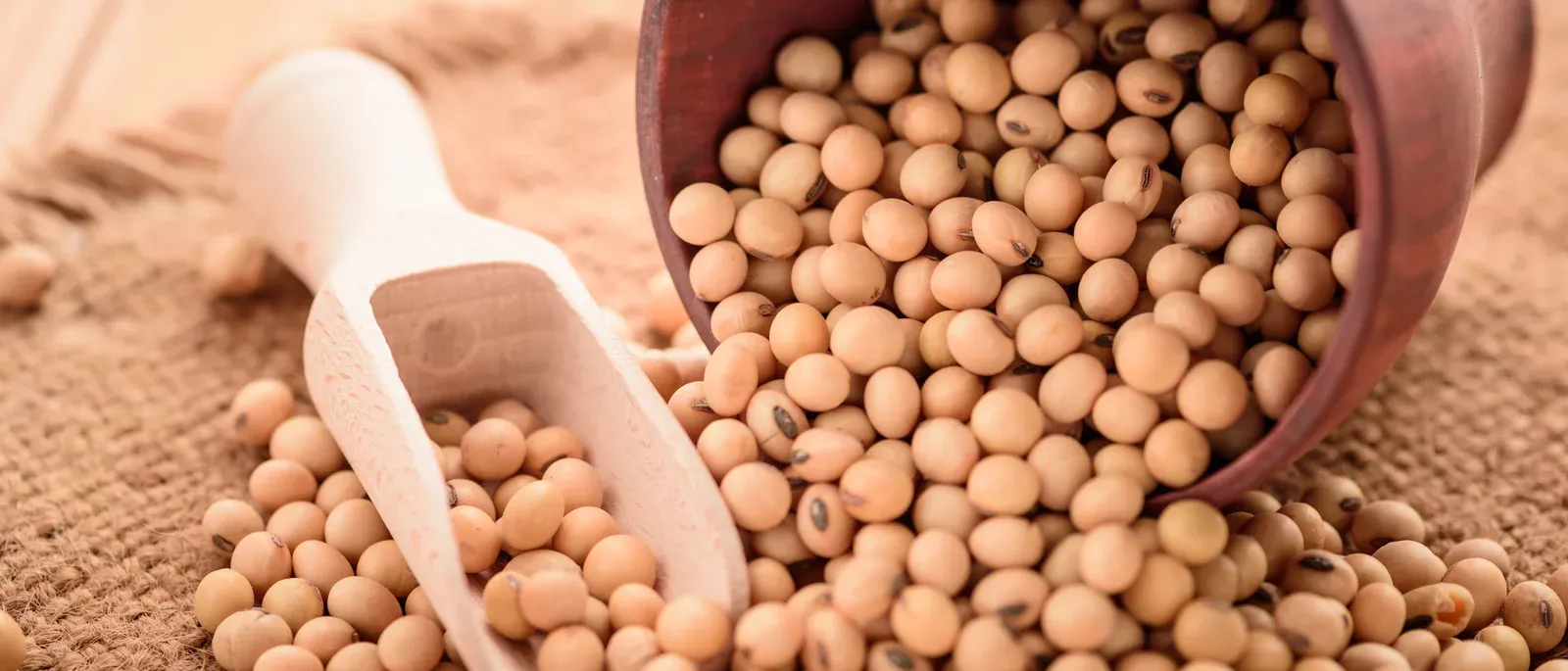
Soy is one of the most versatile and widely used ingredients in modern diets. From soy milk and tofu to soy sauce and protein powders, soy appears in countless foods across global cuisines. But for people living with celiac disease, gluten intolerance, or non-celiac gluten sensitivity, one important question arises: Is soy a gluten-free food?
Understanding whether soy contains gluten is essential for safe eating, especially because soy is often processed, mixed with other ingredients, or used in packaged foods where gluten can hide. This detailed guide explores everything you need to know about soy and gluten—from the plant itself to processed soy foods, gluten risks, cross-contamination, and safe choices.
What Exactly Is Soy?
Soy, also called soybean, is a type of legume native to East Asia. It is known for its rich protein content, versatility, and nutritional value. Common forms of soy include:
- Whole soybeans (edamame, roasted soy nuts)
- Soy milk
- Tofu
- Tempeh
- Soy flour
- Textured vegetable protein (TVP)
- Soy sauce
- Miso
- Soy protein isolates
Is Soy Naturally Gluten-Free?
The short answer is yes:
Soybeans are naturally gluten-free.
Gluten is a protein found in wheat, barley, rye, and their derivatives. Soybeans, being legumes, contain no gluten on their own.
This means that whole soy foods—such as plain soybeans, tofu made from soy and water, or pure soy milk—are naturally safe for gluten-free diets as long as no gluten-containing ingredients are added during processing.
However, the complication arises when soy is used in processed foods or combined with other ingredients. Many soy products become unsafe due to:
- Added wheat
- Fermentation with gluten-containing grains
- Production in facilities that handle gluten
- Seasoning blends with gluten
- Cross-contamination during packaging
Which Soy Products Are Gluten-Free?
Let’s break down the most common soy foods and determine which are naturally gluten-free and which require extra caution.
### 1. Soybeans (Edamame)
Gluten-Free: Yes
Caution: Minimal, unless packaged with flavored seasonings.
Edamame (young green soybeans) is a naturally gluten-free snack. Plain, steamed, or roasted edamame is safe. Issues arise only with flavored varieties, which may contain wheat-based seasonings or soy sauce.
2. Soy Milk
Gluten-Free: Usually
Caution: Check for additives, thickeners, or flavor mixes.
Most soy milk brands are gluten-free, but some may include barley malt, flavoring agents, or stabilizers containing gluten derivatives. Always verify the label, especially on:
- Chocolate soy milk
- Vanilla soy milk
- Barista blends
3. Tofu
Gluten-Free: Yes, but can vary
Caution: Flavor-infused, baked, or marinated tofu may include gluten.
Pure tofu is naturally gluten-free, made from soybeans, water, and a coagulating agent. However, pre-seasoned or pre-marinated tofu often includes:
- Soy sauce (typically made with wheat)
- Teriyaki or miso glazes
- Flavored broths containing wheat
4. Tempeh
Gluten-Free: Sometimes
Caution: Many tempeh products use wheat-based grains.
Traditional Indonesian tempeh is created by fermenting soybeans with a fungus called Rhizopus. Sometimes additional grains are added. This is where gluten can enter the product.
Tempeh varieties to watch out for include:
- 5-grain tempeh (may include wheat berries)
- Barley tempeh
- Spelt tempeh
- Oat-based blends (unless certified gluten-free)
5. Miso
Gluten-Free: Varies
Caution: Many miso pastes include barley or wheat.
Traditional miso is a fermented paste usually made from soybeans and rice. However, many commercial miso brands use barley (mugi miso) or wheat during the fermentation process.
To keep it gluten-free, look for:
- Kome miso (rice miso)
- Shiro miso (white miso made from rice)
- Certified gluten-free miso brands
6. Soy Flour
Gluten-Free: Yes
Caution: Cross-contamination is common during milling.
Soy flour is naturally gluten-free, but many processing facilities handle wheat flour as well. This makes cross-contact highly likely unless the product is certified gluten-free.
7. Soy Protein (Isolate, Concentrate)
Gluten-Free: Usually
Caution: Often found in protein powders or bars mixed with gluten ingredients.
Soy protein isolate used as a raw ingredient is typically gluten-free. Danger arises when it’s added to products like:
- Protein shakes
- Snack bars
- Meat substitutes
- Protein cookies
Soy Products That Commonly Contain Gluten
Some soy-based foods are NOT gluten-free unless specifically labeled otherwise. Let's explore the most common examples.
1. Traditional Soy Sauce
Not Gluten-Free (except special versions)
Traditional soy sauce is fermented using:
- Soybeans
- Wheat
- Salt
- Water
Safe alternative:
Look for tamari, a Japanese-style soy sauce made with little or no wheat. Only purchase tamari labeled as certified gluten-free, since some versions still include wheat.
2. Teriyaki Sauce
Teriyaki sauce nearly always contains:
- Wheat-based soy sauce
- Thickening agents containing gluten
3. Seitan (Wheat Meat)
Although seitan sometimes contains soy-based seasonings, it is made from wheat gluten, making it strictly off-limits.
Never confuse soy-based products with seitan despite their similar uses in vegan cooking.
4. Vegetarian “Meat Alternatives”
Many plant-based meats use soy as a base but still include:
- Wheat gluten (for elasticity)
- Breadcrumbs
- Soy sauce containing wheat
- Malt flavoring
- Vegan chicken strips
- Vegan burgers
- Soy-based sausages
5. Miso Soup in Restaurants
Even if miso paste is gluten-free, the soup often includes:
- Soy sauce containing wheat
- Flavor enhancers derived from wheat
- Broth ingredients containing gluten
Cross-Contamination Risks With Soy Products
Even if soy is naturally gluten-free, cross-contamination can occur at various stages:
1. During farming
Fields may rotate between soybeans and wheat, leading to possible contamination.
2. During processing
Manufacturers often use the same machinery to process:
- Soybeans
- Wheat flour
- Barley products
3. During packaging
Shared equipment and facilities increase cross-contact risk.
4. In restaurants
Common kitchen practices involve:
- Shared fryers
- Cutting boards
- Marinades
- Sauces containing wheat
Gluten-Free Soy Options to Include in Your Diet
These soy options are typically safe and easy to find gluten-free:
- Plain edamame
- Pure soy milk
- Plain tofu
- Tempeh made from soy only
- Soy flour (certified gluten-free)
- Tamari (certified gluten-free)
- Gluten-free miso paste (rice-based)
- Soy protein isolate with a gluten-free label
“Gluten-Free”
“Certified Gluten-Free”
“Wheat-Free” (not enough on its own, but helpful)
How to Read Labels on Soy Products
Understanding food labels is essential to avoid hidden gluten. Look out for:
Ingredients That Indicate Gluten
- Wheat
- Barley
- Rye
- Malt (unless labeled gluten-free)
- Hydrolyzed wheat protein
- Modified wheat starch
Ingredients That Are Safe
- Soybeans
- Soy lecithin
- Soy oil
- Fermented soybeans
- Rice-based ingredients
Watch for “contains wheat” allergen statements
In many countries, allergens like wheat must be clearly listed under a "contains" statement. This can help quickly identify unsafe products.
Is Soy Safe for People With Celiac Disease?
Yes—soy can be safe, but only if it is in its pure form or confirmed gluten-free. Due to widespread contamination and soy sauce use in processed foods, people with celiac disease should:
- Avoid regular soy sauce
- Choose gluten-free tamari
- Verify tofu and tempeh ingredients
- Be cautious of processed vegan products
- Verify miso and fermented soy products
Why Some People Think Soy Contains Gluten
There are several misunderstandings:
1. Soy Sauce Confusion
Because soy sauce commonly contains wheat, many assume soybeans contain gluten. This is false—soy sauce’s gluten comes from added wheat, not soy.
2. Mislabeling in Restaurants
Many menus list “soy” or “soy-based sauce” without clarifying ingredients, leading people to avoid soy altogether.
3. Similarity to Other Allergens
Some people confuse soy intolerance with gluten intolerance. These are two separate sensitivities.
Health Benefits of Gluten-Free Soy
When used safely, soy offers excellent nutrition for gluten-free diets:
1. High-Quality Protein
Soy contains all nine essential amino acids, making it a complete protein source.
2. Rich in Vitamins and Minerals
Soy provides:
- Iron
- Calcium
- Magnesium
- B vitamins
- Potassium
3. Heart Health Benefits
Studies link soy consumption to:
- Lower LDL cholesterol
- Better heart health
- Reduced cardiovascular risk
4. Lactose-Free Dairy Alternative
Soy milk, tofu, and soy yogurt are popular alternatives for people who are also lactose intolerant.
Final Verdict: Is Soy Gluten-Free?
Yes—soy is naturally gluten-free, but many soy foods are not gluten-free due to added ingredients or cross-contamination.
To safely enjoy soy on a gluten-free diet:
- Stick to plain, unprocessed soy foods
- Choose gluten-free certified products
- Avoid soy sauce unless labeled gluten-free
- Check labels carefully
- Be cautious with restaurant dishes and processed vegan foods