
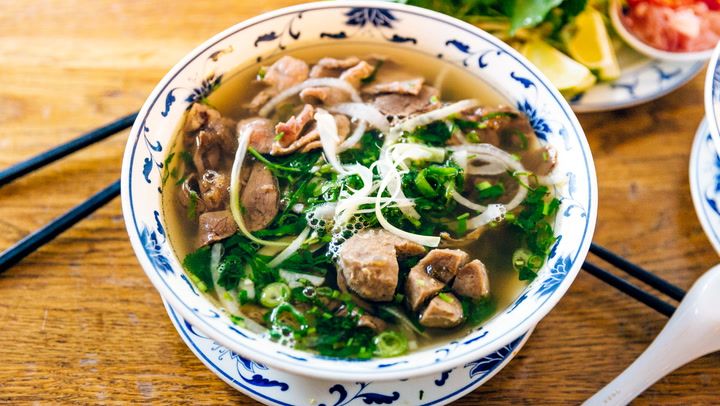
Pho, the iconic Vietnamese noodle soup, has become a global comfort food—praised for its aromatic broth, fresh herbs, and customizable toppings. But with its rising popularity, an important question often comes up: Is pho actually healthy?
The answer is: Yes, pho can be a healthy meal—but it depends on the ingredients, preparation style, and portion size.
This in-depth guide explores pho’s nutritional value, health benefits, potential downsides, and tips to make it healthier. Whether you’re a casual food lover or a nutrition-conscious eater, this comprehensive breakdown will help you understand how pho fits into a balanced lifestyle.
What Is Pho?
Pho (pronounced “fuh”) is a traditional Vietnamese soup typically made with:
- A savory, slow-simmered broth
- Rice noodles (called bánh phở)
- Protein such as beef, chicken, tofu, or seafood
- Fresh herbs like basil, cilantro, and mint
- Bean sprouts, lime, chili peppers, and onions
Pho Bo (Beef Pho)
Made with beef bones, marrow, charred onions, ginger, cinnamon, cloves, and star anise. It’s rich, aromatic, and flavorful.
Pho Ga (Chicken Pho)
A lighter version prepared with chicken broth and tender chicken slices, often preferred by those seeking a milder soup.
Because pho is customizable, its nutritional profile varies widely. However, its foundation—broth, lean protein, and herbs—often makes it a naturally nutritious meal.
Nutritional Profile of Pho
While recipes differ, here is the nutritional breakdown for a typical bowl of beef or chicken pho (approx. 500–700 ml serving):
| Nutrient | Amount |
| - | - |
| Calories | 350–550 kcal |
| Protein | 20–35 g |
| Carbohydrates | 40–60 g |
| Fat | 5–15 g |
| Sodium | 900–2000 mg (varies greatly) |
| Fiber | 2–4 g |
This profile shows pho can be a balanced meal with carbohydrates (rice noodles), protein (meat), small amounts of fat, and vitamins/minerals from herbs and broth.
Health Benefits of Pho
Pho offers several nutritional and health benefits due to its fresh ingredients and nutrient-dense components.
1. Rich Source of Protein
Most bowls of pho include beef, chicken, tofu, or seafood—each providing high-quality protein.
Protein is essential for:
- Muscle repair and growth
- Immune function
- Hormone production
- Feeling full longer
2. Nutrient-Dense Broth
Pho broth is simmered for several hours with bones, connective tissue, and spices. This process extracts nutrients such as:
- Collagen
- Gelatin
- Amino acids
- Minerals (calcium, magnesium, potassium)
- Joint health
- Skin elasticity
- Gut health
- Immune function
3. Packed With Fresh Herbs and Vegetables
The herb plate served with pho isn’t just for decoration. Basil, cilantro, bean sprouts, lime, peppers, and green onions offer:
- Antioxidants
- Anti-inflammatory compounds
- Vitamin C
- Vitamin K
- Fiber
4. Gluten-Free (Typically)
Pho noodles are made from rice, not wheat—making pho naturally gluten-free. This makes it a great option for:
- Gluten-sensitive individuals
- People with celiac disease
- Those following gluten-free diets
5. Balanced Meal in One Bowl
Pho can contain all three macronutrients:
- Protein from meat or tofu
- Carbohydrates from rice noodles
- Healthy fats from broth and meat
6. Low in Saturated Fat (Depending on the Cut of Meat)
Chicken pho and lean beef cuts (like eye-round steak) are lower in saturated fat than fatty meats. Many restaurants also skim excess fat from the broth.
7. Hydrating and Easy to Digest
Because pho is liquid-based, it provides hydration and is gentle on the stomach—making it ideal for:
- Sick individuals
- People recovering from illness
- Those with weak appetite
- Light meals during hot weather
Potential Downsides of Pho
While pho has numerous benefits, some aspects can increase calorie or sodium levels.
1. High Sodium Content
The biggest nutritional concern with pho is sodium.
Restaurant pho often contains:
- 1000–2000+ mg sodium per bowl
- That’s nearly the whole daily recommended limit (2300 mg)
- High blood pressure
- Fluid retention
- Cardiovascular issues
2. Portion Size Can Be Large
A standard bowl of pho can be quite big. More noodles means:
- More calories
- More carbohydrates
- Higher glycemic load
3. Noodles Are High in Carbs
Rice noodles are gluten-free but carbohydrate-dense. This isn't bad—but can cause:
- Blood sugar spikes
- Overeating due to the soft texture
- Higher calorie intake
4. Fatty Cuts of Beef Increase Calories
Brisket, tripe, meatballs, and fatty steak cuts can increase:
- Saturated fat
- Cholesterol
- Total calories
5. Condiments Add Hidden Calories
Many people love adding:
- Hoisin sauce
- Sriracha
- Fish sauce
- Chili oil
For example:
- 1 tablespoon hoisin = 20+ calories + added sugar
- 1 tablespoon sriracha = 100 mg sodium
Is Pho Good for Weight Loss?
Pho can support weight loss when eaten mindfully.
How Pho Helps with Weight Loss:
- High protein keeps you full
- Broth provides volume with fewer calories
- Herbs and veggies add fiber
- Lean meat reduces fat intake
How Pho Can Hinder Weight Loss:
- Large portions = high calories
- Too many noodles = too many carbs
- Fatty cuts of meat increase calories
- Sodium may cause water retention
- Less noodles
- Lean meat
- More vegetables
- Minimal sauces
Is Pho Good for People With Diabetes?
It can be—but with adjustments.
Pros for Diabetics:
- High protein
- Low fat (if lean meat is used)
- Fresh herbs improve nutrient intake
Concerns:
- Rice noodles spike blood sugar
- Broth may contain sugar
Diabetic-Friendly Tips:
- Ask for half the noodles
- Add extra vegetables
- Choose chicken pho
- Avoid sugary sauces
- Limit the broth if it contains MSG or sugar
Is Pho Good for the Gut?
Yes—if prepared properly.
Benefits for Gut Health:
- Bone broth provides gelatin and minerals
- Herbs like basil and cilantro reduce inflammation
- Ginger aids digestion
- Bean sprouts add gut-friendly fiber
Is Pho Good for Immune Support?
Pho contains:
- Garlic
- Ginger
- Warm broth
- Vitamin-rich herbs
Chicken pho, in particular, is commonly eaten when someone is sick because it is comforting, hydrating, and easy to digest.
Healthiest Types of Pho
While all pho types can be healthy, some stand out more.
1. Pho Ga (Chicken Pho)
- Lower in calories
- Lower in fat
- Easier to digest
- Ideal for light meals
2. Lean Beef Pho (Eye-Round Steak)
Provides protein with less fat.
3. Vegetarian Pho
Uses vegetable broth and tofu—lower in calories, fat, and sodium (if broth is homemade).
4. Seafood Pho
Shrimp or fish pho provides lean protein and omega-3s.
Tips to Make Pho Healthier
Here are easy modifications to turn pho into a high-nutrient, balanced meal.
1. Choose Lean Proteins
- Chicken breast
- Eye-round steak
- Tofu
- Shrimp
2. Reduce Noodle Portions
Ask for:
- Half noodles
- Extra vegetables instead
- Zucchini noodles (in some modern restaurants)
3. Load Up on Vegetables
Add:
- Bean sprouts
- Basil
- Cilantro
- Jalapeños
- Extra onions
- Bok choy (optional)
4. Limit Condiments
Use:
- Minimal hoisin
- Minimal sriracha
- Less fish sauce
- No chili oil if reducing fat
5. Drink Less Broth if Sodium is a Concern
Or request low-sodium broth if available.
6. Avoid Fried Sides
Skip:
- Fried spring rolls
- Extra noodles
- Sugary drinks
How Often Can You Eat Pho?
You can enjoy pho a few times per week, provided:
- You choose lean protein
- Avoid excessive sodium
- Don’t overload with noodles
- Limit sugary sauces
Final Verdict: Is Pho Healthy?
Yes, pho can be a healthy, nutrient-rich meal when balanced with lean protein, plenty of herbs, controlled noodle portions, and minimal added sauces.
It offers:
- Protein for muscle and fullness
- Anti-inflammatory herbs
- Nutritious broth
- Vitamins and minerals
- Hydration and easy digestibility
- High sodium
- Large noodle portions
- Fatty meats
- Added sauces