
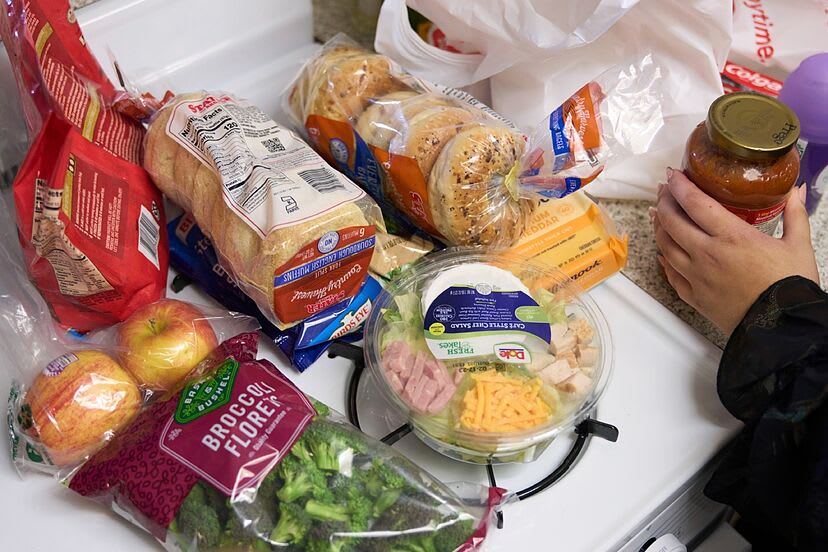
The Supplemental Nutrition Assistance Program (SNAP), commonly known as food stamps, is one of the most important assistance programs for low-income Americans. Many people who receive Supplemental Security Income (SSI) also qualify for SNAP benefits because SSI recipients typically have limited income and resources.
However, one of the most common questions people ask is: How much food stamps do SSI recipients actually get each month?
The answer depends on several factors such as income, household size, expenses, and living arrangements. Some SSI recipients may receive close to the maximum SNAP benefit, while others may receive a smaller amount.
This guide explains how SNAP benefits work for SSI recipients, the typical monthly amounts, how benefits are calculated, and what factors affect the amount you receive.
Understanding SSI and SNAP
Before discussing the exact amount SSI recipients may receive in food stamps, it is important to understand how these two programs work.
What Is SSI?
Supplemental Security Income (SSI) is a federal program administered by the Social Security Administration. It provides monthly payments to people who have limited income and resources and who are:
- Disabled
- Blind
- Age 65 or older
SSI is designed to help individuals cover basic living costs such as food, shelter, and clothing. In 2025, the maximum federal SSI payment is about $967 per month for individuals and $1,450 for couples, although the exact amount may vary depending on state supplements and living arrangements.
What Is SNAP (Food Stamps)?
SNAP is a federal program that helps low-income households purchase groceries. Instead of paper food stamps, benefits are issued through an Electronic Benefit Transfer (EBT) card, which works like a debit card at participating grocery stores.
SNAP benefits can be used to buy:
- Fruits and vegetables
- Meat, poultry, and fish
- Dairy products
- Bread and cereals
- Seeds and plants used to grow food
However, SNAP cannot be used to buy non-food items such as household supplies, alcohol, tobacco, or prepared hot foods. ([AP News][2])
Many SSI recipients qualify for SNAP because their income is within the eligibility limits.
Average SNAP Benefits in the United States
Across the United States, SNAP benefits vary widely depending on income and household size.
Recent data shows that the average SNAP benefit is about $188 per person per month and about $350 per household. ([Pew Research Center][3])
However, these averages include millions of households with different income levels. SSI recipients often receive amounts within or slightly above the average range depending on their circumstances.
Typical Food Stamp Amounts for SSI Recipients
SSI recipients may receive a wide range of SNAP benefits depending on their financial situation.
For many individuals who receive SSI and live alone, the monthly SNAP benefit often falls between:
$100 and $292 per month
The upper number represents the maximum benefit for a single-person household with little or no additional income. ([withpurple.com][4])
Some recipients may receive less if they have additional income, share food costs with others, or have lower allowable expenses.
Maximum SNAP Benefits by Household Size
SNAP sets a maximum monthly allotment based on the number of people in a household. For the 2026 fiscal year, the maximum benefits are approximately:
| Household Size | Maximum Monthly SNAP Benefit |
|---|---|
| 1 person | $292 |
| 2 people | $536 |
| 3 people | $768 |
| 4 people | $975 |
| 5 people | $1,158 |
| 6 people | $1,390 |
| 7 people | $1,536 |
| 8 people | $1,756 |
These amounts represent the maximum benefit households can receive if they have little or no countable income. ([kellyskitchen][5])
Because SSI payments count as income in SNAP calculations, many SSI recipients receive somewhat less than the maximum.
Why SSI Recipients Often Qualify for SNAP
People receiving SSI often meet the requirements for SNAP because they typically have:
- Limited income
- Few resources
- High living expenses
- Disability or age-related needs
Households with elderly or disabled members only need to meet the net income test, which makes it easier to qualify for benefits.
This rule helps ensure that people with disabilities or seniors can still access food assistance even if their gross income slightly exceeds standard limits.
How SNAP Calculates Benefits
SNAP benefits are calculated using a formula that considers income, household size, and expenses.
The basic calculation works like this:
- Determine the maximum benefit for the household size.
- Calculate the household's net income after deductions.
- Multiply net income by 30%.
- Subtract that amount from the maximum benefit.
The final number becomes the monthly SNAP benefit.
The reason for the 30% rule is that SNAP assumes households should spend about 30% of their income on food, and the program fills the gap between what they can afford and the cost of a basic nutritious diet.
Factors That Affect How Much SNAP SSI Recipients Receive
Several factors influence the amount of SNAP benefits an SSI recipient may receive.
Household Size
The number of people in a household is one of the biggest factors.
For example:
- A single SSI recipient living alone may receive around $100–$292.
- A couple receiving SSI together may qualify for significantly more.
Households with more members receive higher maximum benefits.
Income
Even though SSI recipients have limited income, SNAP still counts SSI payments when determining benefits.
If someone receives additional income from sources such as:
- Part-time work
- SSDI
- Retirement benefits
- Family support
their SNAP benefits may be reduced.
Housing Costs
Higher housing costs can increase SNAP benefits.
Expenses that may be deducted include:
- Rent or mortgage
- Utilities
- Property taxes
- Home insurance
These deductions lower the household’s net income, which can increase SNAP eligibility and benefit amounts.
Medical Expenses
Households with elderly or disabled members can deduct medical expenses exceeding $35 per month.
Examples include:
- Prescription medications
- Medical equipment
- Doctor visits
- Transportation for medical care
These deductions can increase SNAP benefits by reducing countable income.
Living Situation
Where and how someone lives can also affect SNAP benefits.
For example:
- Living alone and purchasing your own food may increase benefits.
- Living with others who share meals may reduce eligibility.
- Receiving free food or meals from others may lower benefits.
These factors are taken into account during the SNAP eligibility review.
Minimum SNAP Benefit for SSI Recipients
Even if income reduces SNAP eligibility, many households still qualify for a minimum benefit.
For small households, the minimum SNAP benefit is typically around $23 per month.
While this amount is relatively small, it still provides some support for grocery purchases.
Can SSI Recipients Automatically Qualify for SNAP?
In many cases, SSI recipients qualify for SNAP more easily than other applicants.
Some states provide categorical eligibility, meaning people receiving SSI automatically meet certain requirements for SNAP.
However, recipients must still:
- Apply for benefits
- Provide financial documentation
- Complete an eligibility interview
Each state administers SNAP individually, so exact procedures may vary.
Does SNAP Affect SSI Benefits?
One important concern for many recipients is whether food stamps will reduce their SSI payments.
The good news is that SNAP benefits do not count as income for SSI.
This means receiving food stamps will not reduce your SSI check.
Instead, SNAP is designed to supplement SSI and help recipients afford food without affecting their cash assistance.
How to Apply for SNAP as an SSI Recipient
SSI recipients can apply for SNAP through several methods depending on their state.
Common application methods include:
- Online through a state benefits website
- By phone through the SNAP office
- In person at a local assistance office
- By mail using a paper application
Applicants typically need to provide documents such as:
- SSI award letter
- Identification
- Proof of address
- Utility bills
- Bank statements
After submitting the application, most applicants complete an interview by phone or in person.
How Long SNAP Benefits Last
SNAP benefits are usually approved for a certification period, which may last between 6 and 24 months.
During this time, recipients must report certain changes, such as:
- Income increases
- Changes in household size
- Moving to a new address
At the end of the certification period, recipients must complete a renewal process to continue receiving benefits.
Why SNAP Is Important for SSI Recipients
SSI payments alone are often not enough to cover all living expenses.
Food prices continue to rise, and many disabled or elderly individuals struggle to afford groceries.
SNAP helps by:
- Increasing food purchasing power
- Reducing food insecurity
- Allowing recipients to afford healthier foods
- Supporting independence for people with disabilities
For many SSI recipients, SNAP benefits are essential for maintaining a stable and nutritious diet.
Common Misconceptions About SSI and Food Stamps
Several myths exist about SSI and SNAP benefits.
Myth: SSI Recipients Always Get the Maximum SNAP Amount
In reality, most SSI recipients receive less than the maximum because SSI income is included in SNAP calculations.
Myth: SNAP Reduces SSI Payments
SNAP does not count as income for SSI, so it does not reduce SSI benefits.
Myth: Only Families Qualify for SNAP
Single adults, seniors, and disabled individuals—including SSI recipients—can qualify for SNAP.
Final Thoughts
SSI recipients can receive SNAP benefits to help cover the cost of groceries, but the exact amount varies depending on income, household size, and expenses.
In general:
- Many SSI recipients receive between $100 and $292 per month in SNAP benefits.
- The maximum benefit for a single person is about $292.
- The average benefit nationwide is around $188 per person per month.
Although the amount may vary, SNAP plays a critical role in helping SSI recipients meet their nutritional needs and maintain financial stability.