
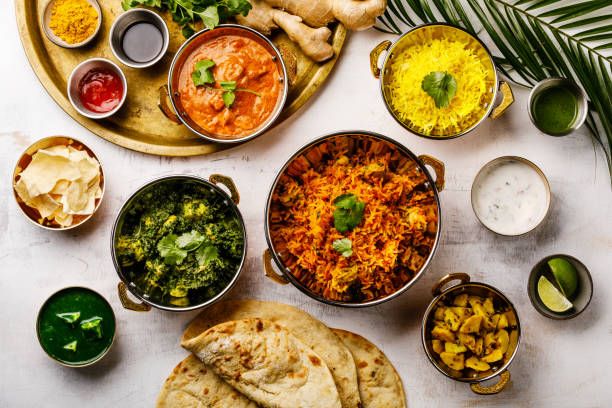
Indian food is one of the most diverse and flavorful cuisines in the world. From simple home-cooked dals and sabzis to rich restaurant-style curries and festive sweets, Indian cuisine reflects thousands of years of history, geography, culture, and traditional wisdom. But a common question often arises, especially in modern health conversations: Is Indian food healthy?
The answer is not a simple yes or no. Indian food can be extremely healthy, balanced, and nourishing when prepared and eaten mindfully. At the same time, certain modern adaptations, excessive portions, and restaurant-style versions can make it less healthy. This article explores Indian food in depth—its nutritional foundations, benefits, challenges, and how it fits into a healthy lifestyle.
Understanding Indian Cuisine Beyond Stereotypes
When people think of Indian food, they often imagine oily curries, creamy gravies, butter-laden naan, and sugary desserts. While these foods exist, they represent only a small portion of Indian cuisine.
Traditional Indian diets vary widely by region, climate, and availability of local ingredients. A rural home-cooked meal in South India looks very different from a Punjabi household’s lunch or a Bengali dinner. Indian food is not one cuisine, but many cuisines tied together by shared principles like spice usage, balance, and seasonality.
At its core, Indian food emphasizes:
- Whole grains
- Lentils and legumes
- Fresh vegetables
- Spices with medicinal properties
- Plant-based meals with optional animal protein
The Role of Ayurveda and Traditional Food Wisdom
Indian food is deeply influenced by Ayurveda, an ancient system of health that focuses on balance in the body. According to Ayurveda, food is not just fuel but medicine. Meals are designed to support digestion, immunity, and mental well-being.
Some Ayurvedic principles that shape Indian food include:
- Eating warm, freshly cooked meals
- Balancing the six tastes: sweet, sour, salty, bitter, pungent, and astringent
- Using spices to aid digestion
- Eating according to season and body type
Nutritional Foundations of Indian Food
Abundance of Plant-Based Foods
One of the strongest health advantages of Indian food is its emphasis on plant-based ingredients. Many traditional Indian meals are vegetarian or largely plant-based, making them rich in fiber, vitamins, minerals, and antioxidants.
Common staples include:
- Lentils like moong dal, masoor dal, toor dal
- Beans and legumes like chickpeas, kidney beans, black-eyed peas
- Vegetables such as spinach, bottle gourd, cauliflower, okra, and eggplant
Whole Grains as Staples
Traditional Indian diets rely heavily on whole grains rather than refined ones. Examples include:
- Brown rice
- Hand-pounded rice
- Millets like ragi, jowar, bajra, and foxtail millet
- Whole wheat atta for rotis
High Protein from Natural Sources
Indian food offers multiple natural protein sources, especially for vegetarians:
- Lentils and dals
- Paneer (cottage cheese)
- Yogurt and curd
- Nuts and seeds
- Soy and fermented foods in some regions
The Power of Indian Spices
Spices are one of the defining features of Indian cuisine, and they offer more than just flavor.
Commonly used spices and their benefits include:
- Turmeric: Anti-inflammatory and antioxidant properties
- Ginger: Aids digestion and reduces nausea
- Garlic: Supports heart health and immunity
- Cumin: Improves digestion and metabolism
- Coriander: Helps regulate blood sugar
- Cinnamon: Supports insulin sensitivity
Healthy Cooking Methods in Traditional Indian Homes
Traditional Indian cooking methods tend to preserve nutrients and support digestion when done correctly. These include:
- Slow simmering of dals
- Light sautéing of spices in small amounts of oil
- Steaming foods like idlis and dhoklas
- Pressure cooking legumes for easier digestion
Common Misconceptions About Indian Food
Myth: Indian Food Is Always Oily
While restaurant-style Indian food can be high in oil and butter, home-cooked Indian food often uses minimal oil. Traditional recipes typically call for one to two teaspoons of oil for an entire dish, not excessive amounts.
Myth: Indian Food Is Too Carb-Heavy
Carbohydrates are a part of most cuisines worldwide. Indian meals usually balance carbohydrates with protein, fiber, and fats. When whole grains and proper portions are used, carbohydrates contribute to sustained energy rather than weight gain.
Myth: Indian Food Is Unhealthy for Weight Loss
Indian food can absolutely support weight loss when portion sizes, cooking methods, and ingredient choices are appropriate. Dals, vegetables, curd, and whole grains can be very filling while being nutrient-dense.
When Indian Food Becomes Unhealthy
Despite its strong nutritional foundation, Indian food can become unhealthy under certain conditions.
Overuse of Oil, Ghee, and Butter
Modern adaptations, especially in restaurants, often use excessive oil, ghee, cream, and butter to enhance taste. Regular consumption of such dishes can lead to excess calorie intake and heart-related issues.
Refined Ingredients
Replacing traditional ingredients with refined alternatives reduces nutritional value. Examples include:
- Maida instead of whole wheat
- White rice instead of brown or hand-pounded rice
- Refined vegetable oils instead of traditional oils used in moderation
Excessive Sugar in Sweets and Drinks
Indian sweets are rich in sugar and saturated fat. While they are culturally significant, daily consumption can contribute to obesity, diabetes, and dental issues.
Large Portion Sizes
Even healthy food can become unhealthy if eaten in excess. Modern lifestyles with less physical activity make portion control especially important.
Regional Indian Diets and Their Health Value
South Indian Diet
Traditionally rich in fermented foods like idli, dosa, and curd, South Indian diets support gut health. The use of rice, lentils, coconut, and vegetables provides a balanced nutrient profile when consumed mindfully.
North Indian Diet
North Indian meals often include wheat-based rotis, dals, seasonal vegetables, and dairy. When heavy gravies and excessive butter are limited, this diet can be nourishing and balanced.
Eastern Indian Diet
Eastern Indian cuisine emphasizes fish, rice, mustard oil, and vegetables. Fish provides omega-3 fatty acids, while vegetables and light cooking methods support overall health.
Western Indian Diet
This region offers a mix of vegetarian and non-vegetarian foods, with dishes based on millets, legumes, and spices. Traditional meals are often well-balanced, though some festive foods are high in sugar and fat.
Indian Food and Modern Health Conditions
Diabetes
Indian food can be suitable for people with diabetes when:
- Whole grains replace refined grains
- Sugar intake is limited
- Portions are controlled
- Fiber-rich vegetables are included
Heart Health
Diets rich in lentils, vegetables, spices, and healthy fats in moderation support heart health. Reducing fried foods and excess dairy fats is key.
Gut Health
Fermented foods like curd, buttermilk, idli batter, and pickles in small amounts help maintain a healthy gut microbiome.
How to Make Indian Food Healthier Without Losing Taste
You do not need to give up Indian food to eat healthy. Small changes can make a big difference.
Practical tips include:
- Use less oil and measure it instead of pouring freely
- Prefer steaming, boiling, and sautéing over deep-frying
- Choose whole grains and millets regularly
- Increase vegetable portions in every meal
- Limit restaurant food and cook more at home
- Enjoy sweets occasionally rather than daily
Indian Food Compared to Global Cuisines
When compared to many global diets, traditional Indian food stands strong in terms of:
- Plant diversity
- Use of natural spices
- Balance of macronutrients
- Cultural emphasis on home cooking
Final Verdict: Is Indian Food Healthy?
Indian food can be extremely healthy when prepared traditionally and eaten mindfully. Its foundation of whole grains, lentils, vegetables, spices, and balanced meals supports long-term health, digestion, and disease prevention.
The healthiness of Indian food depends less on the cuisine itself and more on:
- Cooking methods
- Ingredient quality
- Portion sizes
- Frequency of indulgent foods
In essence, Indian food is as healthy as the choices you make within it. With mindful preparation and balanced eating, it can nourish both body and mind for a lifetime.