
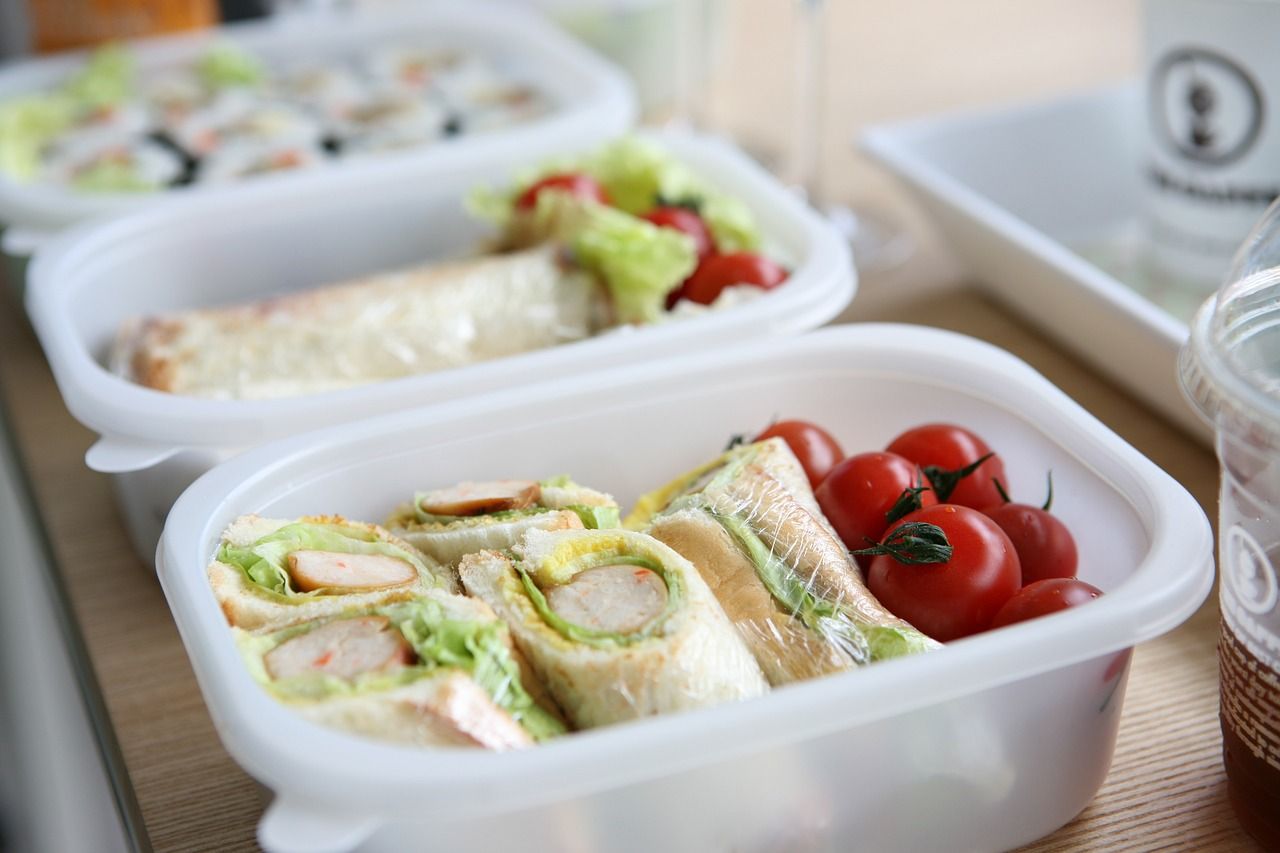
Air travel often raises many practical questions, and one of the most common is: Can I bring food on a plane? Whether you want to save money, meet dietary needs, travel with kids, or simply enjoy your favorite snacks, bringing food onboard can make flying more comfortable. The good news is that in most cases, yes—you can bring food on a plane. However, the rules depend on the type of food, how it’s packed, where you’re flying, and whether it’s in your carry-on or checked baggage.
This in-depth guide explains everything you need to know about bringing food on a plane, including security rules, airline policies, international travel considerations, and practical tips for hassle-free flying.
General Rules for Bringing Food on a Plane
Before diving into specifics, it’s helpful to understand the basic principle followed by airport security and airlines.
In general:
- Solid foods are usually allowed in both carry-on and checked bags.
- Liquids, gels, and semi-liquids are restricted in carry-on luggage and must follow liquid rules.
- International travel introduces additional restrictions, especially for fresh foods.
Carry-On vs Checked Baggage: What’s the Difference?
Food in Carry-On Bags
Carry-on bags are subject to stricter screening rules. Solid foods are usually allowed, but liquids and gels must comply with size restrictions.
Allowed in carry-on:
- Sandwiches
- Bread, rolls, and pastries
- Chips, crackers, cookies
- Dry snacks like nuts or trail mix
- Fruits and vegetables (with exceptions for international travel)
- Solid cheese
- Cooked food like rice, pasta, or curries (without excess liquid)
- Soups, broths, gravies
- Yogurt, pudding, custard
- Sauces, dips, and chutneys over the allowed liquid limit
- Peanut butter and spreads in large quantities
Food in Checked Baggage
Checked baggage is more flexible because it does not go through the same liquid screening.
You can pack:
- Liquid foods in larger quantities
- Frozen foods (if properly packed)
- Spices, oils, and sauces
- Home-cooked meals (with careful packaging)
Liquid Rules and How They Affect Food
One of the biggest sources of confusion is whether food counts as a liquid.
Airport security typically categorizes items as:
- Liquids (water, juice)
- Gels (jelly, jam)
- Spreads (butter, peanut butter)
- Semi-liquids (yogurt, curry with gravy)
- These items must usually be in containers below the allowed size limit
- All containers must fit in a single transparent bag
Bringing Homemade Food on a Plane
Many travelers prefer homemade food for health, comfort, or cultural reasons. In most cases, homemade food is allowed.
Tips for carrying homemade food:
- Keep it dry and solid
- Avoid excess oil or gravy
- Use airtight containers
- Label containers if needed
Can You Bring Snacks on a Plane?
Yes, snacks are one of the easiest types of food to bring on a plane.
Common allowed snacks include:
- Granola bars
- Protein bars
- Biscuits and cookies
- Chips and popcorn
- Dried fruits and nuts
- Chocolate
Bringing Food for Babies and Children
Special allowances are often made for baby food and children’s meals.
You can usually bring:
- Baby formula
- Breast milk
- Baby food jars and pouches
- Milk for toddlers
- Snacks for children
Airline Policies on Bringing Food
While security agencies regulate what passes through checkpoints, airlines control what you can eat onboard.
Most airlines allow passengers to:
- Bring their own food
- Eat personal snacks during the flight
- Strong-smelling foods may disturb other passengers
- Alcohol brought onboard usually cannot be consumed unless served by the airline
- Hot foods may cool quickly and spill easily
Can You Bring Food Through Airport Security?
Yes, food can pass through security screening, but it may require additional inspection.
Security officers may:
- Ask you to remove food from your bag
- Test items for safety
- Inspect homemade meals more closely
- Pack food neatly
- Place it in an easily accessible part of your bag
- Avoid wrapping items in foil, which can trigger alarms
Bringing Food on Domestic Flights
For domestic flights, food rules are generally relaxed.
You can usually bring:
- Fresh fruits and vegetables
- Cooked meals
- Bakery items
- Snacks and sweets
However, some regions restrict certain agricultural products, even on domestic routes, so it’s wise to check local rules if traveling between states or territories.
Bringing Food on International Flights
International travel introduces more complexity due to customs and agricultural laws.
Customs Restrictions
Many countries restrict:
- Fresh fruits and vegetables
- Meat and meat products
- Dairy items
- Seeds and plants
Packaged vs Fresh Food
Packaged, commercially sealed foods are more likely to be allowed than fresh or homemade items.
Safer options for international travel include:
- Factory-sealed snacks
- Dry foods like biscuits and chips
- Instant noodles or packaged meals
- Chocolates and candies
Can You Bring Food Purchased After Security?
Food bought at airport shops or restaurants after security is generally allowed on the plane.
Benefits include:
- No liquid restrictions for items purchased airside
- Less hassle at security
- Easier compliance with rules
Bringing Frozen or Cold Food on a Plane
Frozen food can be tricky but is often allowed.
Key points:
- Frozen food must be completely solid at screening
- Ice packs are usually allowed if frozen solid
- Partially melted ice packs may be considered liquid
Special Diets and Medical Needs
Passengers with dietary restrictions often rely on bringing their own food.
Common reasons include:
- Food allergies
- Religious dietary laws
- Medical diets
- Vegan or gluten-free needs
- Inform the airline in advance
- Carry documentation if required
- Pack enough food in case of delays
Cultural and Courtesy Considerations
Even if food is allowed, courtesy matters.
Avoid bringing:
- Strong-smelling foods
- Foods that create crumbs or mess
- Items that require heating or assembly
Tips for Packing Food for a Flight
Packing food properly can prevent spills, spoilage, and stress.
Helpful tips:
- Use leak-proof containers
- Double-bag items
- Bring reusable cutlery
- Pack napkins and wipes
- Choose foods that taste good at room temperature
Common Mistakes to Avoid
Travelers often run into problems because of small mistakes.
Avoid:
- Packing liquid foods in carry-on bags
- Forgetting to declare food at customs
- Carrying perishable food on long trips
- Using foil or bulky packaging
- Assuming all foods are treated the same
Frequently Asked Questions About Bringing Food on a Plane
Can I bring fast food on a plane?
Yes, fast food like burgers or fries is usually allowed, but it may not travel well and could bother other passengers due to smell.
Can I bring alcohol-infused food?
Foods with alcohol content are usually allowed, but consuming personal alcohol onboard is often restricted.
Can I bring spices or powders?
Yes, spices and powders are allowed, but large quantities may require additional screening.
Can I bring food in foil?
Foil is allowed but not recommended, as it can slow down security screening.
Final Answer: Can I Bring Food on a Plane?
Yes, you can bring food on a plane, and in many cases, it’s encouraged—especially for comfort, savings, and dietary needs. Solid foods are generally allowed in carry-on and checked bags, while liquids and gels face restrictions. Domestic flights are more flexible than international ones, and customs rules play a major role when crossing borders.
The key to stress-free travel is understanding the difference between solid and liquid foods, packing wisely, and checking rules for your destination. With proper planning, bringing food on a plane can be easy, convenient, and perfectly acceptable.
Whether it’s a simple snack, a homemade meal, or special dietary food, knowing the rules helps you fly with confidence and comfort.