
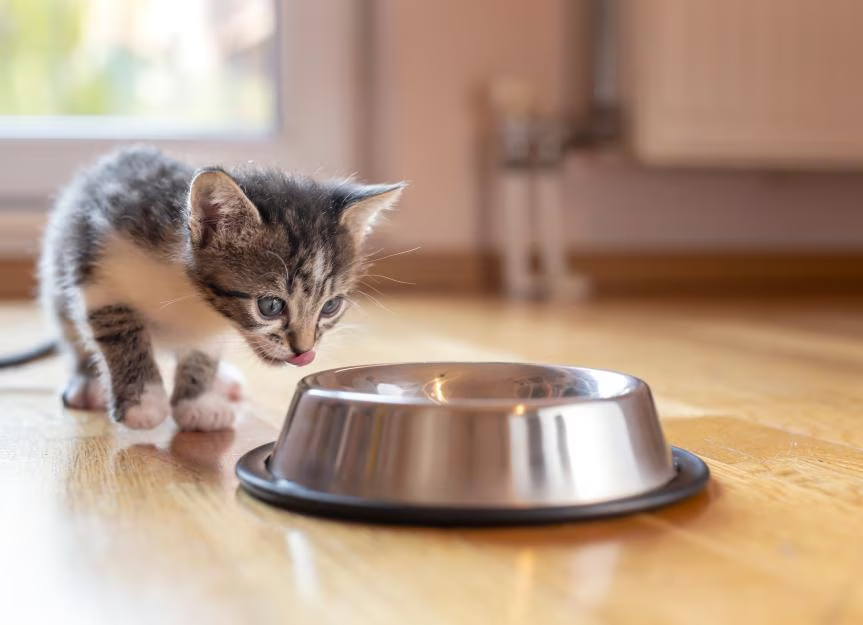
Bringing a kitten into your home is an exciting and rewarding experience, but it also comes with many responsibilities. One of the most common and important questions new cat owners ask is: when can kittens eat dry food? Feeding your kitten correctly during the early weeks and months of life plays a crucial role in their growth, development, and long-term health.
Kittens have very different nutritional needs compared to adult cats, and their ability to eat and digest food changes rapidly as they grow. Introducing dry food too early can cause problems, while introducing it too late may slow down healthy development. This in-depth guide explains exactly when kittens can start eating dry food, how to introduce it safely, what to feed at different ages, and how to avoid common feeding mistakes.
Understanding a Kitten’s Early Development
To know when kittens can eat dry food, it helps to understand how they develop during their first few months of life.
Newborn kittens are completely dependent on their mother. They are born without teeth, with immature digestive systems, and with nutritional needs that can only be met by milk. As they grow, their teeth erupt, their digestive enzymes mature, and they become capable of handling solid foods.
The transition from milk to solid food is called weaning, and it is a gradual process rather than a sudden change.
What Do Kittens Eat Right After Birth?
The First Few Weeks of Life
From birth until about four weeks of age, kittens rely entirely on milk for nutrition.
- Ideally, this is their mother’s milk
- If the mother is unavailable, a commercial kitten milk replacer is required
- Cow’s milk is not suitable and can cause digestive upset
When Do Kittens Start Weaning?
Weaning usually begins around three to four weeks of age. This is when kittens start showing interest in their surroundings and may attempt to nibble on solid foods.
Signs a kitten is ready to begin weaning include:
- Beginning to develop baby teeth
- Showing curiosity about their mother’s food
- Lapping liquids rather than only suckling
- Increased mobility and playfulness
When Can Kittens Eat Dry Food for the First Time?
Most kittens can start eating dry food between 6 and 8 weeks of age, but not immediately in its hard, crunchy form.
At this stage:
- Their teeth are still developing
- Their jaws are small and sensitive
- Their digestive systems are still adjusting
Why Dry Food Should Not Be Given Too Early
Giving dry food too early can lead to several issues:
- Difficulty chewing due to undeveloped teeth
- Choking hazards
- Inadequate nutrient intake
- Digestive upset, such as diarrhea or vomiting
- Reduced interest in more suitable wet or softened foods
The Ideal Feeding Timeline for Kittens
Birth to 4 Weeks
- Diet: Mother’s milk or kitten milk replacer
- Feeding frequency: Every few hours
- Solid food: Not appropriate
4 to 5 Weeks
- Diet: Milk plus small amounts of softened kitten food
- Food type: Wet kitten food or dry food soaked in warm water
- Purpose: Introduce taste and texture of solid food
6 to 8 Weeks
- Diet: Mostly solid food with decreasing milk intake
- Food type: Softened dry food and wet kitten food
- Dry food: Can be offered softened
8 to 10 Weeks
- Diet: Fully weaned
- Food type: Wet kitten food and dry kitten kibble
- Dry food: Can be eaten dry by most kittens
10 Weeks and Older
- Diet: Regular kitten food
- Food type: Combination of dry and wet food
- Dry food: Fully acceptable as long as it is kitten-specific
How to Introduce Dry Food to Kittens
Step 1: Choose the Right Dry Food
Always select kitten-specific dry food, not adult cat food. Kitten food is specially formulated to support growth and contains:
- Higher protein
- More calories
- Essential fatty acids
- Vitamins and minerals for development
Step 2: Soften the Dry Food
When first introducing dry food:
- Place a small amount of kibble in a bowl
- Add warm water or kitten milk replacer
- Let it soak until soft and mushy
Step 3: Offer Small Portions
Start with small amounts and observe how the kitten reacts:
- Some kittens adapt quickly
- Others may take several days to show interest
Step 4: Gradually Reduce Moisture
Over one to two weeks:
- Reduce the amount of liquid added
- Allow the kibble to become firmer
Can Kittens Eat Only Dry Food?
Technically, kittens can survive on dry food alone after weaning, but this is not always ideal.
Benefits of Dry Food
- Convenient and easy to store
- Helps reduce plaque buildup
- Encourages chewing
- Often more affordable
Drawbacks of Only Feeding Dry Food
- Low moisture content can contribute to dehydration
- Some kittens find it less palatable
- Does not mimic natural hydration from prey-based diets
How Much Dry Food Should a Kitten Eat?
The amount of dry food a kitten needs depends on:
- Age
- Weight
- Activity level
- Whether wet food is also fed
- Kittens should eat multiple small meals per day
- Follow the feeding chart on the kitten food packaging
- Adjust based on body condition and growth
Importance of Water When Feeding Dry Food
When kittens start eating dry food, access to fresh water becomes extremely important.
Tips:
- Provide clean, fresh water at all times
- Use shallow bowls that are easy for kittens to access
- Keep water separate from food bowls if possible
Common Mistakes When Feeding Dry Food to Kittens
Giving Adult Cat Food
Adult cat food lacks the nutrients kittens need for growth and development.
Introducing Dry Food Too Early
Kittens under six weeks old are not ready for dry food, even if softened.
Not Softening Kibble at First
Hard kibble can damage developing teeth or discourage eating.
Overfeeding
Free-feeding dry food without monitoring portions can lead to unhealthy weight gain.
Ignoring Individual Differences
Some kittens take longer to adjust than others. Feeding should be tailored to each kitten’s comfort and progress.
Signs Your Kitten Is Ready for Dry Food
Your kitten may be ready to eat dry food if:
- Most baby teeth have erupted
- They can chew without difficulty
- They show interest in crunchy textures
- They no longer rely on milk for nutrition
What If a Kitten Refuses Dry Food?
Some kittens prefer wet food and may be reluctant to eat dry kibble.
Solutions include:
- Mixing dry food with wet food
- Trying different shapes or sizes of kibble
- Warming food slightly to enhance aroma
- Ensuring food is fresh and not stale
Health Considerations Related to Dry Food
Dental Health
Dry food may help reduce plaque, but it does not replace proper dental care.
Digestive Health
Sudden changes in diet can cause digestive upset. Always transition slowly.
Urinary Health
Low moisture intake can affect urinary health later in life, making hydration especially important.
When to Consult a Veterinarian
Seek veterinary advice if:
- Your kitten is not gaining weight
- There is persistent vomiting or diarrhea
- The kitten refuses all solid food past eight weeks
- There are signs of dental pain or difficulty chewing
Special Situations to Consider
Orphaned Kittens
Orphaned kittens may take longer to transition to dry food and require closer monitoring.
Large Litters
Kittens in large litters may wean earlier but still need proper nutrition.
Premature or Undersized Kittens
These kittens may need extra time before introducing dry food.
Final Answer: When Can Kittens Eat Dry Food?
Kittens can begin eating dry food around 6 to 8 weeks of age, starting with softened kibble and gradually transitioning to dry pieces as their teeth and digestion develop. By 8 to 10 weeks, most kittens can eat dry food comfortably, especially when combined with wet food for balanced nutrition.
The key to healthy feeding is patience, proper timing, and choosing the right kitten-specific food. By understanding your kitten’s developmental stages and nutritional needs, you can support strong growth, healthy digestion, and a smooth transition into adulthood.
Feeding your kitten correctly in the early months sets the foundation for a healthy and happy life.