
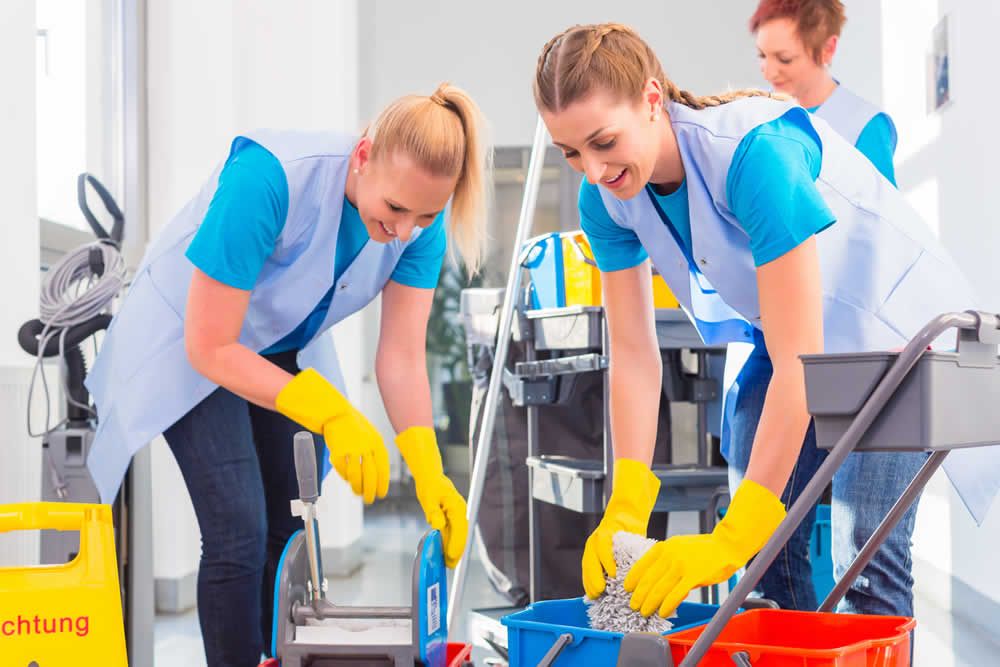
Starting a cleaning business can be one of the most practical and profitable entrepreneurial ventures, especially for those looking for a low-barrier entry into business ownership. The demand for residential, commercial, and specialized cleaning services continues to grow as people value convenience, hygiene, and professional results. Whether you plan to clean homes, offices, or industrial spaces, a cleaning business offers flexibility, scalability, and recurring income potential.
This in-depth guide walks you through how to start a cleaning business step by step, covering planning, legal requirements, pricing, marketing, operations, and growth strategies.
Why Start a Cleaning Business?
A cleaning business is appealing for several reasons:
- Low startup costs compared to many other businesses
- High and consistent demand
- Ability to start small and scale over time
- Flexible working hours
- No advanced degrees required
Types of Cleaning Businesses You Can Start
Before launching, it’s important to decide what type of cleaning business you want to operate.
Residential Cleaning
Residential cleaning focuses on homes and apartments. Services often include:
- Regular house cleaning
- Deep cleaning
- Move-in and move-out cleaning
- Post-renovation cleaning
This is a popular choice for beginners due to simpler requirements and faster client acquisition.
Commercial Cleaning
Commercial cleaning serves offices, retail spaces, schools, and other workplaces. It often involves:
- Daily or weekly contracts
- After-hours cleaning
- Larger spaces and recurring revenue
Commercial cleaning typically pays more but may require additional equipment and insurance.
Specialized Cleaning Services
Specialized cleaning targets niche markets such as:
- Carpet and upholstery cleaning
- Window cleaning
- Medical or healthcare facility cleaning
- Industrial and warehouse cleaning
- Airbnb and vacation rental cleaning
These services often require specialized tools and training but can command higher rates.
Step 1: Research the Cleaning Market
Market research helps you understand demand, competition, and pricing in your area.
Key questions to answer:
- Who needs cleaning services locally?
- What types of cleaning services are most in demand?
- How much do competitors charge?
- What services are underserved or missing?
Look at local listings, online reviews, and business directories to identify opportunities and gaps in the market.
Step 2: Create a Cleaning Business Plan
A business plan gives your cleaning business direction and clarity.
Your plan should include:
- Business goals and vision
- Target market (residential, commercial, or niche)
- Services offered
- Pricing strategy
- Startup and operating costs
- Marketing approach
- Growth plan
Even a simple business plan can help you stay organized and make informed decisions.
Step 3: Choose a Business Name and Brand
Your business name should be:
- Easy to remember
- Professional and trustworthy
- Relevant to cleaning services
Once you choose a name:
- Check local business name availability
- Secure a matching domain name if possible
- Design a simple logo and brand identity
Strong branding helps your cleaning business appear credible and professional from day one.
Step 4: Register Your Cleaning Business
Legal registration is essential to operate legitimately and protect yourself.
Choose a Business Structure
Common options include:
- Sole proprietorship
- Partnership
- Limited liability company (LLC)
- Corporation
Many cleaning businesses start as sole proprietorships or LLCs due to simplicity and liability protection.
Obtain Licenses and Permits
Requirements vary by location, but you may need:
- General business license
- Sales tax registration
- Employer registration (if hiring staff)
Check local regulations to ensure compliance.
Step 5: Get Business Insurance
Insurance protects your business from financial risk and builds trust with clients.
Common types of insurance for cleaning businesses include:
- General liability insurance
- Workers’ compensation insurance
- Commercial auto insurance (if using vehicles)
- Bonding insurance
Many commercial clients require proof of insurance before hiring a cleaning service.
Step 6: Determine Your Cleaning Services and Pricing
Define Your Service Packages
Clearly outline what your cleaning services include, such as:
- Standard cleaning
- Deep cleaning
- Add-on services like window or fridge cleaning
Clear service descriptions help prevent misunderstandings with clients.
Set Competitive Pricing
Pricing depends on:
- Local market rates
- Type of cleaning
- Size of the space
- Frequency of service
Common pricing models include:
- Hourly rates
- Flat-rate pricing
- Square-foot pricing
Be sure to factor in labor, supplies, travel time, and overhead costs.
Step 7: Purchase Cleaning Equipment and Supplies
Start with essential cleaning tools and supplies to keep costs manageable.
Basic equipment may include:
- Vacuum cleaners
- Mops and buckets
- Microfiber cloths
- Cleaning chemicals
- Gloves and safety gear
As your business grows, you can invest in advanced equipment for efficiency and quality.
Step 8: Set Up Your Operations
Efficient operations are critical to delivering consistent service.
Scheduling and Time Management
Decide how you will:
- Schedule appointments
- Manage recurring clients
- Handle cancellations and rescheduling
Many cleaning businesses use scheduling software or simple digital calendars.
Payment Methods
Offer convenient payment options such as:
- Cash
- Bank transfers
- Credit or debit cards
- Online payments
Clear payment policies help avoid disputes.
Step 9: Hire and Train Cleaning Staff
If you plan to scale, hiring staff will be necessary.
Hiring the Right Team
Look for employees who are:
- Reliable and detail-oriented
- Trustworthy
- Physically capable of cleaning tasks
Background checks may be important, especially for residential cleaning.
Training and Standards
Create training guidelines covering:
- Cleaning techniques
- Safety procedures
- Customer service expectations
Consistent training ensures high-quality service and client satisfaction.
Step 10: Market Your Cleaning Business
Marketing is essential to attract clients and grow your business.
Build an Online Presence
Key elements include:
- A professional website
- Clear service descriptions
- Contact information
- Online booking options
Search engine optimization helps local customers find your cleaning business online.
Local Marketing Strategies
Effective local marketing methods include:
- Google business listings
- Local directories
- Flyers and door hangers
- Referrals and word-of-mouth
Satisfied customers are one of the most powerful marketing tools.
Offer Promotions and Discounts
Introductory offers can help attract new clients, such as:
- First-time customer discounts
- Referral bonuses
- Package deals
Promotions encourage trial and repeat business.
Step 11: Deliver Excellent Customer Service
Customer satisfaction drives repeat business and referrals.
Focus on:
- Clear communication
- Punctuality
- Consistent quality
- Professional behavior
Responding quickly to feedback and resolving issues builds long-term trust.
Step 12: Manage Finances and Bookkeeping
Proper financial management keeps your cleaning business profitable.
Key tasks include:
- Tracking income and expenses
- Managing invoices and receipts
- Setting aside money for taxes
- Monitoring cash flow
Using accounting software or hiring a bookkeeper can simplify this process.
Step 13: Scale and Grow Your Cleaning Business
Once your business is stable, consider growth opportunities.
Expand Services
You can grow by:
- Adding new cleaning services
- Offering eco-friendly cleaning options
- Targeting new markets
Increase Capacity
Growth strategies include:
- Hiring more staff
- Expanding service areas
- Investing in better equipment
Build Long-Term Contracts
Commercial contracts and recurring residential clients provide predictable income and stability.
Common Challenges When Starting a Cleaning Business
Some common challenges include:
- Finding reliable staff
- Managing inconsistent schedules
- Competing on price
- Maintaining quality as you grow
Planning ahead and creating systems can help overcome these obstacles.
Tips for Long-Term Success
To build a sustainable cleaning business:
- Focus on quality over quantity
- Build strong client relationships
- Keep improving efficiency
- Stay compliant with regulations
- Adapt to market trends
Consistency and professionalism are key to long-term success.
Final Thoughts on How to Start a Cleaning Business
Starting a cleaning business is a realistic and rewarding path to entrepreneurship. With careful planning, clear service offerings, proper legal setup, and effective marketing, you can build a profitable cleaning business that grows over time.
By understanding your market, delivering excellent service, and managing operations efficiently, you can turn a simple cleaning service into a trusted brand and a reliable source of income. Whether you start solo or aim to scale into a larger operation, the cleaning industry offers opportunities for long-term success and financial independence.