
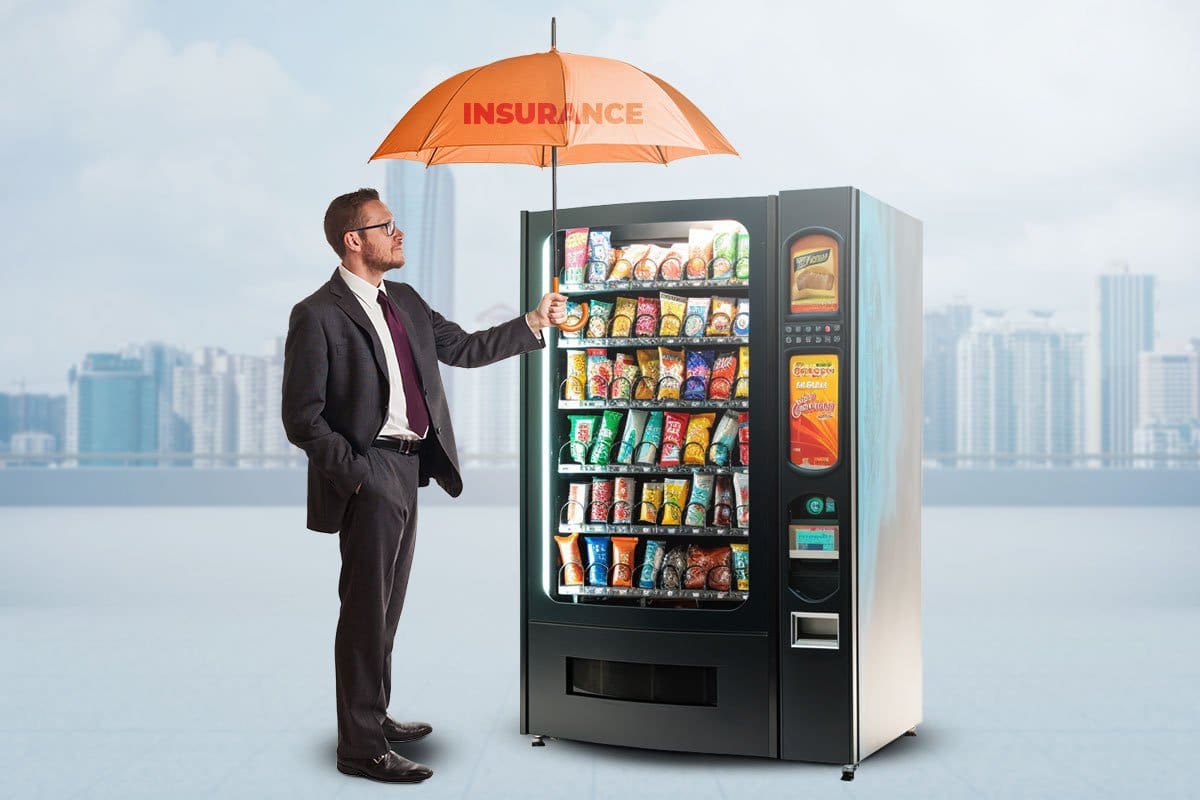
Starting a vending machine business is an excellent way to create a steady stream of passive income with relatively low startup costs. Unlike traditional businesses, vending machines require minimal staffing, can operate 24/7, and are highly scalable if managed properly. With the right planning, location selection, and product strategy, a vending machine business can become a profitable venture for entrepreneurs of all experience levels.
This comprehensive guide explains how to start a vending machine business step by step, including market research, equipment choices, location strategies, legal requirements, product selection, and tips for growth.
Why Start a Vending Machine Business?
The vending machine industry offers several advantages:
- Low startup costs: Compared to opening a store, vending machines require far less initial investment.
- Flexible operation: Machines can run around the clock without staff supervision.
- Passive income potential: Once machines are set up, revenue flows continuously with proper maintenance.
- Scalability: You can start with one or two machines and expand gradually.
- Variety of niches: Snack, beverage, healthy foods, tech, and specialized products provide opportunities to target different markets.
Types of Vending Machines
Before starting, it’s important to decide which type of vending machine you want to operate.
Snack and Beverage Machines
These are the most common vending machines and are ideal for beginners. Products typically include:
- Chips, candy, and snacks
- Soft drinks and bottled water
- Coffee, tea, or energy drinks
Healthy Food Machines
With rising health awareness, machines offering nutritious snacks, fresh fruits, salads, and protein bars are gaining popularity.
Specialty Machines
Specialty vending machines cater to niche markets:
- Electronics and phone accessories
- Beauty products and personal care items
- Office supplies
- Frozen foods or ice cream
Specialty machines often generate higher revenue but may require more maintenance and inventory management.
Combination Machines
Combination vending machines offer multiple product types, such as snacks, beverages, or hot and cold items in one machine. This approach maximizes revenue per location.
Step 1: Conduct Market Research
Understanding the market is crucial before investing in vending machines.
Key questions to consider:
- Who is your target audience? (students, office workers, gym-goers, tourists)
- What types of products are in demand locally?
- How competitive is the market in your area?
- What locations have high foot traffic and accessibility?
Market research will help identify profitable products, the right machine type, and ideal placement locations.
Step 2: Create a Business Plan
A business plan provides direction and helps secure funding if needed. Your plan should include:
- Business objectives: Short-term and long-term goals
- Target locations: Schools, offices, gyms, hospitals, hotels
- Products and services: Snacks, beverages, specialty items
- Startup costs: Machines, inventory, permits, insurance
- Revenue projections: Expected income per machine per month
- Marketing strategy: How you will attract clients and secure locations
- Growth strategy: Adding machines, expanding product lines, or entering new areas
Step 3: Choose a Business Structure
Selecting the right business structure is critical for liability protection, taxation, and operations.
Common structures include:
- Sole proprietorship: Simple and easy to set up, ideal for single-owner operations.
- Limited Liability Company (LLC): Provides liability protection and credibility.
- Partnership: Suitable if you have co-owners or investors.
Consult a local accountant or attorney to determine the best structure for your vending business.
Step 4: Register Your Business and Obtain Permits
Legal registration ensures your business operates legitimately and avoids penalties.
Necessary Steps:
- Register your business name: Check for availability and trademark issues.
- Apply for an Employer Identification Number (EIN): Required for tax purposes.
- Obtain permits and licenses: Vending businesses may need:
Requirements vary by state and country, so check local regulations before starting.
Step 5: Secure Insurance
Insurance protects your investment and liability. Common types include:
- General liability insurance: Covers injuries or property damage.
- Product liability insurance: Protects against claims from defective or spoiled products.
- Theft and property insurance: Covers vandalism or theft of machines and inventory.
Step 6: Choose Vending Machine Equipment
The type and quality of machines can impact revenue and maintenance costs.
Types of Vending Machines
- New vs. used machines: New machines come with warranties and the latest technology, while used machines are more affordable.
- Traditional mechanical machines: Affordable but less versatile.
- Electronic or smart machines: Accept cash, cards, and mobile payments; often offer telemetry to monitor inventory remotely.
Where to Buy Machines
- Authorized vending machine distributors
- Online marketplaces
- Wholesale suppliers or leasing options
Step 7: Find High-Traffic Locations
Location is critical for vending machine success. High foot traffic and target audience presence can maximize sales.
Ideal Locations Include:
- Schools and universities
- Office buildings and co-working spaces
- Hospitals and medical facilities
- Hotels, motels, and airports
- Gyms and fitness centers
- Shopping malls and convenience stores
Negotiating Placement Agreements
Most locations will require a placement agreement detailing:
- Commission or revenue sharing
- Duration of placement
- Maintenance responsibilities
- Liability clauses
A fair agreement ensures a long-term partnership and smooth operations.
Step 8: Stock Your Machines Strategically
Product selection affects customer satisfaction and profitability.
Steps for Stocking Machines
- Analyze customer preferences: Offer popular and fast-selling items.
- Balance variety and simplicity: Too many options can confuse customers.
- Monitor inventory: Regularly restock to prevent empty slots.
- Consider seasonal items: Cold drinks in summer, warm beverages in winter.
Step 9: Set Pricing Strategically
Pricing should balance profitability with affordability.
- Consider product cost, machine maintenance, and location fees.
- Conduct competitor analysis to see what similar machines charge.
- Experiment with pricing for different locations and products.
Step 10: Promote Your Vending Business
Marketing is important to attract clients and secure more locations.
Marketing Strategies
- Local outreach: Visit offices, schools, and gyms to pitch your services.
- Online presence: Create a website or social media profile showcasing your business.
- Branding: Use stickers, machine wraps, and attractive designs to stand out.
- Referral programs: Offer incentives to clients who refer new locations.
Step 11: Manage Operations Efficiently
Smooth operations are key to long-term success.
Inventory and Restocking
- Use software or apps to track stock levels.
- Schedule regular restocking and maintenance visits.
Maintenance and Repairs
- Regularly clean and service machines.
- Address technical issues promptly to minimize downtime.
Financial Management
- Track revenue from each machine.
- Separate business and personal finances.
- Plan for taxes, insurance, and machine upgrades.
Step 12: Scale Your Vending Business
Once you have experience and steady revenue, scaling is the next step.
Strategies to Scale
- Add more machines in profitable locations
- Expand product offerings
- Explore new niches like healthy foods, tech accessories, or fresh beverages
- Invest in advanced smart vending machines for better efficiency
Challenges in the Vending Machine Business
Common challenges include:
- Finding profitable locations
- Inventory shrinkage due to theft or spoilage
- Mechanical breakdowns and maintenance costs
- Competition from convenience stores and online delivery
- Seasonal demand fluctuations
Being proactive, monitoring machines closely, and maintaining strong client relationships helps overcome these challenges.
Tips for Long-Term Success
To thrive in the vending machine industry:
- Research and understand your target market thoroughly
- Keep machines clean, stocked, and well-maintained
- Offer convenient payment options like credit cards and mobile pay
- Negotiate favorable placement agreements
- Track performance metrics and adapt products to demand
Consistency and attention to detail are key factors for sustained profitability.
Final Thoughts on How to Start a Vending Machine Business
Starting a vending machine business is an accessible and potentially profitable way to earn passive income. With careful planning, smart location choices, strategic product selection, and efficient operations, you can build a business that grows steadily over time.
While challenges like competition, maintenance, and inventory management exist, the flexibility and scalability of vending machines make them a compelling business opportunity for entrepreneurs willing to invest time and effort. By starting small, focusing on high-traffic locations, and delivering products that customers want, you can create a successful vending machine business and achieve long-term financial stability.