
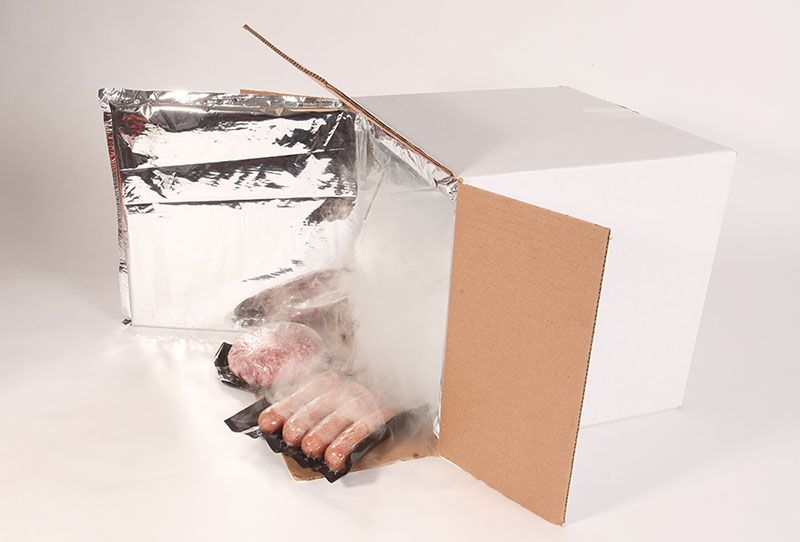
Shipping frozen food is a complex but increasingly common requirement for food businesses, restaurants, meal kit companies, farmers, and even individuals sending specialty items. Whether you are shipping frozen meat, seafood, baked goods, prepared meals, or desserts, maintaining product quality and safety throughout transit is essential. Improper shipping can lead to spoilage, food safety risks, customer dissatisfaction, and financial losses.
This comprehensive guide explains how to ship frozen food safely and effectively. It covers packaging materials, temperature control, carrier selection, legal considerations, costs, and best practices so you can confidently manage frozen food shipments at any scale.
Understanding the Challenges of Shipping Frozen Food
Frozen food shipping is fundamentally different from shipping shelf-stable or refrigerated products. The primary challenge is temperature control. Frozen food must typically remain at or below 0°F (-18°C) to preserve texture, flavor, and safety.
During transit, packages may be exposed to temperature fluctuations, delays, rough handling, and varying storage conditions. Unlike refrigerated items, frozen foods have a narrower margin for error. Once they thaw, refreezing can degrade quality and, in some cases, compromise safety.
Another challenge is cost. Frozen food shipping requires insulated packaging, refrigerants such as dry ice or gel packs, and faster shipping speeds, all of which increase expenses. Careful planning is needed to balance cost, reliability, and product protection.
Types of Frozen Foods Commonly Shipped
Different frozen foods have different shipping requirements. Understanding your product category helps determine packaging and transit methods.
Frozen meats and poultry require strict temperature control to prevent bacterial growth and freezer burn. Seafood, especially fish and shellfish, is highly sensitive and often shipped with dry ice and expedited services.
Prepared meals and meal kits must maintain both temperature and presentation. Ice cream and frozen desserts are among the most temperature-sensitive items and often require specialized packaging and high quantities of dry ice.
Frozen baked goods, fruits, and vegetables are generally more forgiving but still require consistent freezing to avoid texture degradation and moisture loss.
Food Safety and Regulatory Considerations
Before shipping frozen food, it is essential to understand food safety regulations. In many regions, frozen food shipments are regulated by food safety authorities, such as the FDA or USDA in the United States.
Key considerations include proper labeling, traceability, and compliance with food handling standards. If you are shipping across state or national borders, additional rules may apply, including customs declarations, import permits, and health certificates.
Dry ice is regulated as a hazardous material for air transport, which means specific labeling and quantity limits must be followed. Carriers often require training or documentation for shipping with dry ice.
Consult local and national regulations to ensure compliance and avoid shipment delays or penalties.
Choosing the Right Packaging for Frozen Food
Packaging is the most critical element in frozen food shipping. The goal is to maintain freezing temperatures while protecting the product from physical damage and moisture.
Insulated Containers
Insulated containers are essential for frozen food shipping. Common materials include expanded polystyrene foam, polyurethane foam, and insulated liners. Foam coolers are widely used because they provide excellent thermal insulation and are lightweight.
For eco-conscious businesses, biodegradable or recyclable insulated liners made from plant-based fibers or recycled materials are increasingly available, though they may offer slightly less insulation than traditional foam.
The thickness of the insulation matters. Longer transit times require thicker walls to slow heat transfer and preserve freezing temperatures.
Outer Packaging
The insulated container should be placed inside a sturdy corrugated cardboard box. The box protects against impact, stacking pressure, and punctures during transit.
Ensure the outer box fits snugly around the insulated container. Excess empty space can reduce thermal efficiency and allow the contents to shift.
Moisture Protection
Frozen food can produce condensation as temperatures fluctuate. All food items should be sealed in moisture-resistant packaging such as vacuum-sealed bags or heavy-duty freezer bags.
Adding an absorbent liner or pad inside the insulated container can help manage condensation and prevent leaks.
Refrigerants for Frozen Food Shipping
Refrigerants are used to maintain freezing temperatures during transit. The two most common options are dry ice and gel packs.
Dry Ice
Dry ice is solid carbon dioxide and sublimates directly from solid to gas at -109°F (-78.5°C). It is highly effective for keeping products frozen and is commonly used for shipping meat, seafood, ice cream, and other temperature-sensitive foods.
Dry ice provides powerful cooling but must be handled carefully. It should never be sealed in an airtight container because gas buildup can cause rupture. Proper ventilation is required.
The amount of dry ice needed depends on package size, insulation quality, transit duration, and external temperatures. Overuse increases cost and shipping restrictions, while underuse risks thawing.
Gel Packs
Gel packs are reusable, non-hazardous refrigerants that freeze at specific temperatures. While they are commonly used for refrigerated shipping, they can also support frozen shipments over short durations.
Gel packs are safer and easier to ship than dry ice but are less effective for long transit times or extremely temperature-sensitive products. They are best suited for overnight or same-day shipping.
Combining Refrigerants
In some cases, a combination of dry ice and gel packs is used to provide redundancy and extend temperature control. This approach can be effective for high-value shipments.
Preparing Frozen Food for Shipment
Proper preparation before packing is essential for successful frozen food shipping.
Freeze products solid before packaging. Shipping partially frozen food increases the risk of thawing and temperature abuse. Ideally, products should be frozen to -10°F or lower before packing.
Pre-chill insulated containers and gel packs when possible. Starting with cold packaging reduces initial temperature rise and improves overall performance.
Organize items efficiently inside the container. Place frozen products close together to create a thermal mass, which helps maintain low temperatures longer.
Position refrigerants strategically. Dry ice is often placed on top of the products because cold air sinks, while gel packs can be placed around the sides and bottom.
Selecting the Right Shipping Method
Shipping speed is a critical factor in frozen food delivery. The longer the transit time, the more refrigerant and insulation are required.
Overnight and Express Shipping
Overnight or next-day delivery is the preferred option for most frozen food shipments. It minimizes exposure to external temperatures and reduces the risk of delays.
Express shipping is especially important for ice cream, seafood, and premium products where quality is paramount.
Two-Day Shipping
Two-day shipping can be suitable for less sensitive frozen foods when combined with adequate insulation and refrigerant. It is often used to reduce costs while still maintaining acceptable quality.
Ground Shipping
Ground shipping is generally risky for frozen food unless distances are short and temperatures are cool. It may be feasible for regional deliveries with strong insulation and large quantities of dry ice.
Choosing a Shipping Carrier
Not all carriers handle frozen food shipments equally. Major carriers such as UPS, FedEx, and DHL offer frozen and temperature-controlled shipping options, but policies vary.
Check each carrier’s guidelines for shipping perishable goods and dry ice. Some carriers require advance notice, specific labeling, or service restrictions.
Local courier services can be a good option for same-day or regional deliveries, particularly for restaurants and grocery businesses.
Labeling and Documentation
Proper labeling ensures safe handling and regulatory compliance. Packages containing frozen food should be clearly marked with “Perishable” and “Keep Frozen” labels.
If dry ice is used, the package must display a dry ice hazard label indicating the net weight of dry ice inside.
Include packing slips and product information inside the package, protected from moisture. For commercial shipments, ensure all required invoices, permits, and customs documents are accurate and complete.
Managing Costs of Frozen Food Shipping
Frozen food shipping can be expensive, but careful planning can help control costs.
Optimize packaging size to reduce dimensional weight charges. Use the smallest container that safely fits the product and refrigerants.
Negotiate carrier rates if you ship high volumes. Many carriers offer discounted pricing for regular shippers.
Test different insulation and refrigerant combinations to find the most cost-effective solution that maintains product integrity.
Consider passing some shipping costs to customers transparently, especially for premium or specialty frozen products.
Testing and Quality Assurance
Before shipping frozen food at scale, conduct test shipments. Monitor internal package temperatures using data loggers or temperature indicators.
Evaluate product quality upon arrival, checking for thawing, freezer burn, or packaging damage. Use test results to refine packaging, refrigerant quantities, and shipping methods.
Ongoing quality assurance helps prevent costly failures and protects your brand reputation.
Handling Delivery and Customer Experience
Customer experience does not end when the package ships. Communicate clearly with recipients about delivery timing and handling instructions.
Provide tracking information and recommend that customers be available to receive the package. Frozen food left unattended can thaw quickly, even with good packaging.
Include clear instructions on storage and safe handling once the package arrives.
Sustainability Considerations
As frozen food shipping grows, sustainability becomes increasingly important. Traditional foam packaging and single-use refrigerants contribute to waste.
Explore recyclable or reusable insulation options, compostable liners, and carbon offset programs offered by carriers.
Educating customers on proper disposal or reuse of packaging materials can also reduce environmental impact.
Common Mistakes to Avoid
One common mistake is underestimating transit time. Always plan for potential delays and add extra refrigerant as a buffer.
Using inadequate insulation is another frequent issue. Thin liners may be cheaper but can result in spoiled products and customer complaints.
Failing to comply with dry ice regulations can lead to rejected shipments or safety hazards.
Finally, skipping test shipments can result in unexpected failures when shipping to new regions or during extreme weather.
Final Thoughts on Shipping Frozen Food
Shipping frozen food successfully requires careful planning, reliable packaging, and attention to detail. By understanding the unique challenges of frozen logistics and implementing best practices, businesses and individuals can deliver high-quality frozen products safely and consistently.
From choosing the right insulation and refrigerants to selecting carriers and managing costs, every step plays a role in preserving product integrity. With the right approach, frozen food shipping can become a dependable and scalable part of your operations, helping you reach new customers while maintaining the quality they expect.