
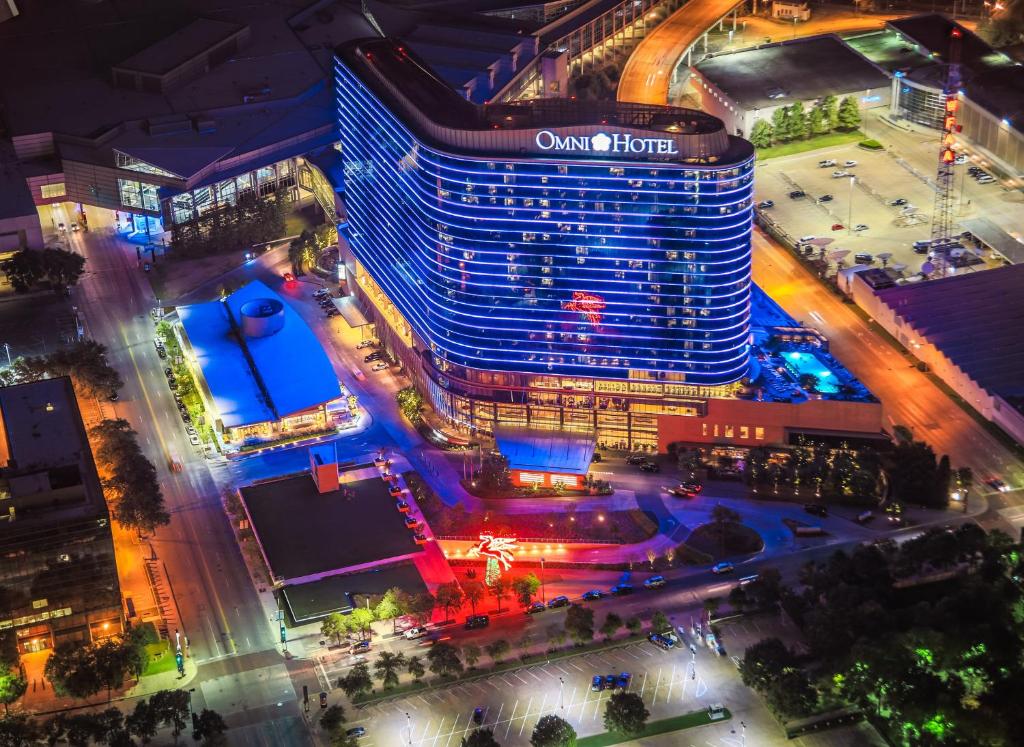
Omni Hotels & Resorts is one of North America’s best-known luxury hotel companies, with a reputation for upscale accommodations, personalized service, and iconic destination properties. But behind the well-appointed lobbies and world-class hospitality is a corporate story that spans decades, continents, and strategic shifts. This article explores in depth who owns Omni Hotels, how its ownership evolved, and what that means for the company’s operations today.
We’ll break this down into easily scannable sections so you can understand the ownership structure, history, leadership, business model, and strategic direction of Omni Hotels & Resorts.
Overview: What Is Omni Hotels & Resorts?
Omni Hotels & Resorts is an American private hotel company known for managing and owning luxury hotels and resorts throughout the United States and Canada. The portfolio includes metropolitan flagship properties, resort destinations, golf courses, and historic hotels in key markets. :contentReference[oaicite:0]{index=0}
Omni is headquartered in Dallas, Texas, and operates more than 50 properties with tens of thousands of rooms and employees across North America. :contentReference[oaicite:1]{index=1}
Despite sounding like a global brand with corporate complexity, Omni’s ownership structure is comparatively straightforward: it’s privately held rather than publicly traded on stock markets. :contentReference[oaicite:2]{index=2}
The Root Question: Who Owns Omni Hotels?
The Parent Company: TRT Holdings, Inc.
At the highest level, Omni Hotels & Resorts is owned by TRT Holdings, Inc. TRT Holdings is a privately held investment company based in Dallas, Texas, and it acts as the parent organization for Omni. :contentReference[oaicite:3]{index=3}
TRT Holdings owns Omni Hotels 100% as a privately held subsidiary, which means Omni isn’t subject to public shareholder pressures or quarterly earnings reports like major publicly traded hotel chains. :contentReference[oaicite:4]{index=4}
Ultimate Beneficial Owner: Robert B. Rowling
While TRT Holdings is the legal parent, the ultimate control of Omni Hotels flows through billionaire businessman Robert B. Rowling. Rowling founded TRT Holdings and serves as its chief guiding force. Through his control of TRT, he is widely regarded as the primary owner and key decision-maker for Omni Hotels. :contentReference[oaicite:5]{index=5}
Rowling’s influence means Omni maintains a centralized strategy focused on long-term value, luxury positioning, and asset ownership rather than an asset-light franchising approach used by many competitors. :contentReference[oaicite:6]{index=6}
A Brief History of Omni’s Ownership
From Dunfey Beginnings to Omni
The roots of Omni stretch back to 1958, when the Dunfey family opened a small motor inn in Hampton, New Hampshire. That modest operation grew into Dunfey Hotels, which acquired properties throughout New England and beyond. :contentReference[oaicite:7]{index=7}
In the early 1980s, Dunfey Hotels acquired the Omni International Hotels brand and renamed its upscale division Omni Hotels & Resorts. This marked the beginning of the “Omni” identity. :contentReference[oaicite:8]{index=8}
Corporate Ownership Transitions
Over the next decade, Omni moved through several ownership hands:
- In 1983, Dunfey acquired Omni International Hotels and made Omni its upscale hotel division. :contentReference[oaicite:9]{index=9}
- In 1988, Omni was sold to a joint venture of World International Holdings and Wharf Holdings Limited, two Hong Kong-based conglomerates. :contentReference[oaicite:10]{index=10}
- In 1996, the company landed in the hands of Robert B. Rowling’s TRT Holdings, which acquired Omni and relocated its headquarters to Dallas, Texas. :contentReference[oaicite:11]{index=11}
How Is Omni’s Ownership Different From Other Hotel Chains?
Many modern hotel companies, especially global brands like Marriott, Hilton, or IHG, operate under an asset-light model. That means they license their brand and manage properties that are owned by third-party investors or franchisees. This helps them scale quickly without having to own real estate directly.
By contrast, Omni Hotels & Resorts operates primarily under an asset-heavy model, meaning:
- Omni owns most of its hotels directly or through TRT Holdings subsidiaries. :contentReference[oaicite:13]{index=13}
- The company manages many properties without franchising them out to third parties. :contentReference[oaicite:14]{index=14}
Leadership and Corporate Structure
While Robert Rowling guides Omni through his leadership of TRT Holdings, the day-to-day management of the Omni Hotels brand is led by a corporate executive team.
As of 2025:
- Kurt Alexander serves as President of Omni Hotels & Resorts, effectively acting as the CEO responsible for operations and strategy execution. :contentReference[oaicite:16]{index=16}
- In earlier years, executives like Peter Strebel led the organization while deeper strategic decisions were still coordinated with TRT’s leadership. :contentReference[oaicite:17]{index=17}
Omni’s Real Estate and Property Ownership
Because Omni operates many of its properties directly, ownership details can vary by hotel or resort. For example:
- Omni San Diego Hotel is owned by Omni Hotels & Resorts itself, though in some cases specific properties have been part of joint ventures. :contentReference[oaicite:19]{index=19}
- Some properties may have partial ownership structures where Omni manages the hotel but shares ownership stakes with real estate partners. :contentReference[oaicite:20]{index=20}
How Omni’s Ownership Influences Business Strategy
Long-Term Vision Over Quarterly Results
Because Omni isn’t accountable to public shareholders, it has greater flexibility to make long-term investments—such as:
- Significant renovations of historic properties
- Expansion into luxury golf and leisure resort markets
- Creation of unique guest experiences
Luxury Positioning
Omni’s ownership structure supports maintaining a consistent luxury brand identity across its portfolio. TRT Holdings emphasizes service quality, guest experience, and distinctive local character rather than rapid franchising with varying standards. :contentReference[oaicite:23]{index=23}
Global and Industry Context
While Omni is largely focused on North America, its ownership history includes earlier international connections (such as past ownership by Hong Kong-based Wharf Holdings). These periods influenced expansion, but today the company’s trajectory is firmly anchored in the U.S. and Canadian markets. :contentReference[oaicite:24]{index=24}
In the broader hospitality industry, Omni stands out because it remains privately owned and closely managed, with a high proportion of company-owned real estate highly curated for luxury travelers. :contentReference[oaicite:25]{index=25}
Frequently Asked Questions About Omni’s Ownership
Is Omni Hotels owned by Marriott or Hilton?
No. Omni Hotels & Resorts operates independently and is not owned by major hotel conglomerates like Marriott International or Hilton Worldwide. It remains under private ownership through TRT Holdings. :contentReference[oaicite:26]{index=26}
Is Omni Hotels a public company?
No. Unlike many hotel brands that trade on stock exchanges, Omni is privately held, with no public shareholders. :contentReference[oaicite:27]{index=27}
Who controls Omni’s strategic decisions?
While executive leadership manages daily operations, TRT Holdings and its founder Robert B. Rowling hold ultimate decision-making authority for major strategic moves. :contentReference[oaicite:28]{index=28}
Conclusion
Understanding who owns Omni Hotels reveals much about why it operates differently from many other hotel chains. As a privately held subsidiary of TRT Holdings, Inc., and under the long-term strategic guidance of Robert B. Rowling, Omni has built a distinct identity in the luxury hospitality segment. :contentReference[oaicite:29]{index=29}
This ownership structure allows the company to preserve a high standard of service, maintain ownership over its properties, and pursue strategic growth without the pressures of public markets. Whether you’re a traveler, investor, or hospitality enthusiast, this behind-the-scenes view helps explain how Omni continues to thrive in a competitive industry. :contentReference[oaicite:30]{index=30}