
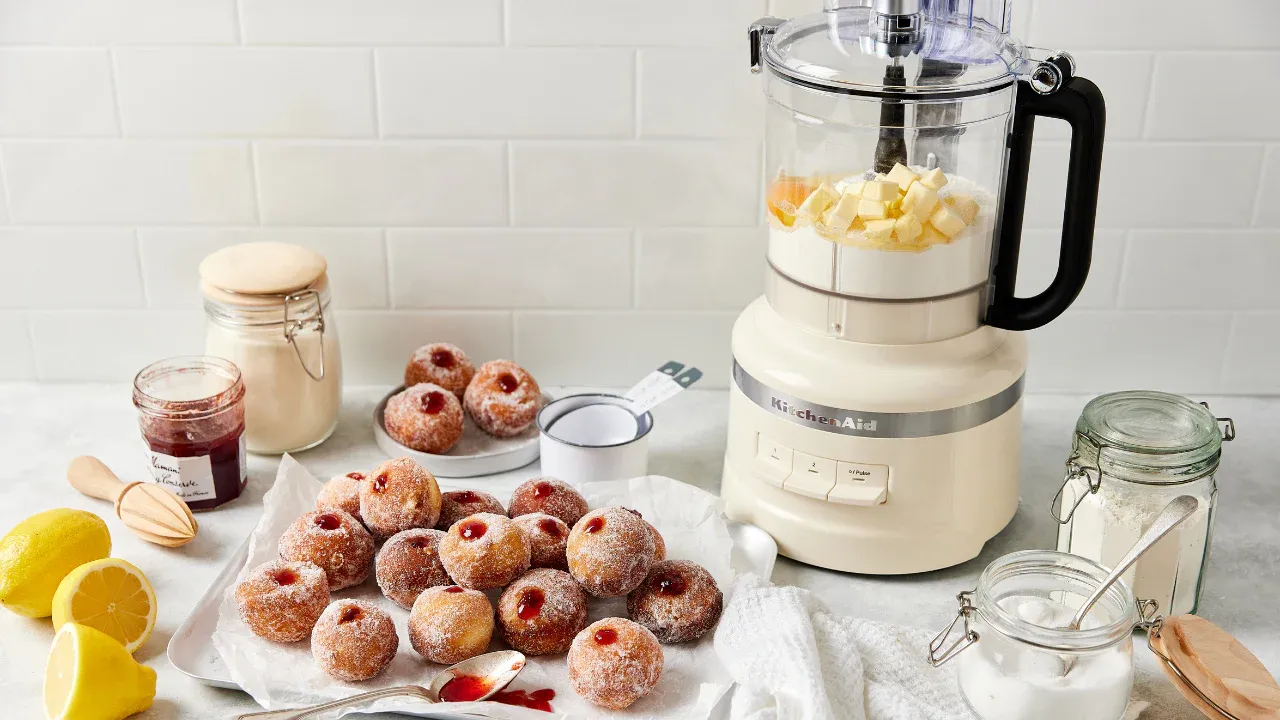
A food processor is one of the most versatile and time-saving appliances in a modern kitchen. Designed to handle a wide range of food preparation tasks, it can chop, slice, shred, puree, knead dough, and emulsify ingredients with speed and consistency. For home cooks and professionals alike, a food processor reduces manual labor, improves precision, and expands what’s possible in everyday cooking.
This in-depth guide explains what a food processor is, how it works, what tasks it can perform, how it differs from similar appliances, and how to choose the right one for your needs. Whether you’re new to cooking or looking to upgrade your kitchen tools, understanding food processors will help you cook more efficiently and creatively.
Definition of a Food Processor
A food processor is an electric kitchen appliance that uses interchangeable blades and discs to perform multiple food preparation functions. Unlike single-purpose tools, it is designed to handle a broad variety of tasks using the same motor base and bowl.
At its core, a food processor consists of a motorized base, a work bowl, a lid with a feed tube, and attachments such as blades and slicing or shredding discs. When powered on, the motor spins the attachment at high speed, cutting or processing food inside the bowl.
Food processors are commonly used for tasks that would otherwise require significant knife work or manual mixing, making them especially useful for recipes with many ingredients or repetitive preparation steps.
A Brief History of the Food Processor
The modern food processor traces its origins to Europe in the mid-20th century. Early versions were inspired by commercial food preparation machines used in professional kitchens. The idea was to create a smaller, more accessible version for home cooks.
In the 1970s, food processors gained widespread popularity as home cooking became more experimental and global cuisines entered mainstream kitchens. The appliance symbolized convenience, efficiency, and a shift toward modern cooking methods.
Over time, food processors evolved with stronger motors, improved safety features, and a wider range of attachments, making them a staple in many households.
Main Components of a Food Processor
Understanding the basic parts of a food processor helps clarify how it works and why it’s so versatile.
Motor Base
The motor base is the foundation of the food processor. It houses the motor that powers the blades and discs. Motor strength is typically measured in watts and determines how well the processor handles tough tasks like kneading dough or chopping nuts.
Heavier motor bases often provide more stability and durability, especially for frequent or intensive use.
Work Bowl
The work bowl is the container where food is placed. It is usually made from durable plastic and comes in various sizes, ranging from compact bowls for small kitchens to large-capacity bowls for family meals or batch cooking.
The bowl locks into the motor base to ensure safe operation.
Lid and Feed Tube
The lid fits securely onto the work bowl and includes a feed tube. The feed tube allows you to add ingredients while the machine is running, which is especially useful for slicing vegetables evenly or emulsifying sauces.
Many lids include pushers to guide food safely toward the blades.
Blades and Discs
Blades and discs are what make a food processor multifunctional. The most common attachment is the S-shaped blade, used for chopping, mixing, and pureeing.
Slicing discs, shredding discs, and specialty attachments expand the processor’s capabilities, allowing it to handle everything from julienned vegetables to grated cheese.
How a Food Processor Works
A food processor works by spinning blades or discs at high speed to cut, shred, or mix ingredients. The user controls the process by choosing the appropriate attachment and adjusting how long the machine runs.
Most food processors have simple controls, such as on, off, and pulse. The pulse function gives short bursts of power, offering greater control and preventing over-processing.
The design ensures that ingredients are processed evenly, especially when compared to manual methods.
Common Tasks a Food Processor Can Perform
One of the main reasons food processors are so popular is their ability to handle many different tasks with a single appliance.
Chopping and Mincing
Food processors excel at chopping vegetables, herbs, nuts, and aromatics like onions and garlic. With a few pulses, ingredients can be chopped evenly, saving time and reducing effort.
This is particularly helpful for recipes that require large quantities of finely chopped ingredients.
Slicing and Shredding
Using slicing and shredding discs, a food processor can quickly prepare vegetables for salads, slaws, casseroles, and stir-fries. It can also shred cheese, making it easier to cook large meals or prep ingredients in advance.
Consistent thickness is one of the biggest advantages of processor-based slicing.
Pureeing and Blending
While not a replacement for a blender in all cases, a food processor is excellent for pureeing thicker mixtures such as hummus, pesto, nut butter, and bean dips.
The wide bowl allows ingredients to circulate evenly, producing smooth results with proper technique.
Mixing and Emulsifying
Food processors can mix batters, combine dough ingredients, and emulsify sauces like mayonnaise and vinaigrettes. The steady motion of the blade helps bind ingredients efficiently.
This makes it easier to prepare dressings, spreads, and fillings without manual whisking.
Dough Kneading
Many food processors are capable of kneading dough for bread, pizza, and pastries. The blade works the dough quickly, developing gluten without excessive manual effort.
While traditional kneading has its place, food processors offer speed and consistency.
Food Processor vs Blender
Food processors are often compared to blenders, but they serve different purposes.
A blender is designed primarily for liquids and smooth mixtures, such as smoothies, soups, and sauces. It uses a tall, narrow container and relies on liquid movement to circulate ingredients.
A food processor, on the other hand, is better suited for solid or semi-solid foods. Its wide bowl and interchangeable attachments make it ideal for chopping, slicing, and dough preparation.
In many kitchens, the two appliances complement each other rather than compete.
Food Processor vs Chopper
Small choppers are compact appliances designed for basic tasks like chopping onions or herbs. While convenient, they lack the power and versatility of a full-size food processor.
A food processor can perform everything a chopper can do and much more, making it a better long-term investment for frequent cooks.
Types of Food Processors
Food processors come in several types, each designed for different needs and kitchen sizes.
Full-Size Food Processors
Full-size food processors typically have bowl capacities of 9 to 14 cups or more. They are ideal for families, meal prepping, and frequent cooking.
These models usually offer the most attachments and strongest motors.
Mini and Compact Food Processors
Mini food processors are smaller and lighter, with bowl sizes ranging from 2 to 5 cups. They are well suited for small kitchens, single servings, or light tasks like chopping herbs and making dips.
While limited in power, they are convenient and easy to store.
Commercial Food Processors
Commercial models are built for professional kitchens. They feature heavy-duty motors, larger capacities, and enhanced durability. These machines are designed for continuous use and high-volume food preparation.
They are typically more expensive and larger than home models.
Benefits of Using a Food Processor
The advantages of owning a food processor go beyond saving time.
Efficiency and Speed
Food processors dramatically reduce prep time, allowing cooks to focus on technique and flavor rather than repetitive tasks.
Consistency
Uniform slicing, chopping, and mixing lead to better cooking results and improved presentation.
Versatility
A single appliance can replace multiple tools, reducing clutter and simplifying kitchen workflows.
Accessibility
For people with limited hand strength or mobility, a food processor makes cooking more accessible and enjoyable.
Limitations of a Food Processor
Despite its versatility, a food processor has some limitations.
It may struggle with very liquid mixtures, which are better handled by a blender. Over-processing can also be an issue if the machine is left running too long.
Food processors can be bulky and require storage space, which may be a consideration in smaller kitchens.
How to Choose the Right Food Processor
Choosing the right food processor depends on your cooking habits, kitchen space, and budget.
Consider Bowl Size
Think about how much food you typically prepare. Larger bowls are better for families and batch cooking, while smaller bowls suit minimal prep needs.
Motor Power
Higher wattage motors handle tougher ingredients and dough more effectively. If you plan to use your processor frequently or for heavy tasks, motor power is important.
Attachments and Features
Look for models with attachments that match your cooking style, such as slicing discs, dough blades, or adjustable thickness settings.
Ease of Cleaning
Dishwasher-safe parts and simple assembly make cleanup easier and encourage regular use.
Safety Tips for Using a Food Processor
Safety is essential when using a high-powered appliance with sharp blades.
Always ensure the bowl and lid are properly locked before turning the machine on. Use the feed tube and pusher instead of your hands to guide food.
Unplug the appliance before changing attachments or cleaning.
Cleaning and Maintenance
Proper cleaning extends the life of a food processor. Wash removable parts promptly to prevent food from drying and sticking.
Blades should be handled carefully and stored safely. Regularly check seals and locking mechanisms for wear.
Common Foods Made in a Food Processor
Food processors are used to make a wide variety of foods, including:
- Salsa and dips
- Pesto and spreads
- Doughs and batters
- Shredded vegetables and cheese
- Nut butters
- Chopped herbs and aromatics
Food Processors in Professional Kitchens
In professional settings, food processors are essential tools for efficiency and consistency. They allow chefs to prepare ingredients quickly without sacrificing quality.
Their role becomes especially important in high-volume kitchens where speed and uniformity are critical.
Is a Food Processor Worth It?
For many cooks, a food processor is a worthwhile investment. It saves time, reduces effort, and expands what you can cook at home.
While not essential for every kitchen, it becomes increasingly valuable as cooking frequency and complexity increase.
Final Thoughts on What a Food Processor Is
A food processor is a multifunctional kitchen appliance designed to simplify food preparation through speed, precision, and versatility. From chopping vegetables and shredding cheese to kneading dough and making sauces, it supports a wide range of culinary tasks.
Understanding what a food processor is and how it fits into your kitchen helps you make informed choices and cook with greater confidence. Whether you’re preparing everyday meals or exploring new recipes, a food processor can become one of the most useful tools in your culinary routine.