
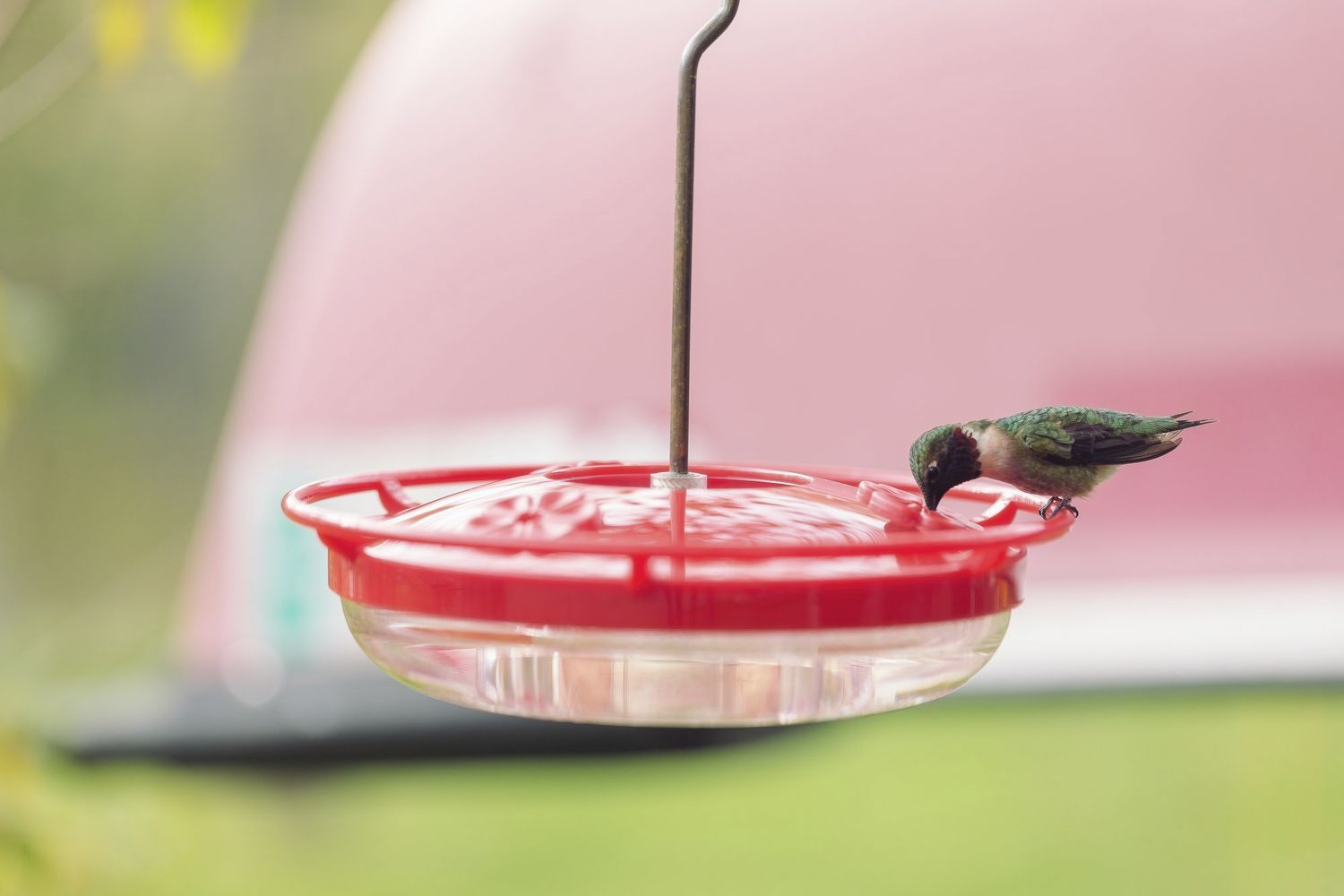
Hummingbirds are among the most fascinating and beautiful birds in the world. Their iridescent feathers, rapid wingbeats, and hovering flight make them a joy to watch. One of the best ways to attract these tiny birds to your yard is by providing homemade hummingbird food. The good news is that making hummingbird food is simple, affordable, and far healthier than many store-bought alternatives.
This in-depth guide explains how to make hummingbird food correctly, the ideal sugar-to-water ratio, step-by-step instructions, safety tips, feeder maintenance, seasonal considerations, and common mistakes to avoid. By following these guidelines, you can help hummingbirds stay energized and healthy throughout the year.
What Is Hummingbird Food?
Hummingbird food is a simple sugar-water solution that mimics the natural nectar found in flowers. In the wild, hummingbirds feed on flower nectar, which provides them with the carbohydrates they need to fuel their extremely high metabolism.
Homemade hummingbird food is designed to replicate this natural energy source without harmful additives.
Why Make Hummingbird Food at Home?
Many commercial hummingbird nectars contain artificial dyes, preservatives, or unnecessary ingredients. Making your own hummingbird food offers several benefits:
- Uses only natural ingredients
- Costs significantly less than store-bought nectar
- Is safer for hummingbirds
- Allows full control over quality and freshness
The Ideal Hummingbird Food Recipe
The classic hummingbird food recipe uses only two ingredients.
Sugar-to-Water Ratio
The correct ratio is:
1 part white granulated sugar to 4 parts water
This ratio closely matches the sugar concentration found in natural flower nectar.
Ingredients You Will Need
- White granulated sugar
- Clean drinking water
Step-by-Step: How to Make Hummingbird Food
Making hummingbird food takes only a few minutes.
Step 1: Measure the Ingredients
Measure:
- 1 cup white sugar
- 4 cups water
Step 2: Heat the Water
Bring the water to a boil or near-boil. Heating helps dissolve the sugar completely and kills potential bacteria or mold spores.
Step 3: Add the Sugar
Add the sugar to the hot water and stir until fully dissolved. The liquid should be clear, not cloudy.
Step 4: Let the Mixture Cool
Allow the sugar water to cool completely before filling your hummingbird feeder. Hot nectar can harm hummingbirds.
Step 5: Fill the Feeder
Pour the cooled nectar into a clean hummingbird feeder and place it outside.
Do You Need to Boil Hummingbird Food?
Boiling is not strictly required, but it is recommended.
Benefits of Boiling
- Helps dissolve sugar faster
- Reduces bacteria and mold growth
- Extends nectar freshness slightly
What Sugar Should You Use?
Only white granulated cane sugar should be used for hummingbird food.
Sugars That Are Safe
- White granulated sugar
Sugars to Avoid
- Brown sugar
- Raw sugar
- Powdered sugar
- Honey
- Artificial sweeteners
Why You Should Never Add Red Dye
Many people believe red dye attracts hummingbirds. This is a common myth.
Why Red Dye Is Harmful
- Artificial dyes can be toxic to birds
- No nutritional benefit
- May cause health problems
Choosing the Right Hummingbird Feeder
A good feeder can make a big difference in attracting hummingbirds.
Features of a Good Feeder
- Red accents
- Easy-to-clean design
- Leak-resistant construction
- Bee guards
Where to Place Your Hummingbird Feeder
Feeder placement plays an important role in hummingbird activity.
Ideal Placement Tips
- Hang feeders in partial shade
- Keep them visible but sheltered
- Place feeders 10–15 feet apart if using multiple feeders
- Keep feeders away from predators
How Often Should You Change Hummingbird Food?
Freshness is critical for hummingbird health.
Recommended Schedule
- Every 2–3 days in hot weather
- Every 4–5 days in cooler weather
- Immediately if nectar looks cloudy
Cleaning Your Hummingbird Feeder
Regular cleaning prevents mold and bacteria buildup.
How to Clean a Feeder
- Empty remaining nectar
- Wash with hot water
- Use a bottle brush if needed
- Avoid soap or harsh chemicals
- Rinse thoroughly
Seasonal Feeding Tips
Hummingbird feeding needs change throughout the year.
Spring Feeding
Early spring feeders help migrating hummingbirds replenish energy. Put feeders out before flowers bloom.
Summer Feeding
Change nectar frequently due to heat. Monitor feeders closely for spoilage.
Fall Feeding
Continue feeding through fall migration. Feeders do not prevent hummingbirds from migrating.
Winter Feeding
In mild climates, hummingbirds may overwinter. Provide fresh nectar daily and protect feeders from freezing.
Can You Store Homemade Hummingbird Food?
Yes, homemade nectar can be stored.
Storage Guidelines
- Store in a sealed container
- Keep refrigerated
- Use within 7 days
Common Mistakes to Avoid
Avoiding these mistakes keeps hummingbirds safe.
Using the Wrong Sugar
Only white sugar should be used.
Adding Dyes or Flavorings
Never add red dye, fruit juice, or sweeteners.
Letting Nectar Spoil
Old nectar can ferment quickly, especially in heat.
Infrequent Feeder Cleaning
Dirty feeders promote mold and bacteria.
Do Hummingbirds Need More Than Sugar Water?
Sugar water provides energy but not all nutrients.
Natural Food Sources
Hummingbirds also eat:
- Small insects
- Spiders
- Tree sap
Best Plants to Attract Hummingbirds
Complement feeders with natural nectar sources.
Hummingbird-Friendly Plants
- Trumpet vine
- Bee balm
- Salvia
- Fuchsia
- Cardinal flower
How Much Hummingbird Food Should You Make?
Start small and adjust based on activity.
- One feeder typically holds enough nectar for a few days
- Increase quantity as bird visits increase
Is Homemade Hummingbird Food Safe?
Yes, when made correctly, homemade hummingbird food is safe and beneficial.
It closely mimics natural nectar and avoids harmful additives found in some commercial products.
Final Thoughts: How to Make Hummingbird Food
Making hummingbird food at home is easy, inexpensive, and rewarding. With just white sugar and water, you can provide a reliable energy source that supports hummingbirds’ health and survival. By using the correct ratio, keeping feeders clean, and replacing nectar regularly, you create a safe and welcoming environment for these remarkable birds.
Whether you’re a first-time feeder or an experienced bird enthusiast, following proper hummingbird food guidelines ensures that your backyard becomes a trusted stop for hummingbirds season after season.