
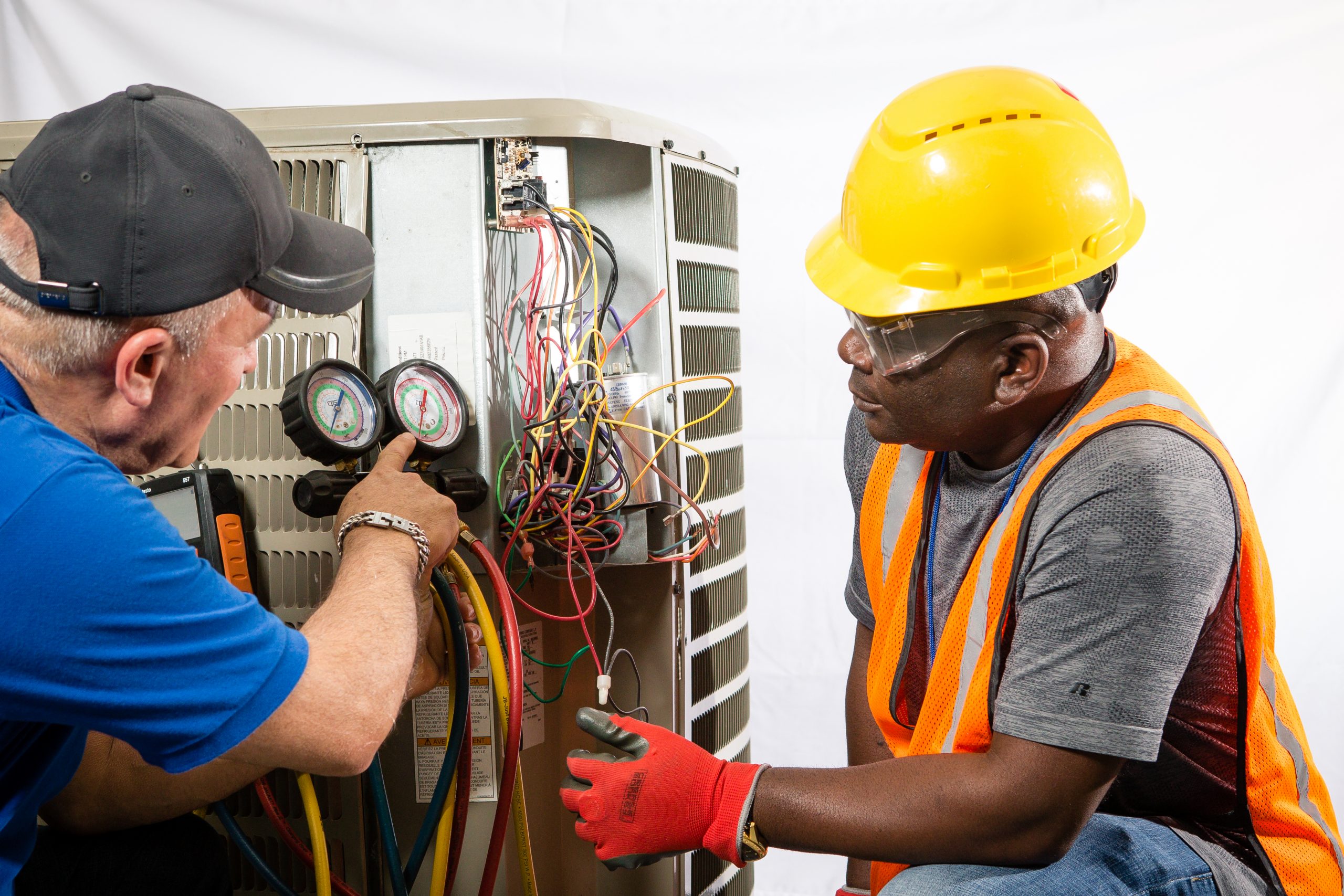
Starting a heating and air conditioning business can be a profitable and stable venture. HVAC services are essential in both residential and commercial markets, providing year-round demand regardless of economic conditions. Whether it’s heating systems in winter or air conditioning in summer, customers rely on skilled professionals to maintain comfort, safety, and energy efficiency.
If you’re wondering how to start a heating and air conditioning business, this guide will walk you through every step—from gaining the right experience and licenses to setting up operations, pricing services, and growing a sustainable company.
Understanding the HVAC Industry
The HVAC industry includes services related to heating, ventilation, and air conditioning systems. Common services include:
- Installation of heating and cooling systems
- Repairs and emergency services
- Preventive maintenance
- Energy efficiency upgrades
- Commercial HVAC services
Step 1: Gain the Required HVAC Experience and Training
Before starting an HVAC business, you need solid technical expertise.
HVAC Education and Training Options
Most HVAC professionals begin with:
- Trade school or technical college programs
- Apprenticeships with licensed HVAC contractors
- On-the-job training
Required Certifications
Most states require HVAC technicians to hold certifications such as:
- EPA Section 608 Certification (mandatory for handling refrigerants)
- State or local HVAC licenses
- Manufacturer-specific training certifications
Step 2: Create a Business Plan
A detailed business plan helps you define your goals and secure financing if needed.
Key Components of an HVAC Business Plan
Your plan should include:
- Business structure and ownership
- Target market (residential, commercial, or both)
- Services offered
- Startup costs and budget
- Pricing strategy
- Marketing plan
- Growth projections
Step 3: Choose Your Business Structure
Selecting the right legal structure protects you financially and determines how your business is taxed.
Common HVAC Business Structures
- Sole Proprietorship
- Limited Liability Company (LLC)
- Partnership
- Corporation
Step 4: Register Your Business and Obtain Licenses
Legal compliance is critical when starting an HVAC business.
Business Registration
You’ll need to:
- Register your business name
- Obtain an Employer Identification Number (EIN)
- Register for state and local taxes
Required Licenses and Permits
Licensing requirements vary by state but often include:
- HVAC contractor license
- Business license
- Local permits
- Bonding requirements
Step 5: Get Insurance Coverage
Insurance protects your business from financial risks.
Essential Insurance Policies
- General liability insurance
- Workers’ compensation insurance
- Commercial auto insurance
- Professional liability insurance
- Property insurance
Step 6: Secure Startup Capital
Starting a heating and air conditioning business requires upfront investment.
Typical Startup Costs
- HVAC tools and diagnostic equipment
- Service vehicle or van
- Inventory and replacement parts
- Licensing and insurance fees
- Office setup and software
- Marketing and branding
Funding Options
- Personal savings
- Small business loans
- Equipment financing
- Business credit lines
- Investor funding
Step 7: Purchase HVAC Tools and Equipment
Reliable equipment is essential for professional service delivery.
Essential HVAC Tools
- Refrigerant gauges
- Leak detectors
- Multimeters
- Vacuum pumps
- Recovery machines
- Power tools
Step 8: Set Up Business Operations
Efficient operations help your HVAC business run smoothly.
Office and Scheduling Systems
Implement systems for:
- Customer scheduling
- Dispatching technicians
- Invoicing and payments
- Inventory management
Establish Supplier Relationships
Partner with reliable suppliers for:
- HVAC systems
- Replacement parts
- Tools and materials
Step 9: Set Competitive Pricing
Pricing your services correctly is crucial for profitability.
Common HVAC Pricing Models
- Flat-rate pricing
- Hourly labor rates
- Maintenance contracts
- Seasonal service packages
Maintenance Agreements
Offering service contracts provides:
- Predictable recurring revenue
- Customer loyalty
- Reduced emergency calls
Step 10: Build Your HVAC Brand
Branding helps establish trust and recognition in your local market.
Branding Essentials
- Business name and logo
- Professional uniforms
- Vehicle wraps
- Website and online presence
Step 11: Market Your Heating and Air Conditioning Business
Marketing is essential to attract and retain customers.
Effective HVAC Marketing Strategies
- Local SEO and Google Business Profile
- Online reviews and testimonials
- Paid online advertising
- Direct mail campaigns
- Social media marketing
- Referral programs
Step 12: Hire and Train Employees
As your business grows, you may need additional technicians or office staff.
Hiring Tips
- Look for licensed or certifiable technicians
- Provide ongoing training
- Emphasize customer service skills
Step 13: Focus on Customer Service
Customer satisfaction drives repeat business and referrals.
Ways to Improve Customer Experience
- Clear communication
- On-time service
- Transparent pricing
- Clean and professional work
- Follow-up after service
Step 14: Expand Services Over Time
Once established, consider expanding your offerings.
Potential Expansion Areas
- Commercial HVAC services
- Smart thermostat installations
- Energy efficiency audits
- Indoor air quality solutions
- Duct cleaning services
Step 15: Manage Finances and Cash Flow
Strong financial management ensures long-term success.
Financial Best Practices
- Track income and expenses
- Set aside funds for taxes
- Monitor profit margins
- Plan for slow seasons
Step 16: Scale Your HVAC Business
Scaling allows you to grow revenue and market presence.
Scaling Strategies
- Add service vehicles
- Expand service areas
- Hire additional crews
- Open new locations
- Offer franchise opportunities
Common Challenges When Starting an HVAC Business
Understanding potential challenges helps you prepare.
Common Obstacles
- High startup costs
- Seasonal demand fluctuations
- Licensing complexities
- Competition from established companies
Final Thoughts: Is Starting an HVAC Business Worth It?
Starting a heating and air conditioning business can be both financially rewarding and professionally fulfilling. With consistent demand, strong earning potential, and opportunities for growth, HVAC businesses offer long-term stability. Success depends on technical expertise, sound business planning, strong customer service, and effective marketing.
If you’re willing to invest the time and effort to learn the trade, meet regulatory requirements, and build a solid reputation, starting an HVAC business can be an excellent path to entrepreneurship and financial independence.
If you’d like, I can also provide startup cost breakdowns, state-specific licensing guides, or HVAC marketing templates to help you move forward.