
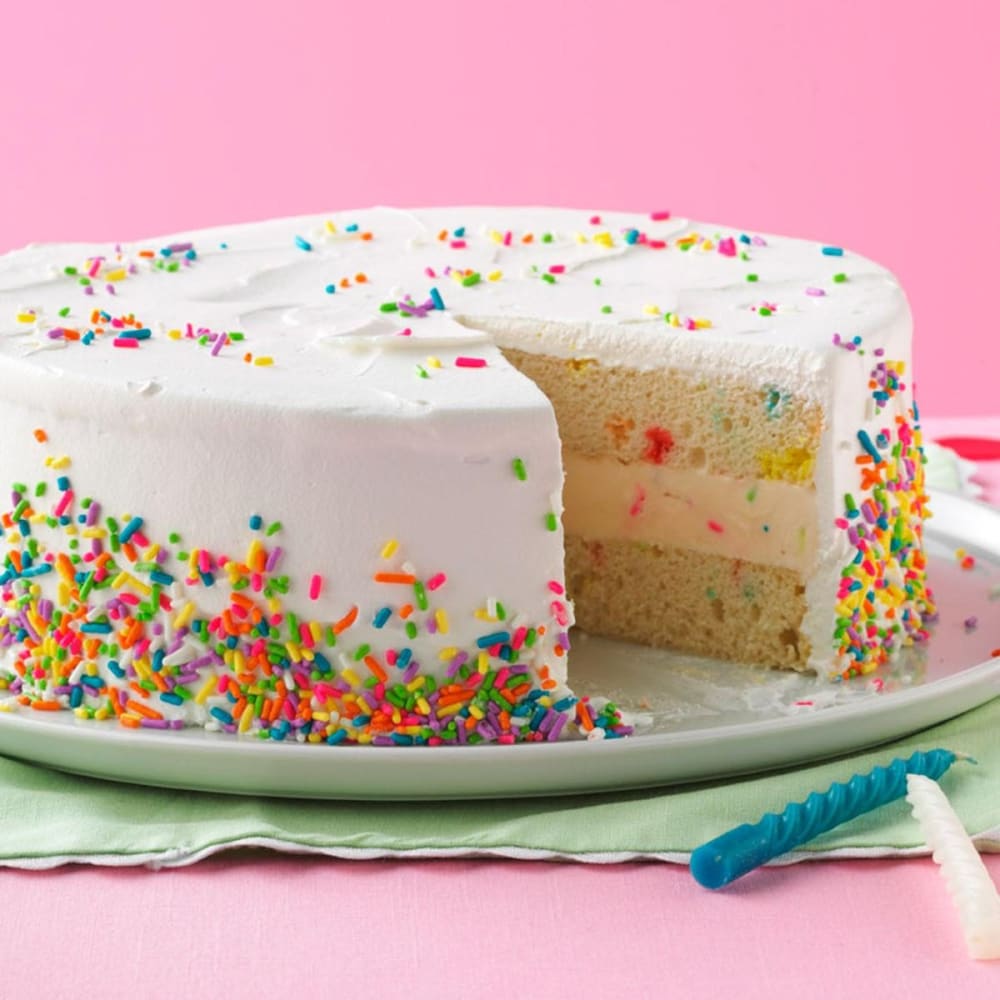
Ice cream cake is the ultimate celebration dessert, combining the creamy indulgence of ice cream with the structure and satisfaction of cake. Whether you’re preparing it for a birthday, anniversary, holiday, or simply because you love frozen treats, learning how to make an ice cream cake at home gives you full control over flavors, textures, and presentation.
This in-depth guide walks you through everything you need to know, from choosing the right components to assembling, freezing, decorating, and storing your ice cream cake. With patience and the right techniques, you can create a show-stopping dessert that rivals anything from a bakery.
What Is an Ice Cream Cake?
An ice cream cake is a layered dessert that typically includes ice cream, cake or cookie layers, and various fillings or mix-ins. Unlike traditional cakes, ice cream cakes rely on freezing rather than baking to set their structure. The result is a dessert that is cold, creamy, and refreshing, with contrasting textures that make each bite interesting.
Ice cream cakes can be simple, with just two layers of ice cream and a crunchy middle, or elaborate, featuring cake layers, sauces, and decorative toppings. The versatility of this dessert is one of its greatest strengths.
Why Make an Ice Cream Cake at Home?
Making an ice cream cake at home has several advantages. You can customize every aspect, from flavors to portion size. Homemade versions often taste fresher and richer, since you can choose high-quality ingredients and avoid overly sweet commercial fillings. It is also a cost-effective way to serve a crowd, especially for special occasions.
Another benefit is creative freedom. You can tailor the cake to dietary preferences, theme it for a party, or recreate a favorite flavor combination that may not be available in stores.
Essential Tools and Equipment
Before you begin, gather the tools you’ll need to make the process smooth and stress-free.
A springform pan is ideal for ice cream cakes because it allows easy removal. A standard round cake pan can also work if lined carefully with plastic wrap. You will also need a sturdy spatula, preferably offset, for spreading layers evenly. Parchment paper or plastic wrap helps with clean assembly and removal.
A freezer with enough space to keep the cake flat is essential. Patience is just as important as equipment, since freezing time determines the final texture and stability of your cake.
Choosing Your Ice Cream Flavors
The foundation of any ice cream cake is the ice cream itself. Choosing flavors that complement each other is key to a balanced dessert.
Classic combinations include chocolate and vanilla, cookies and cream with chocolate, or strawberry paired with vanilla. For more adventurous options, consider mint chocolate chip with fudge layers, coffee with caramel, or mango paired with coconut.
It is best to use full-fat ice cream, as it freezes more smoothly and holds its shape better than low-fat or no-churn alternatives. Let the ice cream soften slightly before assembling to make spreading easier, but avoid letting it melt completely.
Selecting a Cake or Base Layer
While some ice cream cakes consist entirely of ice cream, many include a cake or cookie layer for structure and contrast.
Chocolate cake, vanilla sponge, or brownie layers are popular choices. The cake should be fully cooled before assembly and ideally baked a day ahead. Thin layers work best, as thick cake layers can be difficult to cut when frozen.
For a no-bake option, crushed cookies mixed with melted butter can form a sturdy base. Chocolate sandwich cookies, digestive biscuits, or graham crackers all work well depending on your flavor theme.
Popular Fillings and Middle Layers
One of the most exciting parts of making an ice cream cake is choosing the filling. The middle layer often adds crunch or richness and prevents the cake from being one-dimensional.
Crushed cookies, chocolate chips, candy pieces, or cereal can add texture. Fudge sauce, caramel, or fruit compote introduces moisture and flavor contrast. Some ice cream cakes include a thin layer of whipped cream or frosting to soften the transition between layers.
When adding sauces, use them sparingly and freeze each layer before adding the next to prevent bleeding or mixing.
Preparing Your Pan for Assembly
Proper pan preparation ensures your cake comes out cleanly and looks professional.
Line the bottom and sides of your pan with plastic wrap or parchment paper, leaving extra overhang. This overhang acts as handles when lifting the cake out later. If using a springform pan, lining is still recommended for smooth sides.
Chill the pan in the freezer for a few minutes before adding the first layer. A cold pan helps the ice cream set more quickly and evenly.
Step-by-Step Assembly Process
Step One: The First Ice Cream Layer
Start with your first ice cream flavor. Spoon the softened ice cream into the prepared pan and spread it evenly using a spatula. Press gently to remove air pockets, which can cause uneven layers.
Once smooth, place the pan in the freezer for at least 30 to 45 minutes, or until the layer is firm to the touch.
Step Two: Adding the Filling or Cake Layer
Remove the pan from the freezer and add your chosen filling or cake layer. If using cake, trim it to fit the pan exactly. Press it gently into the ice cream layer.
If adding a sauce, drizzle it evenly and spread lightly, being careful not to disturb the frozen layer underneath. Freeze again until firm.
Step Three: The Second Ice Cream Layer
Add the second ice cream flavor on top of the filling or cake layer. Spread evenly, smoothing the surface as much as possible. This top layer will become the base when the cake is unmolded, so take extra care to level it.
Return the cake to the freezer and freeze for several hours, ideally overnight, until completely solid.
Unmolding the Ice Cream Cake
When the cake is fully frozen, it is ready to be unmolded. Remove it from the freezer and let it sit at room temperature for two to three minutes. This brief rest helps release the sides.
If using a springform pan, gently release the latch and lift the sides away. If using a regular pan, use the plastic wrap overhang to lift the cake out. Place it onto a serving plate or cake board.
Work quickly to prevent melting, but avoid forcing the cake out, as this can crack the layers.
Decorating Your Ice Cream Cake
Decoration transforms a homemade ice cream cake into a centerpiece dessert. Because the cake is frozen, timing and temperature are crucial.
Whipped cream is a popular choice because it spreads easily and complements ice cream flavors. Use stabilized whipped cream if you want decorations to hold longer. Frost the cake quickly and return it to the freezer to set.
Other decoration ideas include chocolate ganache poured over the top, sprinkles pressed into the sides, crushed cookies, or fresh fruit added just before serving. Piped borders and writing should be done swiftly to maintain clean lines.
Flavor Variations and Creative Ideas
One of the joys of making an ice cream cake is experimenting with flavors and themes.
For a chocolate lover’s cake, combine chocolate ice cream, brownie layers, and fudge sauce. For a fruity version, use sorbet layers with vanilla ice cream and a berry compote center. A cookies and cream cake can feature cookie crusts, cookies and cream ice cream, and whipped topping.
Seasonal flavors also work well. Think pumpkin spice ice cream with vanilla cake in autumn or lemon ice cream with shortbread in summer.
Common Mistakes and How to Avoid Them
One common mistake is assembling layers that are too soft. Always refreeze between steps to maintain clean layers. Another issue is overfilling the pan, which can make unmolding difficult. Leave a small gap at the top to allow for expansion.
Using overly thick cake layers can make slicing challenging. Aim for balance, with ice cream as the star. Lastly, rushing decoration can lead to melting and uneven finishes, so plan your steps carefully.
How to Slice and Serve Ice Cream Cake
Slicing an ice cream cake requires a sharp knife and a bit of technique. Run the knife under hot water, wipe it dry, and make clean cuts. Repeat between slices for neat edges.
Serve immediately after slicing, or return slices to the freezer if serving later. Ice cream cake is best enjoyed slightly softened, so letting it sit for a few minutes before eating enhances flavor and texture.
Storage and Make-Ahead Tips
Ice cream cake is an excellent make-ahead dessert. Once assembled and fully frozen, wrap it tightly in plastic wrap and then in foil to prevent freezer burn. Stored properly, it can last up to one week in the freezer without significant quality loss.
Decorations like whipped cream are best added within a day of serving. If storing longer, decorate just before the event for the freshest appearance.
Final Thoughts on Making Ice Cream Cake at Home
Learning how to make an ice cream cake opens the door to endless dessert possibilities. With a bit of planning, the right ingredients, and careful freezing, you can create a dessert that is both impressive and deeply satisfying.
Homemade ice cream cake allows you to celebrate creatively, tailor flavors to your taste, and enjoy the process as much as the final result. Once you master the basics, each new cake becomes an opportunity to experiment, personalize, and delight anyone lucky enough to share a slice.