
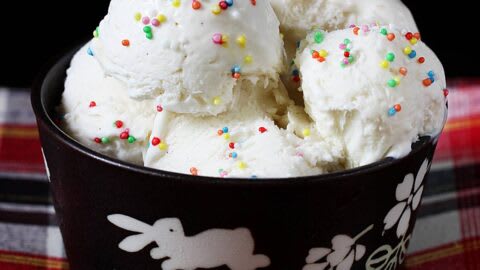
Ice cream is one of the world’s most beloved desserts, enjoyed across cultures, ages, and seasons. While it may seem simple—a cold, sweet treat—ice cream is actually the result of a carefully controlled process that blends culinary art with food science. From selecting ingredients to managing temperature, air, and texture, every step influences the final scoop.
This in-depth guide explores how ice cream is made, from its basic components to industrial-scale production and even homemade methods. By the end, you’ll understand not only how ice cream is made, but why each step matters.
A Brief History of Ice Cream Making
Before diving into the modern process, it helps to understand where ice cream came from. Frozen desserts date back thousands of years. Ancient civilizations in China, Persia, and Rome enjoyed mixtures of snow or ice flavored with honey, fruit, or syrups. These early versions were not ice cream as we know it today, but they laid the groundwork.
True ice cream, made with milk or cream, began to emerge in Europe during the 16th and 17th centuries. As techniques for preserving ice and controlling temperature improved, frozen dairy desserts became more refined. The invention of hand-cranked ice cream freezers in the 19th century and later industrial refrigeration transformed ice cream from a luxury into a mass-produced treat.
What Is Ice Cream Made Of?
At its core, ice cream is a frozen emulsion and foam. It contains several key components that work together to create its smooth, creamy texture.
Primary Ingredients
Most traditional ice creams include:
- Milk
- Cream
- Sugar
- Stabilizers and emulsifiers
- Flavorings
Each ingredient plays a specific role in taste, texture, and structure.
Milk and Cream
Milk provides water, milk proteins, and lactose. Cream contributes fat, which is crucial for richness and smooth mouthfeel. The balance between milk and cream determines whether an ice cream feels light or indulgent.
Sugar
Sugar does more than sweeten ice cream. It lowers the freezing point of the mixture, which helps keep ice cream soft enough to scoop. Different sugars, such as sucrose, glucose, or corn syrup, affect texture in different ways.
Stabilizers and Emulsifiers
Stabilizers like guar gum or locust bean gum help prevent ice crystals from growing too large, which keeps ice cream smooth over time. Emulsifiers, such as egg yolks or lecithin, help fat and water stay evenly mixed.
Flavorings and Add-ins
Flavorings can be natural or artificial and include vanilla, cocoa, fruit purees, spices, and extracts. Add-ins like chocolate chips, nuts, or cookie pieces are usually added later in the process.
The Science Behind Ice Cream
Ice cream is a complex structure made up of ice crystals, air bubbles, fat globules, and a concentrated sugar solution. The goal of ice cream making is to control the size and distribution of these elements.
- Small ice crystals create a smooth texture
- Evenly distributed air gives ice cream lightness
- Fat helps trap air and carry flavor
Temperature control, mixing speed, and ingredient ratios all influence this delicate balance.
Step 1: Creating the Ice Cream Mix
The process begins by measuring and blending the ingredients into a liquid mixture known as the ice cream mix or base.
Mixing Ingredients
Milk, cream, sugar, stabilizers, and emulsifiers are combined in precise proportions. At this stage, the mixture is still liquid and unflavored or lightly flavored.
Consistency is critical. Too much fat can make ice cream greasy, while too little can make it icy.
Step 2: Pasteurization
Pasteurization involves heating the ice cream mix to kill harmful bacteria and make the product safe to eat. This step is essential in both commercial and artisanal ice cream production.
Typically, the mix is heated to a specific temperature for a set amount of time, then cooled rapidly. Pasteurization also helps dissolve sugars and activate stabilizers.
Step 3: Homogenization
After pasteurization, the mix is homogenized. This process forces the mixture through small openings under high pressure, breaking fat globules into tiny, evenly sized particles.
Homogenization improves texture and stability by preventing fat from separating. It also enhances creaminess and ensures consistent flavor in every bite.
Step 4: Aging the Mix
Once homogenized, the ice cream mix is cooled and allowed to rest for several hours, often overnight. This stage is called aging.
Why Aging Matters
During aging:
- Fat partially crystallizes
- Proteins and stabilizers fully hydrate
- The mix becomes thicker and more stable
Aged mix freezes better and produces smoother ice cream with better body and melt resistance.
Step 5: Freezing and Churning
Freezing is the most critical stage in ice cream making. It transforms the liquid mix into a semi-solid foam.
Continuous Freezing
In commercial production, the mix enters a freezer where it is rapidly cooled while being continuously stirred. This agitation prevents large ice crystals from forming.
Incorporating Air
As the mix freezes, air is whipped in. The amount of air added is known as overrun. Overrun affects volume, texture, and density.
- Low overrun results in dense, rich ice cream
- High overrun creates lighter, fluffier ice cream
Premium ice creams usually have lower overrun, while mass-market brands often use higher overrun.
Step 6: Adding Inclusions
Solid ingredients like chocolate chunks, fruit pieces, or nuts are added near the end of the freezing process. Adding them too early could cause them to sink or break apart.
These inclusions must be evenly distributed to ensure consistent texture and flavor throughout the ice cream.
Step 7: Hardening
After initial freezing, ice cream is still soft. It is then transferred to a hardening freezer, where it is rapidly frozen at very low temperatures.
Purpose of Hardening
Hardening:
- Locks in air bubbles
- Prevents ice crystals from growing
- Improves shelf life and texture
Fast hardening is especially important for maintaining quality during storage and transportation.
Step 8: Packaging and Storage
Once hardened, ice cream is packaged into containers ranging from small cups to large tubs. Packaging protects ice cream from air, light, and temperature fluctuations.
Proper cold storage is essential. Even small temperature changes can cause ice crystals to grow, leading to a gritty texture over time.
Industrial vs Artisanal Ice Cream Making
While the core steps are similar, there are differences between large-scale industrial production and small-batch artisanal methods.
Industrial Ice Cream
- Uses automated, continuous freezers
- Often includes stabilizer blends
- Higher overrun for cost efficiency
- Designed for long shelf life
Artisanal Ice Cream
- Made in small batches
- Often uses fresh, local ingredients
- Lower overrun for denser texture
- Focuses on unique flavors and freshness
Both approaches rely on the same scientific principles, but their goals and constraints differ.
How Ice Cream Is Made at Home
Home ice cream makers simplify the process but follow the same basic steps.
Typical Home Method
- Prepare a custard or base
- Chill the mixture thoroughly
- Churn in an ice cream maker
- Freeze to firm up
Some no-churn recipes rely on whipped cream and sweetened condensed milk, eliminating the need for specialized equipment. While convenient, these methods offer less control over texture.
Common Ice Cream Defects and How They Occur
Not all ice cream turns out perfectly. Common issues include:
Icy Texture
Usually caused by large ice crystals, often due to slow freezing or temperature fluctuations.
Grainy or Sandy Texture
Often the result of lactose crystallization, which can occur if sugar balance is off.
Greasy Mouthfeel
Can happen if fat globules clump together too much, often due to improper homogenization.
Understanding the process helps manufacturers and home cooks avoid these problems.
Innovations in Ice Cream Making
Modern ice cream production continues to evolve. Innovations include:
- Plant-based ice creams using almond, oat, or coconut milk
- Reduced-sugar formulations
- High-protein ice creams
- Sustainable packaging and sourcing
Advances in food science allow manufacturers to create new textures and flavors while meeting dietary preferences and environmental concerns.
Sustainability and Ice Cream Production
Ice cream production has an environmental footprint, particularly due to dairy farming and refrigeration.
Efforts to improve sustainability include:
- Using renewable energy in factories
- Reducing water usage
- Sourcing milk from responsible farms
- Developing dairy-free alternatives
These initiatives aim to make ice cream more environmentally friendly without sacrificing quality.
Why Ice Cream Tastes Better When Made Well
The pleasure of ice cream comes from its balance of sweetness, creaminess, coldness, and flavor release. When the process is done correctly, these elements work together seamlessly.
Good ice cream melts slowly, coats the tongue, and delivers flavor evenly. Poorly made ice cream, by contrast, can feel icy, flat, or heavy.
Conclusion
Ice cream may look simple, but it is one of the most intricate foods to produce. From carefully balancing ingredients to controlling temperature and air, each step in the process is essential to the final result.
Whether made in a large factory or a home kitchen, ice cream relies on the same fundamental principles of chemistry and physics. Understanding how ice cream is made not only deepens appreciation for this classic dessert, but also highlights the skill and science behind every scoop.
The next time you enjoy ice cream, you’ll know that it’s not just frozen sweetness—it’s a carefully crafted combination of ingredients, technique, and time.