
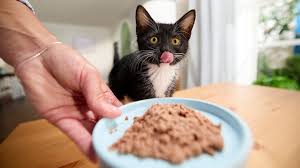
Feeding a kitten correctly during its early months is one of the most important responsibilities of any cat owner. Proper nutrition supports healthy growth, strong bones, brain development, and a robust immune system. One of the most common questions new kitten owners ask is: how much wet food should I feed my kitten?
The answer depends on several factors, including your kitten’s age, weight, activity level, and the specific wet food you are using. This in-depth guide will walk you through everything you need to know about feeding wet food to kittens, from portion sizes and feeding schedules to common mistakes and practical tips for long-term success.
Why Wet Food Is Important for Kittens
Wet food plays a critical role in a kitten’s diet, especially during the first year of life.
High Moisture Content
Kittens are not naturally inclined to drink large amounts of water. Wet food helps keep them hydrated, which is essential for kidney health and overall bodily function. Proper hydration early in life sets the foundation for healthier urinary and kidney systems as your kitten grows.
Easier to Eat and Digest
Wet food has a soft texture that is easier for kittens to chew and swallow, particularly when their teeth are still developing. This makes it an excellent choice for young kittens who are transitioning from their mother’s milk to solid food.
Nutrient-Dense Calories
Kittens grow rapidly and require more calories per pound of body weight than adult cats. High-quality wet kitten food is formulated to provide the protein, fats, vitamins, and minerals needed to fuel this growth.
Understanding a Kitten’s Nutritional Needs
Before determining how much wet food to feed, it’s important to understand what kittens need nutritionally.
High Protein Requirements
Protein is the most critical nutrient for kittens. It supports muscle development, organ function, and energy levels. Wet kitten food typically contains animal-based proteins that are easier for kittens to digest and utilize.
Healthy Fats for Growth and Energy
Fats provide concentrated energy and support brain and vision development. DHA, an omega-3 fatty acid often found in kitten food, is particularly important for cognitive development.
Essential Vitamins and Minerals
Kittens require balanced levels of calcium, phosphorus, and other micronutrients to support bone growth and immune health. Feeding food labeled specifically for kittens ensures these nutrients are present in appropriate amounts.
How Much Wet Food to Feed a Kitten by Age
A kitten’s age is the most important factor in determining how much wet food they need each day.
Feeding Wet Food to Kittens 4 to 8 Weeks Old
At this stage, kittens are just beginning the weaning process.
Feeding Guidelines
Kittens aged 4 to 5 weeks should be introduced to wet food mixed with kitten milk replacer or warm water to create a soft gruel. By 6 to 8 weeks, they can usually eat wet food on its own.
On average, kittens in this age range may eat:
- About 1 to 2 small meals of wet food per day at first
- Gradually increasing to 3 to 4 small meals daily
Portions should be small, as their stomachs are tiny. Start with a tablespoon or two per meal and adjust based on appetite.
Key Tips
Always ensure the food is formulated for kittens. Monitor their weight and energy levels closely during this transition period.
Feeding Wet Food to Kittens 8 to 12 Weeks Old
This is a period of rapid growth and increased energy.
Feeding Guidelines
Kittens between 8 and 12 weeks typically require:
- 3 to 4 meals per day
- Approximately 1 to 1.5 cans (3-ounce cans) of wet kitten food per day, depending on calorie content
Check the feeding chart on the food packaging, as calorie density varies between brands.
Why Frequent Meals Matter
Kittens burn energy quickly. Multiple meals help maintain stable blood sugar levels and support consistent growth.
Feeding Wet Food to Kittens 3 to 6 Months Old
As kittens grow, their appetites increase significantly.
Feeding Guidelines
At this stage, most kittens need:
- 3 meals per day
- Around 1.5 to 2.5 cans of wet food daily
Active kittens or larger breeds may require more food, while smaller or less active kittens may need slightly less.
Monitoring Growth
You should notice steady weight gain and a playful, energetic demeanor. Ribs should not be visible, but you should be able to feel them gently under the skin.
Feeding Wet Food to Kittens 6 to 12 Months Old
This is the final stage before adulthood.
Feeding Guidelines
Kittens in this age range typically eat:
- 2 to 3 meals per day
- Around 2 to 3 cans of wet food per day
Some kittens may begin to self-regulate their intake, but others will continue to eat enthusiastically.
Transitioning Toward Adult Feeding
While kittens still need kitten-formulated food, this is a good time to establish a consistent feeding routine that will carry into adulthood.
How to Read Wet Food Labels and Feeding Charts
Understanding food labels is essential for accurate feeding.
Calories Matter More Than Cans
Not all wet food cans contain the same number of calories. One brand’s 3-ounce can may contain 70 calories, while another may have 100 or more.
Always look for:
- Calories per can or per ounce
- Feeding recommendations based on weight and age
Use Feeding Charts as a Starting Point
Feeding charts provide general guidance, but they are not one-size-fits-all. Your kitten’s individual needs may be higher or lower.
Wet Food Only vs Mixed Feeding
Many owners wonder whether they should feed only wet food or combine it with dry food.
Feeding Only Wet Food
A wet-food-only diet can be very healthy for kittens if the food is complete and balanced.
Benefits include:
- Better hydration
- Lower risk of overeating
- Easier digestion
If feeding only wet food, be sure to provide enough calories spread across multiple meals.
Combining Wet and Dry Food
Some owners choose to feed a combination of wet and dry food.
How to Balance Portions
If you feed both, reduce the amount of wet food accordingly. For example:
- If your kitten eats one can of wet food daily, you may need to reduce dry food portions to avoid overfeeding
Always calculate total daily calories from both food types.
Signs You Are Feeding the Right Amount
Observing your kitten’s body condition and behavior is key.
Healthy Signs
- Steady weight gain
- Shiny coat
- Bright eyes
- High energy and playful behavior
Signs of Underfeeding
- Lethargy
- Visible ribs or hip bones
- Constant crying or begging for food
Signs of Overfeeding
- Rapid or excessive weight gain
- Soft stools or digestive upset
- Lack of interest in play
If you notice any of these signs, adjust portions gradually.
Common Mistakes When Feeding Wet Food to Kittens
Avoiding these mistakes can help keep your kitten healthy.
Feeding Adult Cat Food
Adult cat food does not contain the right balance of nutrients for growing kittens. Always choose food labeled “complete and balanced for kittens” or “all life stages.”
Feeding Too Infrequently
Kittens need multiple meals per day. Feeding once or twice daily may not provide enough energy.
Leaving Wet Food Out Too Long
Wet food can spoil quickly. Discard uneaten food after 30 to 60 minutes, especially in warm environments.
Ignoring Portion Adjustments
As your kitten grows, their food needs change. Portions should be adjusted regularly based on age and weight.
Special Considerations That Affect Feeding Amounts
Some kittens may require special attention when it comes to feeding.
Breed Size
Larger breeds, such as Maine Coons, often require more food than average-sized kittens.
Activity Level
Highly active kittens burn more calories and may need larger portions.
Health Conditions
If your kitten has health issues or digestive sensitivities, consult a veterinarian for personalized feeding advice.
Creating a Healthy Feeding Routine
Consistency is just as important as portion size.
Establish Set Meal Times
Regular feeding times help regulate digestion and prevent overeating.
Use Clean Bowls
Always feed wet food in clean bowls to reduce the risk of bacteria growth.
Monitor and Adjust
Weigh your kitten regularly and adjust food amounts as needed.
When to Consult a Veterinarian
If you are unsure about how much wet food to feed, or if your kitten is not growing as expected, a veterinarian can help.
Seek advice if:
- Your kitten is not gaining weight
- Your kitten has persistent diarrhea or vomiting
- You are transitioning foods and notice problems
Final Thoughts on Feeding Wet Food to Kittens
Feeding the right amount of wet food is essential for raising a healthy, happy kitten. While general guidelines are helpful, every kitten is unique. Factors such as age, size, activity level, and food quality all influence how much wet food your kitten needs.
By choosing high-quality kitten wet food, feeding appropriate portions, and paying attention to your kitten’s body condition and behavior, you can ensure they receive the nutrition they need to thrive during their crucial first year of life.