
Food getting stuck in the esophagus can be frightening, uncomfortable, and sometimes dangerous. While many mild episodes resolve on their own, others require immediate medical attention. Knowing what to do, what not to do, and when to seek help can make a critical difference.
This in-depth guide explains why food becomes stuck in the esophagus, how to recognize different levels of severity, safe techniques that may help dislodge food, and situations where emergency care is essential. It also covers long-term prevention and underlying medical conditions that increase risk.
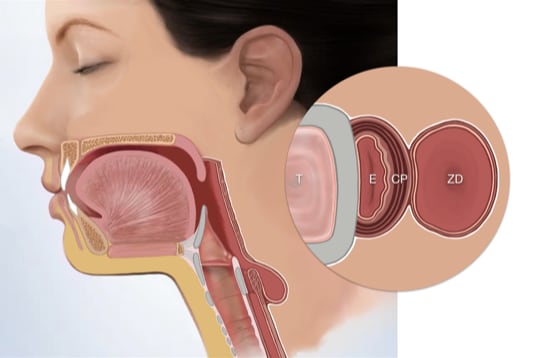
Understanding the Esophagus and Swallowing
The esophagus is a muscular tube that connects the throat to the stomach. When you swallow, coordinated muscle contractions (called peristalsis) move food downward. This process is usually smooth and automatic.
Food can become lodged when:
- The esophagus narrows
- Muscles don’t contract properly
- Food is swallowed too quickly or not chewed well
- Dry or dense foods stick to the esophageal lining
Unlike choking, where the airway is blocked, food stuck in the esophagus typically allows breathing but can still be dangerous if ignored.
Food Stuck in the Esophagus vs. Choking: Know the Difference
Understanding the difference helps you respond correctly.
Food Stuck in the Esophagus
- Breathing is usually possible
- Sensation of pressure or fullness in chest or throat
- Pain when swallowing
- Drooling or inability to swallow saliva
- Feeling that food won’t go down
Choking (Airway Obstruction)
- Difficulty or inability to breathe
- Inability to speak or cough
- Bluish lips or skin
- Panic and clutching the throat
If breathing is impaired, treat it as a choking emergency immediately.
Common Foods That Get Stuck Most Often
Certain foods are more likely to lodge in the esophagus, especially when eaten quickly or without enough moisture.
- Meat (especially steak or chicken)
- Bread or rolls
- Rice or pasta clumps
- Dry foods like crackers
- Pills or large capsules
- Sticky foods such as peanut butter
People with underlying esophageal conditions are especially vulnerable.
Common Causes of Esophageal Food Impaction
Food getting stuck is often a symptom, not just an accident.
Structural Causes
- Esophageal strictures (narrowing)
- Rings or webs in the esophagus
- Tumors or growths
- Scar tissue from acid reflux
Functional Causes
- Weak esophageal muscles
- Poor coordination of swallowing muscles
- Neurological conditions affecting swallowing
Inflammatory Causes
- Chronic acid reflux
- Allergic inflammation of the esophagus
- Infection-related swelling
First Things to Do When Food Feels Stuck
If food feels stuck but breathing is normal, stay calm. Panic can worsen muscle spasms.
Step 1: Stop Eating
Do not try to push more food down. Adding more material can make the blockage worse.
Step 2: Sit Upright
Gravity helps the esophagus work properly. Avoid lying down.
Step 3: Take Slow, Deep Breaths
Relaxation may reduce esophageal muscle spasms that are trapping the food.
Gentle Methods That May Help Dislodge Food
These techniques may help only if breathing is normal and pain is mild.
Sip Warm Water
Warm water can relax the esophagus and help food slide down. Take small sips, not gulps.
Try Carbonated Beverages (With Caution)
Some people find that carbonated drinks help dislodge food by increasing pressure in the esophagus. However, this can worsen pain or cause vomiting in others, so use cautiously.
Gravity-Assisted Positioning
Standing or walking gently may help food move downward naturally.
Swallowing Soft Foods
A small bite of banana, applesauce, or yogurt may help carry the stuck food downward. Do not force it.
What NOT to Do
Some common reactions can make the situation more dangerous.
- Do not force large amounts of water
- Do not swallow dry bread or rice
- Do not induce vomiting
- Do not insert fingers or objects into the throat
- Do not lie flat
- Do not ignore persistent pain
These actions increase the risk of tearing the esophagus or causing aspiration.
When Heimlich Maneuver Is Appropriate
The Heimlich maneuver is only for choking, not for food stuck in the esophagus when breathing is normal.


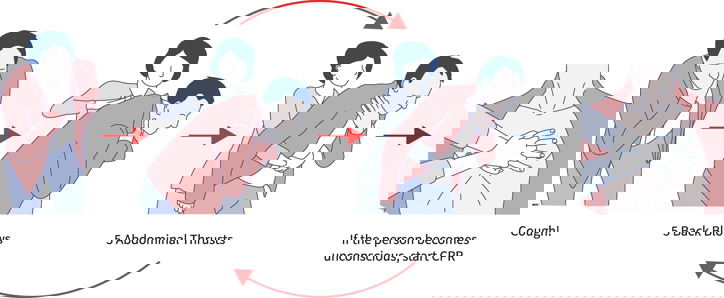
Use Heimlich ONLY if:
- The person cannot breathe
- Cannot speak or cough
- Shows signs of airway obstruction
If you are unsure whether it’s choking or esophageal impaction, prioritize emergency care.
Symptoms That Require Immediate Medical Help
Seek emergency care if any of the following occur:
- Inability to swallow saliva
- Severe chest pain
- Vomiting blood
- Persistent obstruction longer than 1–2 hours
- Fever or signs of infection
- Difficulty breathing
- History of esophageal disease
Delayed treatment increases the risk of esophageal perforation, aspiration pneumonia, and infection.
What Doctors Do to Remove Stuck Food
When home measures fail, medical intervention is often straightforward and safe.
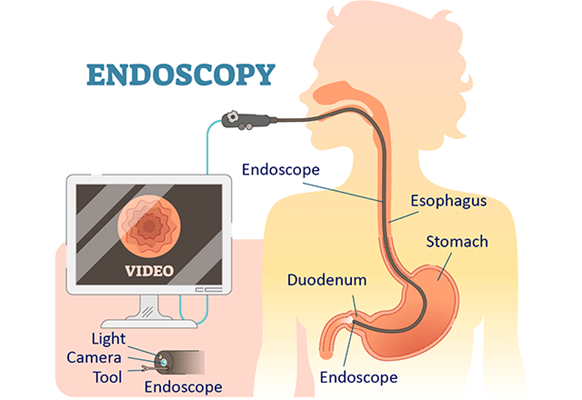
Endoscopic Removal
A flexible tube with a camera and tools is inserted through the mouth to remove or push food into the stomach.



Medications
Muscle relaxants or medications that reduce esophageal spasms may be used in some cases.
Imaging
X-rays or CT scans may be used if complications are suspected.
Prompt treatment usually leads to full recovery.
Risks of Leaving Food Stuck Untreated
Ignoring a stuck food bolus can cause serious complications:
- Esophageal tears or rupture
- Bleeding
- Infection in the chest
- Aspiration into the lungs
- Long-term scarring and narrowing
These risks increase the longer the obstruction remains.
Who Is at Higher Risk?
Some people experience food impaction more often than others.
- Older adults
- People with chronic acid reflux
- Individuals with swallowing disorders
- Those with neurological conditions
- People who eat quickly or don’t chew thoroughly
If this happens repeatedly, medical evaluation is essential.
How to Prevent Food From Getting Stuck
Prevention is especially important if you’ve had previous episodes.
Chew Food Thoroughly
Take smaller bites and chew until food is soft.
Eat Slowly
Rushed eating increases swallowing errors.
Drink Fluids With Meals
Moisture helps food pass smoothly.
Avoid Very Dry Foods
Pair dry foods with sauces or liquids.
Manage Acid Reflux
Controlling reflux reduces inflammation and narrowing.
Follow Medical Advice
If diagnosed with an esophageal condition, follow treatment plans carefully.
Special Considerations for Pills Stuck in the Esophagus
Pills can lodge and dissolve in the esophagus, causing irritation or ulcers.
- Drink plenty of water when taking pills
- Remain upright for at least 30 minutes
- Avoid dry swallowing
If a pill feels stuck and pain persists, seek medical care.
Children and Elderly Adults: Extra Caution
Children and older adults may not clearly express symptoms.
Watch for:
- Drooling
- Refusal to eat
- Chest discomfort
- Unusual coughing or gagging
Early intervention is especially important in these groups.
When Repeated Episodes Occur
Recurring food impaction is a red flag. It often indicates an underlying condition that needs diagnosis and treatment.
Possible long-term evaluations include:
- Swallowing studies
- Endoscopy
- Allergy testing
- Imaging studies
Treating the cause dramatically reduces recurrence.
Key Takeaways
- Food stuck in the esophagus is uncomfortable but often manageable
- Stay calm and avoid forcing food or liquids
- Heimlich maneuver is only for choking, not esophageal blockage
- Persistent or painful symptoms require medical attention
- Repeated episodes should never be ignored
Understanding how to respond safely can prevent complications and ensure quick recovery. When in doubt, seek medical help—prompt care is always safer than waiting.