
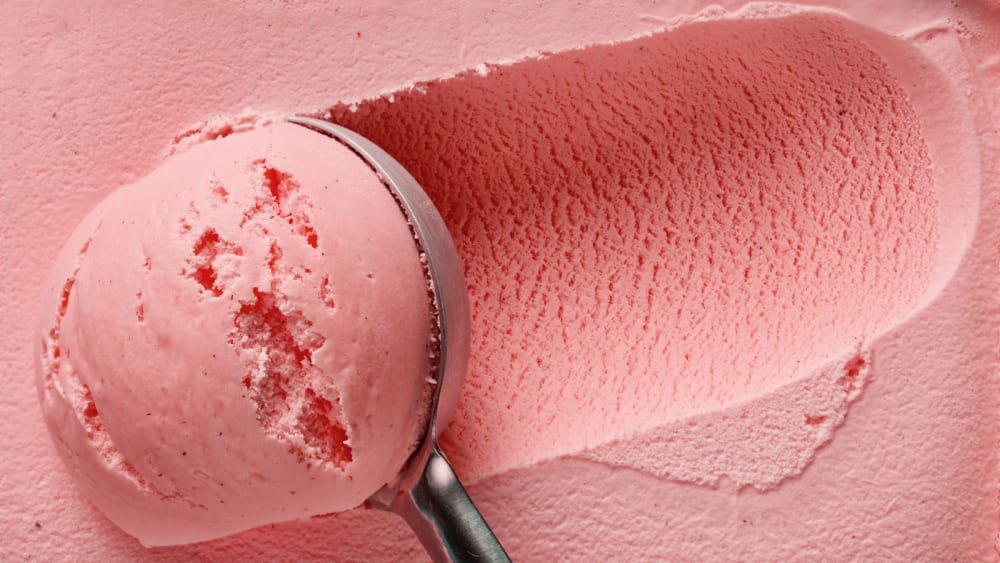
How Long Does Ice Cream Last in the Freezer?
Under ideal conditions, ice cream lasts about 2 to 3 months in the freezer once opened, and up to 6 months if unopened. However, “lasting” does not always mean “tasting good.” Ice cream may remain safe to eat for longer, but its texture and flavor often deteriorate well before it becomes unsafe.
The real answer depends on several factors, including:
- Whether the ice cream is opened or unopened
- How consistently your freezer maintains temperature
- Whether the ice cream contains dairy, eggs, or alcohol
- How often it is thawed and refrozen
Understanding these variables helps you get the best experience from every scoop.
Does Ice Cream Ever Truly Go Bad?
Ice cream is considered a low-risk frozen food when stored at or below 0°F (-18°C). Harmful bacteria generally cannot grow at these temperatures. According to guidance from organizations like the United States Department of Agriculture and the Food and Drug Administration, frozen foods remain safe indefinitely if kept frozen continuously.
That said, quality loss is inevitable. Ice cream doesn’t usually spoil in the traditional sense, but it can become unpleasant to eat due to:
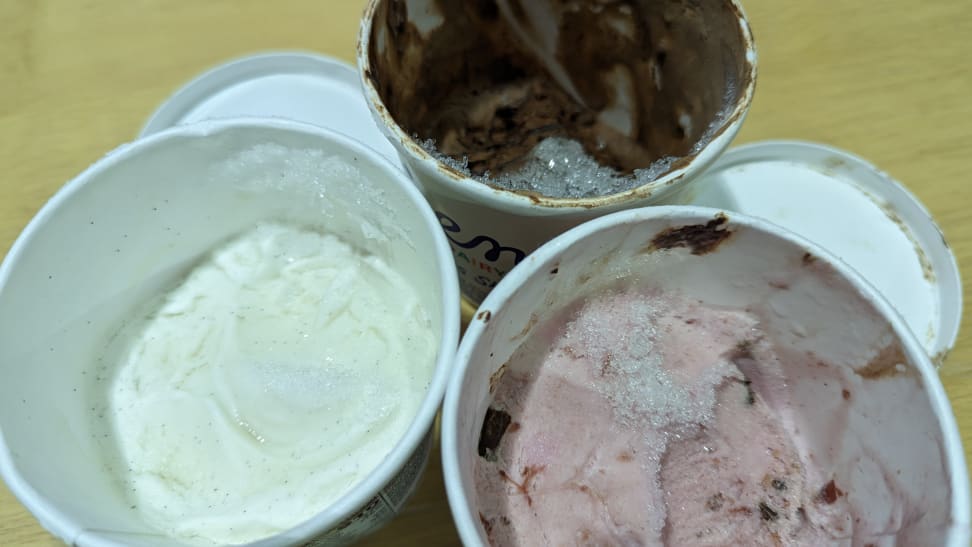
- Ice crystal formation
- Freezer burn
- Absorbed freezer odors
- Flavor breakdown
So while old ice cream may not make you sick, it may no longer be enjoyable.
Shelf Life of Ice Cream by Type
Not all ice creams are created equal. Ingredients and formulation play a major role in how long ice cream holds up in the freezer.
Dairy-Based Ice Cream
Traditional ice cream made with milk, cream, sugar, and eggs is the most common type. It typically lasts:
- Unopened: 4–6 months
- Opened: 1–3 months
Egg yolks and milk fats are prone to flavor changes over time, especially if exposed to air.
Gelato
Gelato has less fat and more milk than traditional ice cream, which makes it denser but also more fragile.
- Unopened: 2–3 months
- Opened: 1–2 months
Gelato loses its smooth texture faster and becomes icy more easily.
Sorbet and Sherbet
These frozen desserts contain little to no dairy, which helps them resist fat oxidation.
- Unopened: 6–9 months
- Opened: 3–4 months
However, they are still vulnerable to ice crystal formation if improperly stored.
Non-Dairy and Vegan Ice Cream
Plant-based ice creams (almond, coconut, oat, soy) vary widely depending on fat content and stabilizers.
- Unopened: 3–6 months
- Opened: 2–3 months
Coconut-based varieties tend to last longer due to higher fat content.
Homemade Ice Cream
Homemade ice cream usually contains fewer stabilizers and preservatives.
- Best quality: 1–2 weeks
- Maximum storage: 1 month
For best results, consume homemade ice cream as soon as possible.
What Happens to Ice Cream Over Time?
Ice cream is a delicate balance of ice crystals, fat droplets, air, and sugar. Time and temperature disrupt that balance.
Ice Crystal Growth
Every time ice cream warms slightly and refreezes, small ice crystals melt and reform into larger ones. This leads to a coarse, crunchy texture instead of smooth creaminess.
Fat Oxidation
The fats in cream can oxidize over time, creating a stale or “cardboard-like” flavor, especially in vanilla or lightly flavored ice creams.
Flavor Absorption
Ice cream absorbs odors from the freezer easily. Strong-smelling foods like fish, onions, or garlic can permanently taint its flavor.
Freezer Burn
Freezer burn occurs when moisture evaporates from the surface, leaving dry, icy patches. While not dangerous, it severely affects texture and taste.

Signs Your Ice Cream Has Gone Bad
Even though ice cream may still be safe, certain signs indicate it’s past its prime.
Visual Clues
- Large ice crystals on the surface
- Frost buildup inside the container
- Shrinking or collapsed ice cream
Texture Changes
- Grainy or crunchy mouthfeel
- Excessively hard or crumbly consistency
- Watery melted texture when thawed
Smell and Taste
- Sour or rancid smell
- Stale or freezer-like taste
- Flavor that seems “muted” or off
If ice cream smells unpleasant or tastes strange, it’s best to discard it.
How Temperature Affects Ice Cream Longevity
The ideal freezer temperature for ice cream is 0°F (-18°C) or lower. Even small fluctuations can significantly shorten its shelf life.
Why Freezer Door Storage Is a Bad Idea
The freezer door experiences the most temperature variation. Storing ice cream there exposes it to frequent warming, which accelerates ice crystal growth.
Power Outages and Thawing
If ice cream completely melts and refreezes, its texture will be severely compromised. If it stayed below 40°F (4°C) and still contains ice crystals, it is generally safe but may not taste good.
Best Practices for Storing Ice Cream
Proper storage can double or even triple the usable life of ice cream.
Keep It Airtight
- Always reseal the lid tightly
- Press plastic wrap directly onto the surface before closing
- Transfer to an airtight container if the original packaging is damaged
Store at the Back of the Freezer
The back maintains the most stable temperature, protecting ice cream from frequent thawing.
Avoid Repeated Thawing
Take ice cream out only when serving, and return it to the freezer immediately. Letting it sit out softens it unevenly and causes refreezing damage.
Store Upside Down (With Caution)
Some people store unopened ice cream containers upside down to reduce air exposure. This can work but may cause leaks if the seal isn’t tight.
Can You Eat Expired Ice Cream?
Ice cream expiration dates are usually “best by” dates, not safety deadlines. Ice cream stored continuously at proper temperatures is often safe beyond this date.
However, you should discard ice cream if:
- It smells sour or rotten
- It has been completely melted and refrozen
- It was left unrefrigerated for more than 2 hours
- It shows signs of contamination or mold (rare but possible)
When in doubt, trust your senses.
How Long Does Ice Cream Last After Being Melted?
Once ice cream melts, its structure is permanently altered. If it has melted completely:
- Do not refreeze for quality reasons
- Discard if it was above 40°F (4°C) for more than 2 hours
Partial melting followed by quick refreezing is usually safe but will result in noticeable texture loss.
Tips to Make Ice Cream Last Longer
- Buy smaller containers you can finish quickly
- Keep freezer temperature consistent
- Avoid storing near strong-smelling foods
- Use clean utensils to prevent contamination
- Label homemade ice cream with dates
Frequently Asked Questions
Can ice cream last a year in the freezer?
From a safety standpoint, yes—if continuously frozen. From a quality standpoint, most ice cream will taste stale, icy, or bland after 6 months.
Why does my ice cream get icy so fast?
Temperature fluctuations and air exposure are the main causes. Poor freezer performance and loose lids accelerate ice crystal growth.
Is freezer-burned ice cream safe to eat?
Yes, freezer burn is not dangerous. It simply affects texture and flavor.
Does sugar content affect shelf life?
Yes. Higher sugar content lowers the freezing point and helps maintain smoother texture for longer.
Final Thoughts
So, how long does ice cream last in the freezer? The honest answer is: longer than you think for safety, but shorter than you’d like for quality. While ice cream can technically remain safe for many months, its ideal taste and texture usually peak within the first few weeks after opening.
By understanding how ice cream reacts to air, temperature, and time—and by following smart storage practices—you can enjoy every scoop at its best. Whether it’s a classic vanilla tub or a dairy-free indulgence, proper care makes all the difference between icy disappointment and creamy perfection.