
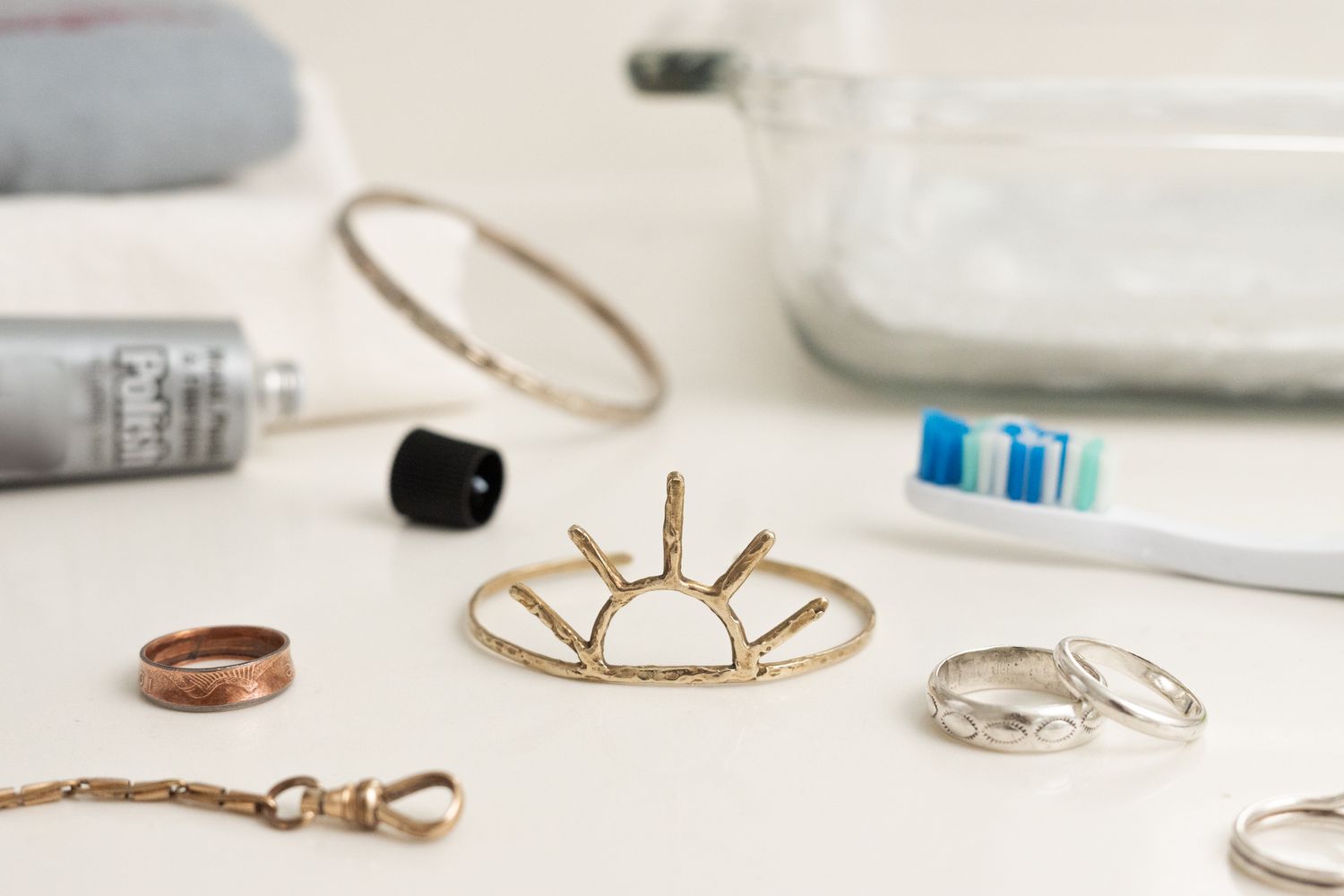
Tarnished jewelry can feel disappointing, especially when a favorite ring, necklace, or bracelet loses its shine and starts to look dull or dark. The good news is that tarnish is not permanent damage in most cases. With the right knowledge, tools, and techniques, you can restore the beauty of your jewelry safely at home and keep it looking radiant for years.
This in-depth guide explains what tarnish is, why it happens, and how to clean different types of tarnished jewelry using proven methods. You’ll also learn what to avoid, how to store jewelry properly, and when professional cleaning is the best option.
What Is Tarnish and Why Does Jewelry Tarnish?
Tarnish is a thin layer of corrosion that forms on the surface of certain metals when they react with substances in the environment. Unlike rust, which eats away at metal, tarnish usually sits on the surface and can be removed.
Common Causes of Tarnish
Tarnish forms due to a combination of factors, including:
- Exposure to air and oxygen
- Contact with sulfur compounds in the air
- Moisture and humidity
- Sweat and body oils
- Cosmetics, lotions, and perfumes
- Household chemicals and cleaning products
Understanding why tarnish happens helps you choose the right cleaning method and prevent future buildup.
Before You Clean: Important Safety Tips
Before cleaning any tarnished jewelry, take a few precautionary steps to avoid damage.
Identify the Metal and Stones
Different metals and gemstones require different care. Always determine whether your jewelry is made of:
- Sterling silver
- Solid gold or gold-plated metal
- Platinum
- Stainless steel
- Copper or brass
- Costume or fashion jewelry
Check for Damage
Inspect clasps, prongs, and settings. If stones are loose or metal is thin and worn, aggressive cleaning can cause breakage. In such cases, gentle cleaning or professional help is safer.
Test First
When using a new cleaning method, test it on a small, inconspicuous area to ensure it does not discolor or scratch the surface.
How to Clean Tarnished Silver Jewelry
Silver jewelry is one of the most commonly tarnished types, but it is also one of the easiest to clean.
Method 1: Soap and Warm Water
This method is ideal for lightly tarnished silver.
Steps:
- Mix a few drops of mild dish soap with warm water.
- Soak the silver jewelry for 10 to 15 minutes.
- Gently rub the surface with a soft cloth or a soft-bristled toothbrush.
- Rinse thoroughly with clean water.
- Dry completely with a microfiber or lint-free cloth.
This method is safe for most silver jewelry and works well for regular maintenance.
Method 2: Baking Soda and Water Paste
For heavier tarnish, baking soda is a gentle but effective abrasive.
Steps:
- Mix baking soda with a small amount of water to form a thick paste.
- Apply the paste to the jewelry using a soft cloth or your fingers.
- Rub gently in circular motions, focusing on tarnished areas.
- Rinse thoroughly and dry completely.
Avoid scrubbing too hard, as silver can scratch easily.
Method 3: Aluminum Foil and Baking Soda Bath
This chemical reaction method removes tarnish without abrasion and is excellent for heavily tarnished silver.
Steps:
- Line a bowl with aluminum foil, shiny side up.
- Place the silver jewelry on the foil.
- Sprinkle baking soda over the jewelry.
- Pour hot water into the bowl until the jewelry is fully submerged.
- Let it sit for 5 to 10 minutes.
- Remove, rinse, and dry thoroughly.
This method should not be used for silver with delicate gemstones or intentionally oxidized finishes.
How to Clean Tarnished Gold Jewelry
Pure gold does not tarnish, but most gold jewelry is alloyed with other metals that can discolor over time.
Method 1: Mild Soap Solution
This is the safest and most recommended method for gold jewelry.
Steps:
- Mix warm water with a few drops of mild dish soap.
- Soak the jewelry for 15 to 20 minutes.
- Gently clean with a soft toothbrush.
- Rinse with warm water.
- Dry with a soft cloth.
This method works well for solid gold and gold with durable gemstones.
Method 2: Ammonia Solution for Deep Cleaning
This method should be used sparingly and only for solid gold.
Steps:
- Mix one part ammonia with six parts warm water.
- Soak the jewelry for no more than one minute.
- Remove and gently brush if needed.
- Rinse thoroughly and dry.
Avoid this method for gold-plated jewelry, as ammonia can damage the plating.
How to Clean Tarnished Costume Jewelry
Costume jewelry often contains inexpensive metals and glued stones, making it more fragile.
Gentle Cleaning Method
Steps:
- Dampen a soft cloth with water mixed with a drop of mild soap.
- Gently wipe the metal surfaces.
- Use a dry cloth to remove moisture immediately.
Avoid soaking costume jewelry, as water can loosen glue and cause stones to fall out.
Cleaning Intricate Details
For small crevices:
- Use a cotton swab lightly dampened with soapy water.
- Dry immediately with a clean cloth.
Costume jewelry requires patience and a very gentle touch.
How to Clean Tarnished Copper and Brass Jewelry
Copper and brass tarnish quickly, developing a dark or greenish patina.
Lemon and Baking Soda Method
Steps:
- Sprinkle baking soda over the jewelry.
- Rub gently with half a lemon.
- Rinse with warm water.
- Dry thoroughly.
The acid in lemon removes tarnish, while baking soda adds gentle abrasion.
Vinegar and Salt Method
Steps:
- Mix white vinegar with a teaspoon of salt.
- Soak the jewelry for a few minutes.
- Rinse and dry thoroughly.
This method is effective but should not be used frequently, as acids can weaken metal over time.
Cleaning Jewelry with Gemstones
Gemstones add beauty but also require special care.
Safe Stones for Water-Based Cleaning
These stones generally tolerate gentle soap and water:
- Diamonds
- Sapphires
- Rubies
- Quartz
Stones That Need Extra Care
Avoid soaking or chemical cleaners for:
- Pearls
- Opals
- Emeralds
- Turquoise
- Amber
For these stones, use a slightly damp cloth and dry immediately.
What Not to Use When Cleaning Tarnished Jewelry
Some common household items can permanently damage jewelry.
Avoid:
- Toothpaste, which is abrasive
- Bleach or chlorine
- Harsh chemical cleaners
- Paper towels, which can scratch
- Ultrasonic cleaners for delicate stones or glued jewelry
Using the wrong cleaning method can cause more harm than tarnish itself.
How to Prevent Jewelry from Tarnishing
Prevention is easier than frequent cleaning. With proper care, you can slow tarnish significantly.
Proper Storage
- Store jewelry in airtight containers or zip-lock bags.
- Use anti-tarnish strips or silica gel packets.
- Keep pieces separate to avoid scratches.
Daily Habits That Help
- Remove jewelry before showering, swimming, or exercising.
- Apply perfumes and lotions before putting on jewelry.
- Wipe jewelry with a soft cloth after wearing.
How Often Should You Clean Tarnished Jewelry?
Cleaning frequency depends on how often you wear your jewelry and your environment.
- Frequently worn pieces may need light cleaning every few weeks.
- Occasionally worn items can be cleaned every few months.
- Deep cleaning should be done only when tarnish is visible.
When to Choose Professional Jewelry Cleaning
Sometimes, home cleaning is not enough.
Consider professional cleaning if:
- Jewelry has valuable or fragile gemstones
- Tarnish is severe or uneven
- Pieces are antique or heirloom items
- There is structural damage or loose stones
Professional jewelers use specialized tools and solutions that restore shine without risking damage.
Final Thoughts on Cleaning Tarnished Jewelry
Tarnished jewelry does not mean ruined jewelry. With the right techniques, patience, and care, most tarnish can be safely removed at home. The key is understanding the type of metal and stones you are working with and choosing a method that cleans without causing harm.
Regular maintenance, proper storage, and gentle cleaning habits will keep your jewelry looking beautiful and wearable for years to come. Whether it’s a treasured heirloom or an everyday accessory, clean and well-cared-for jewelry always shines brighter.