
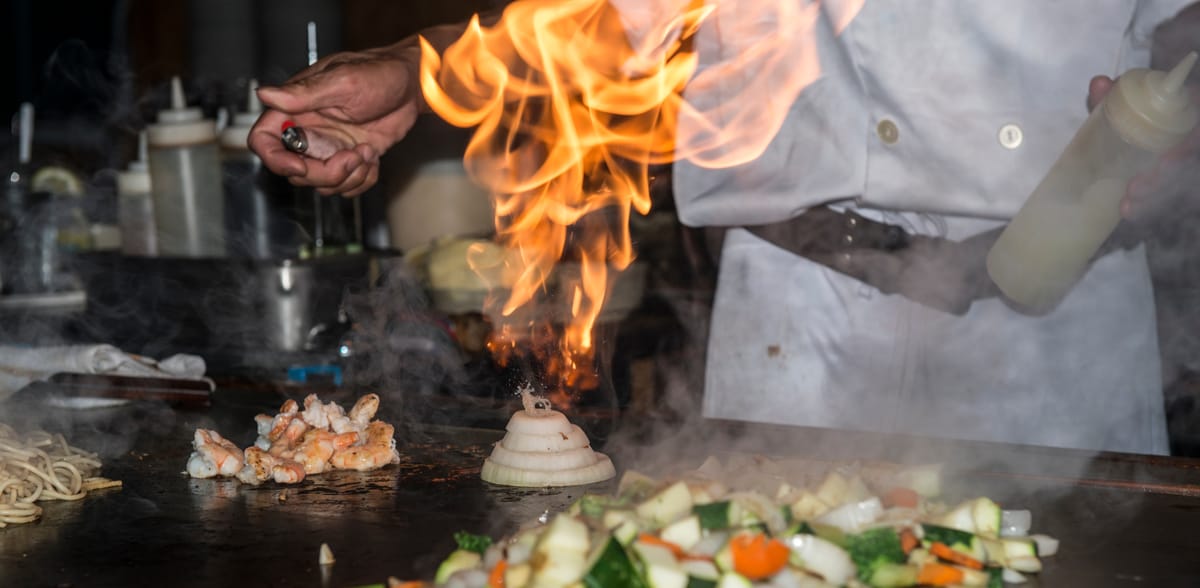
Hibachi food is widely loved for its bold flavors, theatrical cooking style, and comforting combination of grilled meats, vegetables, rice, and savory sauces. For many people, the word “hibachi” brings to mind a lively restaurant experience where chefs cook food on a flat grill right in front of guests, tossing shrimp, creating onion volcanoes, and performing knife tricks. While that experience is closely associated with hibachi dining outside Japan, the true meaning of hibachi food has deeper cultural roots.
This guide explores what hibachi food really is, where it comes from, how it differs from similar styles of cooking, what foods are typically served, and why hibachi has become so popular around the world. Whether you’re curious about Japanese cuisine or simply want to understand what’s on your plate, this in-depth article breaks it all down.
What Does Hibachi Mean?
The word hibachi is Japanese and literally translates to “fire bowl.” Traditionally, a hibachi is a small, portable heating device made of ceramic or metal, used in Japan for warmth rather than cooking.
Traditional Meaning of Hibachi
In Japan, a hibachi:
- Is an open-top container
- Is filled with charcoal
- Is primarily used for heating rooms or boiling water
- Is not typically used for restaurant-style cooking
This traditional use is very different from how the term is commonly used outside Japan.
What Is Hibachi Food in Modern Dining?
In modern restaurants, especially in the United States and other Western countries, hibachi food refers to Japanese-style dishes cooked on a large, flat iron grill in front of guests. This style of cooking is technically closer to teppanyaki, but the term “hibachi” has become widely adopted.
How Hibachi Is Commonly Defined Today
Today, hibachi food usually means:
- Food cooked on a flat-top grill
- Prepared in front of diners
- Served with rice, vegetables, and protein
- Accompanied by flavorful sauces
- Presented with entertainment and interaction
While not a strict representation of traditional Japanese hibachi, this modern version has become a beloved dining experience worldwide.
The Difference Between Hibachi and Teppanyaki
One of the most common points of confusion is the difference between hibachi and teppanyaki.
Teppanyaki Explained
Teppanyaki comes from:
- “Teppan” meaning iron plate
- “Yaki” meaning grilled or cooked
Teppanyaki uses a flat iron griddle, which is what most people associate with hibachi restaurants.
Key Differences
Hibachi (traditional):
- Uses a charcoal fire
- Typically has an open grate
- Is small and portable
- Is not focused on performance cooking
Teppanyaki (restaurant-style):
- Uses a flat iron grill
- Is designed for cooking food
- Involves chef performance
- Is what most hibachi restaurants actually use
Despite this distinction, the term hibachi has become the popular name for teppanyaki-style food in many countries.
The Origins of Hibachi-Style Cooking
While traditional hibachi was not designed for elaborate meals, grilling over open flame has long been part of Japanese culinary culture.
Evolution Into Restaurant Dining
Hibachi-style dining as we know it today gained popularity in the mid-20th century when Japanese chefs introduced teppanyaki-style restaurants to Western audiences. The interactive cooking style, combined with familiar ingredients like steak and chicken, made it accessible and entertaining.
This fusion of Japanese technique and Western preferences helped hibachi food become a global phenomenon.
What Foods Are Typically Served as Hibachi Food?
Hibachi food is known for its simplicity, balance, and bold flavors. Meals are often cooked quickly at high heat and served fresh off the grill.
Common Hibachi Proteins
Popular protein options include:
- Steak, usually sirloin or ribeye
- Chicken breast or thigh
- Shrimp
- Scallops
- Salmon
- Lobster
- Tofu for vegetarian options
These proteins are typically seasoned lightly and enhanced with sauces during cooking.
Hibachi Vegetables
Vegetables are a core part of hibachi meals and are grilled until tender with slight caramelization.
Common vegetables include:
- Zucchini
- Onions
- Mushrooms
- Carrots
- Broccoli
- Bell peppers
They are often seasoned with soy sauce, garlic, and butter for rich flavor.
Hibachi Rice and Noodles
No hibachi meal is complete without rice or noodles.
- Hibachi fried rice is made with rice, egg, soy sauce, butter, and sometimes vegetables or meat.
- Hibachi noodles, often made with wheat noodles, are stir-fried with sauce and vegetables.
Signature Hibachi Sauces
Sauces play a major role in defining the flavor of hibachi food.
Yum Yum Sauce
Also known as white sauce, yum yum sauce is creamy, slightly sweet, and tangy. It is commonly served as a dipping sauce for meat, shrimp, and vegetables.
Ginger Sauce
Ginger sauce is thinner, soy-based, and packed with fresh ginger flavor. It pairs especially well with steak and seafood.
Soy Sauce and Garlic Butter
Simple yet essential, soy sauce and garlic butter are used generously during cooking to enhance umami and richness.
These sauces are often adjusted by the chef based on the dish being prepared.
The Hibachi Dining Experience
One of the defining features of hibachi food is the experience itself.
Live Cooking and Entertainment
Hibachi chefs are trained not only in cooking but also in performance. Guests often enjoy:
- Knife flipping
- Shrimp tossing
- Egg tricks
- Onion volcanoes
- Audience interaction
This theatrical approach makes hibachi dining social and memorable.
Communal Seating
Hibachi meals are often served at shared tables, encouraging interaction among guests. This communal setup contributes to the festive atmosphere.
Is Hibachi Food Authentic Japanese Cuisine?
This question depends on how authenticity is defined.
Cultural Accuracy
Traditional Japanese cuisine does not typically feature the kind of performance-based cooking seen in hibachi restaurants abroad. In Japan, teppanyaki is usually more refined and less theatrical.
Cultural Influence
Hibachi food as served in many countries is a fusion cuisine:
- Japanese cooking techniques
- Western ingredients and portions
- American-style dining entertainment
While not traditional, it is inspired by Japanese culinary principles and has its own cultural value.
Nutritional Aspects of Hibachi Food
Hibachi food can be relatively balanced, depending on preparation and portion size.
Potential Health Benefits
- High protein content
- Fresh vegetables
- Quick cooking preserves nutrients
- Customizable portions
Things to Watch For
- High sodium from soy sauce
- Butter and oil add calories
- Large portions can increase calorie intake
Hibachi Food at Home
Hibachi-style food can also be prepared at home without specialized equipment.
How to Make Hibachi Food at Home
You can recreate hibachi dishes using:
- A cast iron skillet
- A flat-top griddle
- A large frying pan
Key elements include:
- High heat
- Simple seasoning
- Quick cooking
- Fresh ingredients
Many people enjoy making hibachi-style meals at home for family dinners or special occasions.
Hibachi vs Other Japanese Cooking Styles
Hibachi food is just one part of Japanese-inspired cuisine.
Comparison With Other Styles
- Sushi focuses on raw fish and rice
- Ramen emphasizes broth and noodles
- Yakitori involves grilled skewers
- Tempura features battered and fried foods
Why Hibachi Food Is So Popular
Hibachi food has gained lasting popularity for several reasons.
Broad Appeal
- Familiar ingredients like steak and chicken
- Bold but approachable flavors
- Customizable meals
- Suitable for groups and celebrations
Entertainment Value
The live cooking aspect turns a meal into an event, making hibachi restaurants popular for birthdays, family gatherings, and social outings.
Common Misconceptions About Hibachi Food
There are a few widespread misunderstandings worth clearing up.
Misconception 1: Hibachi Is Traditional Japanese Barbecue
Traditional hibachi is not a barbecue and is rarely used for cooking meals in modern Japan.
Misconception 2: All Flat-Grill Japanese Food Is Hibachi
Many dishes cooked on flat grills fall under teppanyaki, not hibachi, though the terms are often used interchangeably.
Misconception 3: Hibachi Food Is Always Unhealthy
While some dishes are rich, hibachi meals can be balanced and nutritious with thoughtful choices.
Final Thoughts on What Hibachi Food Is
Hibachi food is more than just a type of meal. It is a dining experience that combines bold flavors, fresh ingredients, skilled cooking, and live entertainment. While the modern understanding of hibachi differs from its traditional Japanese roots, it has evolved into a globally loved style of cuisine.
Whether enjoyed at a restaurant or recreated at home, hibachi food brings people together around the grill, offering both comfort and excitement in every bite. Understanding what hibachi food truly is helps you appreciate not only the flavors on your plate but also the cultural journey behind them.