
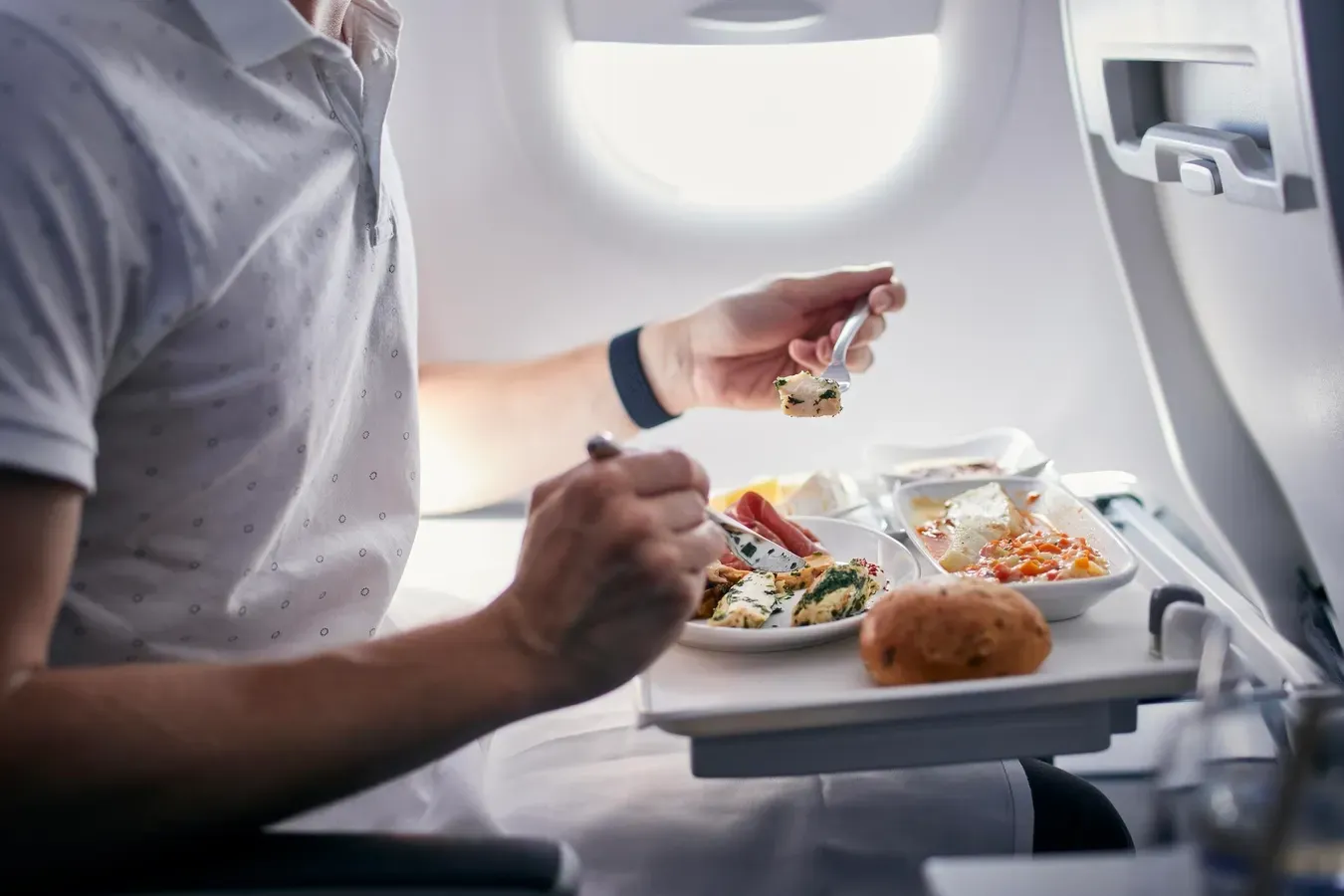
Traveling by plane often raises practical questions, and one of the most common is: can you take food on a plane? Whether you want to bring snacks for a long flight, carry homemade meals, accommodate dietary needs, or save money by avoiding airport food, understanding the rules around bringing food on a plane is essential.
The short answer is yes, you can take food on a plane, but there are important rules, restrictions, and exceptions depending on the type of food, where you’re flying, and whether the food is in your carry-on or checked baggage. This in-depth guide explains everything you need to know so you can pack confidently and avoid delays or confiscated items at security.
Understanding Airline vs Security Rules
Before diving into specifics, it’s important to distinguish between airline policies and airport security regulations.
- Airlines generally allow passengers to bring food onboard.
- Airport security authorities control what types of food can pass through checkpoints.
- International customs agencies regulate what food can enter a country.
Can You Take Food in Your Carry-On Bag?
Yes, you can take food in your carry-on bag, but the type of food matters.
Solid Foods in Carry-On Bags
Solid foods are generally allowed through airport security and onto the plane.
Examples of solid foods you can bring:
- Sandwiches
- Bread and pastries
- Cookies and crackers
- Chips and snacks
- Fruits and vegetables
- Nuts and trail mix
- Cheese (solid)
- Candy and chocolate
- Cooked meats (solid, not in liquid sauce)
Solid foods rarely cause issues at security, though they may require additional screening.
Liquid and Gel Foods in Carry-On Bags
Liquid and gel-like foods are subject to strict limitations.
Common liquid or gel foods include:
- Yogurt
- Soup
- Sauces
- Dips and spreads
- Peanut butter
- Jam and jelly
- Honey
- Salad dressing
These items must follow the standard liquid rule:
- Containers must be 100 ml or less
- All liquids must fit in one clear, resealable plastic bag
- One bag per passenger
If a liquid food exceeds the size limit, it will not be allowed through security.
Can You Take Food in Checked Luggage?
Checked luggage allows much more flexibility when it comes to food.
Foods Commonly Allowed in Checked Bags
- Large quantities of snacks
- Liquid foods over 100 ml
- Sauces and spreads
- Soups and stews (properly sealed)
- Frozen food (with some restrictions)
- Homemade meals
Foods to Be Careful With in Checked Bags
- Perishable foods that can spoil
- Strong-smelling items
- Glass containers that may break
- Foods sensitive to temperature changes
Bringing Homemade Food on a Plane
Many travelers prefer homemade food for comfort, cost savings, or dietary reasons.
Is Homemade Food Allowed?
Yes, homemade food is generally allowed, especially if it is solid.
Examples include:
- Home-cooked rice or pasta
- Sandwiches
- Baked goods
- Cut fruits and vegetables
- Cooked meats
Liquids or saucy dishes may be restricted in carry-on bags but are usually allowed in checked luggage.
Tips for Bringing Homemade Food
- Use airtight containers
- Avoid excessive liquids
- Label containers if traveling internationally
- Keep food fresh with insulated packaging if needed
Can You Take Snacks on a Plane?
Snacks are one of the easiest types of food to bring on a plane.
Popular Travel-Friendly Snacks
- Granola bars
- Protein bars
- Crackers
- Dried fruit
- Nuts and seeds
- Popcorn
- Pretzels
- Cookies
Snacks and Courtesy to Other Passengers
While snacks are allowed, consider:
- Avoiding very strong odors
- Choosing non-crumbly foods
- Being mindful of allergies, especially nuts
Good etiquette makes the flight more pleasant for everyone.
Can You Bring Fast Food or Restaurant Food on a Plane?
Yes, food purchased at the airport or nearby restaurants is usually allowed on the plane.
Airport Food Purchases
Food bought after security clearance:
- Is allowed onboard
- Can include liquids exceeding 100 ml
- Must still comply with airline policies
This is why many travelers buy drinks or meals after passing security.
Outside Food Brought to the Airport
Food brought from home or a restaurant before security must follow standard screening rules.
Taking Food on Domestic Flights
Domestic flights usually have fewer restrictions compared to international travel.
Key Points for Domestic Travel
- Solid foods are widely allowed
- Liquids must follow size limits in carry-on
- Checked luggage allows more freedom
- No customs restrictions within the same country
Taking Food on International Flights
International travel introduces additional rules related to customs and agriculture.
Why International Food Rules Are Stricter
Countries aim to:
- Prevent pests and diseases
- Protect local agriculture
- Control biosecurity risks
As a result, some foods may be confiscated upon arrival, even if allowed onboard.
Commonly Restricted Foods Internationally
- Fresh fruits and vegetables
- Meat and dairy products
- Seeds and plants
- Homemade food without packaging
- Certain animal products
Declaring Food at Customs
When entering another country, you may be asked to declare food items.
Why Declaring Food Is Important
- Prevents fines or penalties
- Avoids delays at customs
- Shows compliance with local laws
Can You Bring Baby Food on a Plane?
Baby food is treated as a special category.
Baby Food and Liquids
Parents are typically allowed to bring:
- Baby formula
- Breast milk
- Baby food purées
- Juice for infants
These items are often exempt from liquid limits but may require inspection.
Tips for Traveling With Baby Food
- Inform security officers before screening
- Use clearly labeled containers
- Bring only what is reasonably needed for the journey
Can You Bring Special Dietary Foods?
Passengers with medical or dietary needs are generally allowed to bring necessary food.
Examples of Special Dietary Foods
- Gluten-free meals
- Allergy-safe foods
- Medical nutrition products
- Protein shakes (within liquid limits)
Frozen Food and Ice Packs
Frozen food can be tricky but is often allowed.
Frozen Food in Carry-On Bags
- Fully frozen items may be allowed
- Partially thawed items may be treated as liquids
- Ice packs must be frozen solid
Frozen Food in Checked Bags
- Generally allowed
- Should be securely packaged
- Consider insulation and travel time
Foods You Should Avoid Bringing on a Plane
Even if technically allowed, some foods are impractical or discouraged.
Foods to Think Twice About
- Strong-smelling items
- Very messy foods
- Foods that spoil quickly
- Carbonated drinks in checked bags
- Foods that require reheating
Airline Policies on Food
Most airlines allow passengers to bring food onboard.
What Airlines Usually Allow
- Personal snacks
- Meals for personal consumption
- Food purchased after security
Checking Airline-Specific Rules
Always review:
- Airline website policies
- Ticket conditions
- Cabin crew instructions
Rules can vary slightly between carriers.
Food Safety While Flying
Food safety is an often-overlooked aspect of air travel.
Tips for Keeping Food Safe
- Avoid foods that spoil easily
- Use insulated containers if necessary
- Eat perishable foods early in the journey
- Wash or sanitize hands before eating
Environmental and Cultural Considerations
Food choices can also impact others.
Cultural Sensitivity
Some foods may be offensive or inappropriate depending on:
- Cultural norms
- Religious considerations
- Local customs
Being respectful helps avoid uncomfortable situations.
Environmental Responsibility
Consider:
- Reusable containers
- Minimal packaging
- Reducing food waste
Small choices can make travel more sustainable.
Frequently Asked Questions About Taking Food on a Plane
Can you eat your own food on a plane?
In most cases, yes. Airlines generally allow passengers to eat their own food onboard.
Can airport security take your food?
Yes, if it violates liquid restrictions or contains prohibited items.
Can you bring drinks from home?
Only if they meet liquid size limits. Drinks bought after security are allowed.
Can you bring food for long flights?
Yes, and it’s often recommended, especially if you have dietary needs.
Final Thoughts on Taking Food on a Plane
So, can you take food on a plane? In most cases, absolutely. Solid foods are widely allowed, liquid foods require extra care, and international travel adds another layer of regulations. Understanding the difference between airline rules, security screening, and customs laws helps you travel smoothly and avoid surprises.
With thoughtful planning, proper packaging, and awareness of restrictions, bringing food on a plane can make your journey more comfortable, affordable, and enjoyable. Whether it’s a simple snack or a full meal, knowing the rules ensures your food arrives safely along with you.