
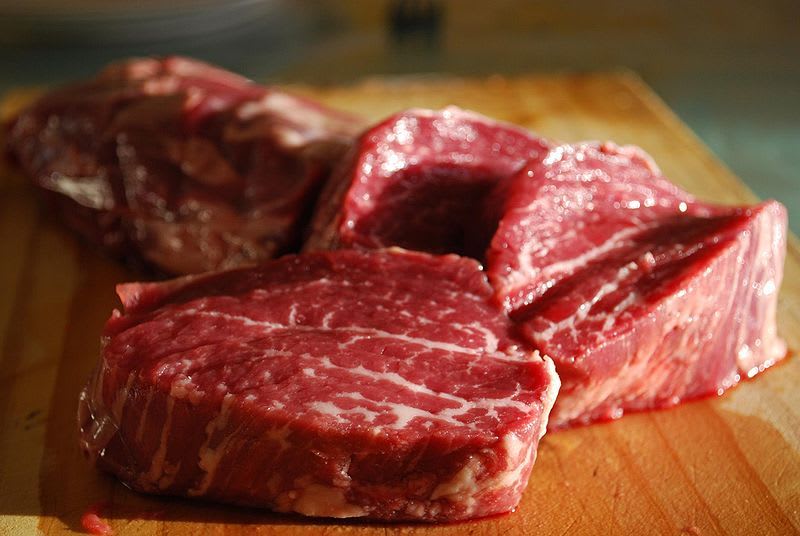
The question “How much human meat is allowed in food?” is shocking at first glance. It touches on deep moral, legal, cultural, and biological taboos. The short and direct answer is simple: none. In virtually every country in the world, the inclusion of human flesh in food products is illegal, strictly prohibited by food safety laws, and condemned by ethical, medical, and criminal statutes.
However, to fully understand why the answer is zero—and why it must be zero—it is important to explore the issue from multiple angles. This includes food safety regulations, criminal law, public health concerns, ethical considerations, cultural history, and even scientific realities.
This in-depth guide explores all aspects of the topic so readers can understand not only the legal position but also the broader societal and biological context.
The Short Answer: Zero Is Allowed
There is no legal allowance for human meat in commercially sold or prepared food. No food safety authority in the world permits the processing, distribution, or sale of human flesh as food.
Human tissue is not recognized as a lawful food source under:
- Food safety regulations
- Meat inspection laws
- Public health statutes
- Agricultural standards
- Consumer protection laws
In countries with structured regulatory systems, food products must come from approved animal sources that are inspected and certified for safety. Humans are not classified as livestock or legal food animals under any regulatory framework.
Why Human Meat Is Illegal in Food
The prohibition against human flesh in food is rooted in multiple legal frameworks that overlap and reinforce one another.
1. Criminal Law
In most jurisdictions, killing someone for the purpose of consumption would constitute:
- Murder
- Abuse of a corpse
- Desecration of human remains
- Conspiracy and organized criminal activity
Even in rare survival scenarios where cannibalism has occurred historically, the act remains legally complex and often prosecuted under related laws.
2. Food Safety Regulations
Food safety laws require that meat:
- Comes from inspected animals
- Is processed in licensed facilities
- Meets sanitary standards
- Is traceable and regulated
Humans are not classified as food-producing animals. Therefore, there is no inspection process, no regulatory category, and no lawful supply chain for human flesh.
3. Public Health Codes
Public health systems are built around preventing disease transmission. Human-to-human tissue consumption poses unique medical risks, including the transmission of pathogens and prion diseases. Because of these risks, no health authority would ever authorize human tissue as food.
The Biological and Health Risks of Consuming Human Flesh
Even setting legal and ethical concerns aside, consuming human meat poses serious health risks.
Disease Transmission
Humans carry numerous pathogens that can be transmitted through blood and tissue, including:
- Viral infections
- Bacterial infections
- Bloodborne diseases
- Prion diseases (such as those historically associated with ritual cannibalism)
Unlike regulated livestock, humans are not screened or raised under conditions designed for safe consumption.
Prion Disorders and Neurological Risk
One of the most well-known historical examples of disease transmission through cannibalism occurred in Papua New Guinea, where a neurological disorder known as kuru spread among communities practicing ritual cannibalism.
Prion diseases are particularly dangerous because:
- They are resistant to heat and standard cooking methods
- They affect the brain
- They are fatal
This alone provides strong medical justification for a complete prohibition.
Ethical and Moral Foundations of the Ban
Beyond law and health, there is a universal ethical consensus against the consumption of human flesh.
Human Dignity
Modern legal systems are grounded in the concept of human dignity. This principle protects individuals from being treated as property or objects.
Allowing human flesh in food would fundamentally violate:
- Human rights standards
- Bodily autonomy
- Respect for the deceased
Social Order and Trust
Society depends on trust—especially in food systems. The idea that human tissue could be secretly incorporated into food would undermine public confidence and create widespread panic.
Food systems are heavily regulated because they affect everyone. The absolute ban helps maintain stability and trust.
Are There Any Legal Exceptions?
In short: no.
There are no jurisdictions that legally permit:
- Commercial sale of human meat
- Licensed production of human flesh products
- Inclusion of human tissue in processed foods
Even in countries with unconventional or highly permissive food laws, human flesh remains prohibited.
Survival Cannibalism
There have been documented cases of survival cannibalism in extreme situations (such as shipwrecks or natural disasters). However:
- These situations are not legal authorizations.
- They are evaluated under emergency or necessity defenses.
- They do not create legal precedents allowing human meat in food systems.
Such cases are rare, tragic, and legally complex—but they do not translate into food regulation policy.
What About Accidental Contamination?
Theoretically, contamination of food with human biological material could occur in industrial accidents. However, food safety systems are designed to prevent contamination of any kind.
Regulations include:
- Worker hygiene standards
- Protective equipment requirements
- Injury reporting protocols
- Facility shutdown procedures in case of contamination
If human tissue contamination were discovered in food production:
- The product would be recalled
- The facility would likely be shut down
- Criminal investigations could follow
There is no acceptable “trace amount” threshold for human flesh in food.
How Food Laws Define “Meat”
Food law typically defines meat as the edible flesh of animals that are:
- Raised for food
- Inspected and certified
- Slaughtered under regulated conditions
Humans do not fall under agricultural livestock classifications. Legally, humans are not “food animals.”
This distinction is central to food policy.
For example, livestock categories typically include:
- Cattle
- Poultry
- Swine
- Sheep
- Goats
Some countries regulate exotic meats (such as venison or certain game animals), but even these must come from legally approved sources. Humans are never included in such classifications.
Religious and Cultural Prohibitions
Virtually all major religious traditions forbid cannibalism. These include:
- Islam
- Christianity
- Judaism
- Hinduism
- Buddhism
Religious dietary laws emphasize respect for human life and prohibit the consumption of human flesh. These moral frameworks heavily influence legal systems worldwide.
Even in cultures with historical ritual cannibalism, modern law has overwhelmingly prohibited the practice.
International Human Rights Law
International human rights standards reinforce the prohibition against human flesh as food.
Core principles include:
- The right to life
- Respect for bodily integrity
- Protection from degrading treatment
- Protection of the dead
Allowing human meat in food would violate multiple international agreements related to human dignity and human rights.
Why the Question Sometimes Arises
The question “How much human meat is allowed in food?” often arises in discussions about:
- Food adulteration
- Urban myths
- Horror fiction
- Extreme thought experiments
- Dark humor or internet culture
It may also appear in debates about:
- Ethical boundaries
- Regulation limits
- Bioethics
- Hypothetical dystopian scenarios
In real-world law and policy, however, the answer remains unequivocal: zero.
Ethical Philosophy and Cannibalism
Philosophers have occasionally explored cannibalism in hypothetical contexts, such as:
- Survival ethics
- Consent-based cannibalism thought experiments
- Bioethics debates
However, even in philosophical discussions, practical implementation is overwhelmingly rejected because:
- Consent cannot override public health concerns
- Human dignity principles apply even after death
- Legal systems prioritize social stability
No modern ethical framework endorses incorporating human flesh into the food supply.
Psychological and Social Impact
If human meat were ever discovered in food products, the consequences would be severe:
- Mass public outrage
- Economic collapse of the food brand
- Legal prosecution
- International scandal
- Public health investigations
Consumer trust is foundational to food systems. The mere suspicion of contamination can destroy entire industries.
The zero-tolerance policy protects not just individuals, but the broader social order.
Comparison With Organ Donation
Some people wonder whether organ donation affects the legal discussion.
Organ donation is strictly regulated and permitted only for:
- Medical transplantation
- Scientific research
- Education
It is never authorized for consumption. Donated organs are treated as medical tissue, not food.
The regulatory systems governing medical tissue are entirely separate from food production systems.
Scientific Curiosity vs. Legal Reality
While scientific studies sometimes analyze human tissue in laboratory contexts (for medical research), this is fundamentally different from food production.
Laboratory research involves:
- Strict ethical approval
- Institutional review boards
- Controlled environments
- Medical oversight
Food production, by contrast, operates under agricultural and commercial law.
There is no scientific, legal, or ethical bridge between the two.
Hypothetical Scenarios and Consent
Some philosophical discussions ask whether consensual cannibalism should be legal. Even in hypothetical consent-based scenarios:
- Killing a consenting person is still illegal in most countries
- Assisted death laws (where they exist) do not permit consumption
- Public health codes would still prohibit food distribution
Consent does not override food safety law or public policy.
Therefore, even if a hypothetical scenario involved full consent, the inclusion of human meat in commercial food would remain illegal.
Historical Context of Cannibalism
Throughout history, cannibalism has occurred under specific circumstances:
- Survival situations
- Ritualistic practices
- Warfare
- Famine
However, modern nation-states have codified laws that prohibit the practice. Historical occurrence does not translate into modern legal acceptance.
In fact, historical disease outbreaks linked to ritual cannibalism contributed to medical understanding of neurological diseases, reinforcing public health prohibitions.
Could Lab-Grown Human Meat Ever Be Legal?
With advances in cellular agriculture, lab-grown meat is becoming a reality for animal products. This raises a theoretical question: could lab-grown human cells ever be used as food?
Even if technically possible, such production would face:
- Immediate legal prohibition
- Ethical review barriers
- Public outrage
- Human tissue regulation violations
Most countries regulate human biological material strictly for medical purposes only. Food use would be disallowed.
The Role of Food Inspection Agencies
Food inspection agencies worldwide operate under strict mandates to ensure:
- Food safety
- Accurate labeling
- Consumer protection
- Prevention of adulteration
Any introduction of human tissue into food would constitute severe adulteration and criminal misconduct.
Penalties could include:
- Prison sentences
- Massive fines
- Permanent business closure
- International trade bans
The regulatory infrastructure is designed to prevent exactly such violations.
Why Zero Tolerance Is Essential
Zero tolerance is not arbitrary—it is necessary because:
- Human life must be protected absolutely.
- Public health risks are significant.
- Ethical standards demand respect for human remains.
- Food systems rely on trust and transparency.
Allowing even a minimal amount would create legal ambiguity and ethical chaos.
Therefore, regulations leave no room for interpretation.
Final Answer: None Is Permitted
To conclude clearly and definitively:
No amount of human meat is allowed in food.
Not a trace amount.
Not under any legal framework.
Not commercially.
Not recreationally.
Not as an ingredient.
The prohibition is absolute.
It is supported by:
- Criminal law
- Food safety regulations
- Public health science
- Ethical philosophy
- Religious doctrine
- Human rights principles
The idea may appear in fiction or extreme hypotheticals, but in real-world law and policy, the matter is settled.
Human flesh is not food.
Closing Thoughts
Questions like this often arise out of curiosity, shock value, or philosophical exploration. While it is important to address them seriously and factually, the legal and moral landscape leaves no ambiguity.
Modern societies are built on the recognition of human dignity and the sanctity of life. Food systems are designed to nourish populations safely and ethically.
For those reasons—and many more—the allowable amount of human meat in food is, and will remain, zero.