
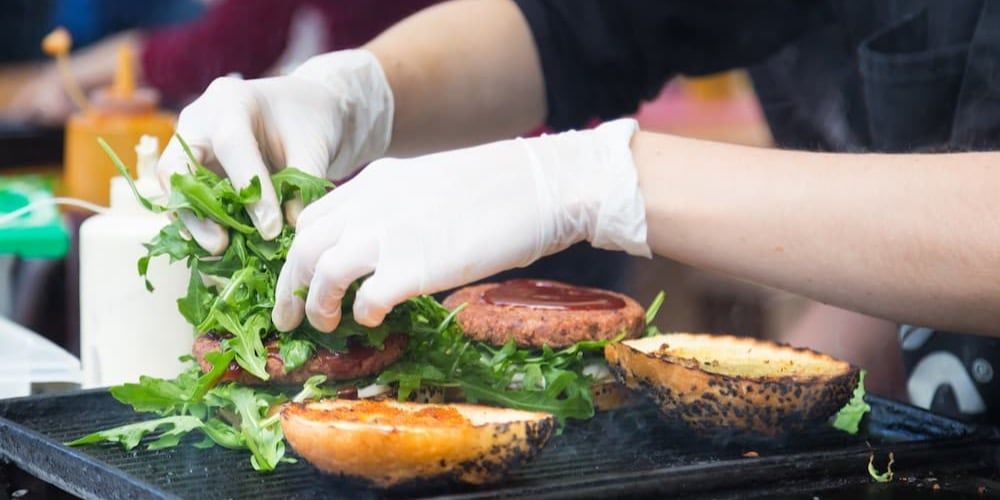
Food safety is a critical responsibility in any environment where food is prepared, handled, or served. One of the most important tools in preventing food contamination is the proper use of single use gloves. While gloves are not required at all times, there are specific situations when a food handler must wear single use gloves to protect customers, coworkers, and the integrity of the food itself.
This in-depth guide explains exactly when a food handler must wear single use gloves, why glove use matters, what regulations require, and how improper glove use can actually increase the risk of contamination. Whether you work in a restaurant, food truck, catering business, school cafeteria, or food processing facility, understanding proper glove use is essential.
Understanding Single Use Gloves in Food Handling
Single use gloves are disposable gloves designed to be worn once and then discarded. They are commonly made from materials such as nitrile, latex, vinyl, or polyethylene. These gloves create a temporary barrier between a food handler’s hands and the food being prepared.
Single use gloves are not a substitute for proper handwashing. Instead, they are an additional layer of protection used during specific tasks that involve direct contact with food or contamination risks.
Food safety authorities emphasize that gloves must be used correctly, changed frequently, and never reused.
Why Glove Use Is Important in Food Safety
Hands are one of the most common sources of food contamination. Even clean-looking hands can carry harmful bacteria, viruses, and allergens that may transfer to food.
Proper glove use helps:
- Prevent the spread of bacteria and viruses
- Reduce the risk of foodborne illness
- Protect ready-to-eat foods from contamination
- Minimize cross-contact with allergens
- Support compliance with food safety regulations
However, gloves only provide protection when used correctly and at the right times.
A Food Handler Must Wear Single Use Gloves When Handling Ready-to-Eat Foods
One of the most important rules in food safety is that food handlers must wear single use gloves when handling ready-to-eat foods with their hands.
What Are Ready-to-Eat Foods?
Ready-to-eat foods are foods that do not require any further cooking or processing before being served. Examples include:
- Sandwiches and wraps
- Salads and cut fruits
- Bread, rolls, and baked goods
- Cooked meats ready for serving
- Garnishes such as herbs or lemon slices
Because these foods will not undergo further cooking to kill bacteria, they must be protected from contamination at all times.
Why Gloves Are Required for Ready-to-Eat Foods
Direct hand contact with ready-to-eat foods increases the risk of spreading pathogens such as norovirus or Staphylococcus aureus. Wearing single use gloves creates a barrier that helps prevent contamination and keeps food safe for consumption.
A Food Handler Must Wear Single Use Gloves When Handling Food with Open Cuts or Bandages
Food handlers with cuts, sores, burns, or bandages on their hands must wear single use gloves while handling food.
Even small cuts can:
- Harbor bacteria
- Leak fluids into food
- Become contaminated during food preparation
Gloves help contain any potential contaminants and protect both the food and the injured area.
In many cases, food safety rules also require the cut to be covered with a waterproof bandage before putting on gloves.
A Food Handler Must Wear Single Use Gloves When Touching Raw Animal Products
While gloves are not always required for every task involving raw foods, many operations require single use gloves when handling raw animal products such as:
- Raw meat
- Raw poultry
- Raw seafood
- Raw eggs
Raw animal products can carry harmful pathogens like Salmonella, E. coli, and Campylobacter. Gloves help reduce the risk of transferring these bacteria to other foods, surfaces, or equipment.
Gloves must be changed immediately after handling raw foods and before touching any ready-to-eat foods.
A Food Handler Must Wear Single Use Gloves When Handling Allergenic Foods
Food handlers should wear single use gloves when handling foods that contain major allergens, especially in kitchens where allergen-free meals are prepared.
Common food allergens include:
- Peanuts
- Tree nuts
- Milk
- Eggs
- Wheat
- Soy
- Fish
- Shellfish
Gloves help reduce the risk of allergen cross-contact, which can cause serious or life-threatening reactions in sensitive individuals.
After handling allergenic foods, gloves must be removed and discarded, followed by proper handwashing before starting a new task.
A Food Handler Must Wear Single Use Gloves When Required by Local Food Safety Regulations
Food safety regulations vary by country, state, and local jurisdiction. In many areas, health codes explicitly require single use gloves or other barriers when handling certain foods.
Examples of regulatory requirements include:
- Mandatory glove use for ready-to-eat foods
- Mandatory glove use during food assembly
- Glove requirements during outbreaks or heightened health concerns
Food handlers are responsible for knowing and following the specific rules that apply to their workplace.
A Food Handler Must Wear Single Use Gloves When Handling Food After Handwashing Is Not Immediately Possible
In situations where frequent handwashing is not practical, such as during high-volume service periods, gloves may be required to reduce contamination risk.
However, gloves must still be changed frequently and hands must be washed whenever gloves are removed.
Gloves are never a replacement for handwashing, but they can provide temporary protection between washes when used correctly.
A Food Handler Must Wear Single Use Gloves When Handling Food While Wearing Jewelry or Artificial Nails
Food handlers with artificial nails, nail extensions, or nail polish may be required to wear gloves, as these can harbor bacteria and increase contamination risk.
Jewelry such as rings can trap dirt and bacteria and may tear gloves if not removed. In some settings, gloves are required when jewelry cannot be removed for legitimate reasons.
Situations When Gloves Are Not Required
Understanding when gloves are required also means knowing when they are not necessary.
Gloves are typically not required when:
- Handling whole, uncut fruits and vegetables
- Performing cleaning or sanitizing tasks
- Handling packaged foods with intact packaging
- Moving food containers or equipment
In these cases, proper handwashing and hygiene practices are usually sufficient.
Proper Use of Single Use Gloves
Wearing gloves incorrectly can be just as dangerous as not wearing them at all.
Handwashing Before Putting on Gloves
Food handlers must wash their hands before putting on gloves. Gloves worn over dirty hands can still spread contamination.
Changing Gloves Frequently
Gloves must be changed:
- Between different tasks
- After handling raw food
- After touching the face, hair, or body
- After using the restroom
- After handling trash or cleaning chemicals
- When gloves tear or become contaminated
Never Reusing Single Use Gloves
Single use gloves must never be washed, sanitized, or reused. Once removed, they must be discarded immediately.
Avoiding Bare-Hand Contact While Wearing Gloves
Gloves should not be touched to non-food surfaces unnecessarily. Touching phones, door handles, or cash while wearing gloves can transfer contaminants back to food.
Common Mistakes Food Handlers Make with Gloves
Despite good intentions, improper glove use is common in food service environments.
Wearing Gloves Too Long
Extended glove use can create a false sense of security. Gloves can become contaminated just like hands and must be changed regularly.
Not Changing Gloves Between Tasks
Using the same gloves to handle raw meat and then prepare ready-to-eat foods is a serious food safety violation.
Skipping Handwashing
Some food handlers mistakenly believe gloves eliminate the need for handwashing. This is incorrect and dangerous.
Touching Personal Items
Handling phones, money, or personal items while wearing gloves can contaminate the gloves and spread bacteria to food.
Training Food Handlers on Glove Use
Proper training is essential for ensuring food handlers understand when and how to wear single use gloves.
Training programs should cover:
- When gloves are required
- How to put on and remove gloves safely
- When to change gloves
- The importance of handwashing
- Consequences of improper glove use
Regular refresher training helps reinforce correct habits and reduces food safety risks.
Health Inspections and Glove Compliance
Health inspectors often focus on glove use during routine inspections. Improper glove use can result in:
- Warnings or citations
- Fines or penalties
- Lower inspection scores
- Temporary closure in severe cases
Consistent compliance protects both public health and business reputation.
The Role of Gloves in Preventing Foodborne Illness
Foodborne illnesses affect millions of people each year. Many outbreaks are linked to improper handling of ready-to-eat foods.
When used correctly, single use gloves:
- Reduce direct hand-to-food contact
- Limit the spread of pathogens
- Support hygienic food preparation
- Protect vulnerable populations such as children and the elderly
Gloves are one part of a larger food safety system that includes sanitation, temperature control, and personal hygiene.
Choosing the Right Type of Single Use Gloves
Different glove materials are suited for different tasks.
Nitrile Gloves
Durable, puncture-resistant, and latex-free, nitrile gloves are widely used in food service.
Vinyl Gloves
Vinyl gloves are cost-effective and suitable for low-risk tasks, though they are less durable.
Latex Gloves
Latex gloves offer good fit and flexibility but may cause allergic reactions and are restricted in some workplaces.
Polyethylene Gloves
Often used for short tasks like sandwich assembly, these gloves are easy to change frequently.
Final Thoughts on When a Food Handler Must Wear Single Use Gloves
A food handler must wear single use gloves in specific situations where direct contact with food presents a risk of contamination. These situations include handling ready-to-eat foods, working with cuts or bandages, handling raw animal products, managing allergenic foods, and following local food safety regulations.
Proper glove use, combined with thorough handwashing and good hygiene practices, is essential for protecting public health. Understanding not just when to wear gloves, but how to use them correctly, ensures safer food, healthier customers, and stronger compliance with food safety standards.
By following these guidelines consistently, food handlers play a vital role in preventing foodborne illness and maintaining trust in the food service industry.