
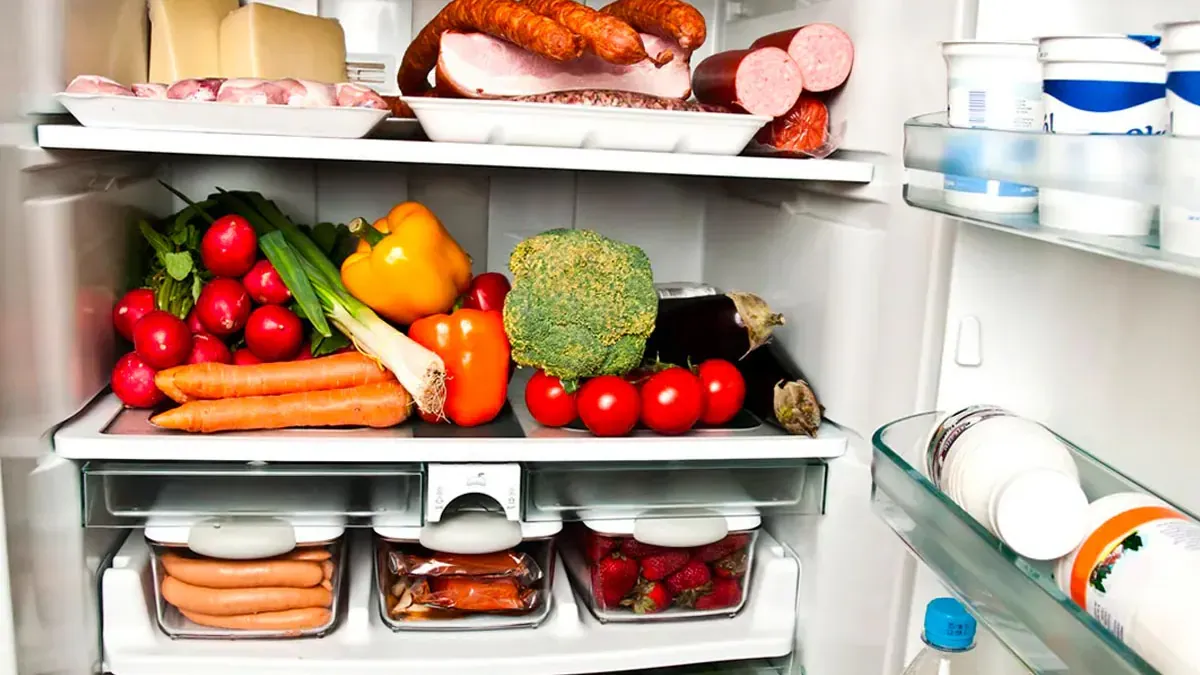
Proper refrigerator organization is one of the most important yet often overlooked aspects of food safety. Many people arrange food based on convenience or habit, placing items wherever they fit. However, the order in which foods are stored in a refrigerator directly affects food safety, shelf life, and the risk of foodborne illness.
Understanding which food should be stored above the others in a refrigerator helps prevent cross-contamination, protects ready-to-eat foods, and ensures compliance with food safety guidelines used in homes, restaurants, and commercial kitchens. This comprehensive guide explains refrigerator storage hierarchy in detail, why it matters, and how to organize your refrigerator correctly.
Why Refrigerator Food Placement Matters
Refrigerators slow the growth of bacteria, but they do not stop it completely. Improper food placement can allow harmful bacteria from raw foods to contaminate cooked or ready-to-eat items through drips, spills, or direct contact.
Correct refrigerator organization helps:
- Prevent cross-contamination
- Reduce the risk of foodborne illness
- Extend food freshness
- Maintain food quality
- Follow food safety regulations
Food placement is especially critical for raw animal products, which can carry pathogens such as Salmonella, E. coli, and Listeria.
The Basic Rule of Refrigerator Storage Order
The general food safety rule is simple and widely accepted:
Foods that require the lowest cooking temperatures should be stored above foods that require higher cooking temperatures.
This rule ensures that if juices from raw foods drip, they will not contaminate foods that may not be cooked again.
Which Food Should Be Stored Above the Others in a Refrigerator
The foods that should be stored above the others in a refrigerator are ready-to-eat foods and fully cooked foods.
These items must be protected from contamination because they will not undergo further cooking to kill bacteria.
Ready-to-Eat Foods
Ready-to-eat foods include any food that can be eaten without additional cooking. These foods should always be stored on the top shelves of the refrigerator.
Examples include:
- Leftovers
- Cooked meals
- Deli meats
- Cheese
- Yogurt
- Prepared salads
- Cut fruits and vegetables
- Desserts
Because these foods are consumed as-is, they are the most vulnerable to contamination and must be kept farthest from raw foods.
Understanding the Refrigerator Storage Hierarchy
Food safety professionals follow a specific hierarchy when organizing refrigerators. This hierarchy is based on the minimum internal cooking temperature required for each food.
Top Shelf: Ready-to-Eat and Fully Cooked Foods
The top shelf should contain:
- Cooked meats and poultry
- Prepared meals
- Leftovers
- Ready-to-eat packaged foods
- Dairy products
Storing these foods at the top minimizes the risk of contamination from drips or leaks from raw foods below.
Middle Shelves: Raw Foods with Lower Cooking Temperatures
The middle shelves are typically used for raw foods that require moderate cooking temperatures.
These include:
- Raw seafood
- Whole cuts of beef, pork, lamb, and veal
These foods require cooking to lower temperatures than poultry, making them safer to store above raw poultry but below ready-to-eat foods.
Lower Shelves: Raw Ground Meats
Ground meats should be stored below whole cuts of meat.
Examples include:
- Ground beef
- Ground pork
- Ground lamb
Ground meats have more surface area exposed to bacteria and require higher cooking temperatures, increasing their risk level.
Bottom Shelf: Raw Poultry
Raw poultry must always be stored on the lowest shelf of the refrigerator.
This includes:
- Chicken
- Turkey
- Duck
- Ground poultry
Poultry requires the highest cooking temperature and carries a higher risk of harmful bacteria. Keeping it at the bottom prevents juices from dripping onto other foods.
Why Ready-to-Eat Foods Belong on the Top Shelf
Ready-to-eat foods are the most critical to protect because they will not be reheated to destroy bacteria.
If raw meat juices contaminate these foods, there is no safety step left to eliminate pathogens. This is why food safety guidelines consistently emphasize placing ready-to-eat foods above all raw items.
Additionally, top shelves tend to have more stable temperatures, helping maintain food quality and freshness.
Refrigerator Door Storage and Safety
While many people store food in the refrigerator door, it is not the safest place for all items.
What Can Be Stored in the Door
The door experiences the most temperature fluctuation. It is suitable for:
- Condiments
- Sauces
- Salad dressings
- Juice
- Butter
What Should Not Be Stored in the Door
Avoid storing:
- Milk
- Eggs
- Raw meat
- Ready-to-eat leftovers
These items require consistent cold temperatures and are safer on interior shelves.
Proper Storage of Fruits and Vegetables
Fruits and vegetables should be stored separately from raw meats to avoid contamination.
Most refrigerators have crisper drawers designed for produce. These drawers help control humidity and extend freshness.
Cut fruits and vegetables, which are ready-to-eat, should be stored in sealed containers and placed on upper shelves if space allows.
The Role of Containers in Refrigerator Organization
Even when foods are placed correctly, proper containers play an important role in food safety.
Use:
- Leak-proof containers for raw meats
- Sealed containers for leftovers
- Covered dishes for prepared foods
Clear containers make it easier to identify contents and reduce the chance of spills.
Common Refrigerator Storage Mistakes
Many households unknowingly make mistakes that increase food safety risks.
Storing Raw Meat Above Cooked Food
This is one of the most dangerous errors. Even a small drip can contaminate large amounts of food.
Overcrowding the Refrigerator
Overcrowding restricts air circulation and leads to uneven temperatures, increasing the risk of spoilage.
Leaving Food Uncovered
Uncovered food is more susceptible to contamination and odor absorption.
Ignoring Expiration Dates
Even properly stored food can become unsafe if kept too long.
Food Safety Temperatures and Their Importance
Understanding cooking temperatures reinforces why storage order matters.
- Ready-to-eat foods require no cooking
- Seafood and whole cuts of beef require lower cooking temperatures
- Ground meats require higher cooking temperatures
- Poultry requires the highest cooking temperature
Refrigerator Organization in Commercial Kitchens
Restaurants and food service operations follow strict refrigerator storage rules enforced by health inspectors.
Violations such as storing raw poultry above ready-to-eat foods can result in:
- Health code citations
- Fines
- Failed inspections
- Temporary closures
These same principles apply at home, even though enforcement is less visible.
How Often You Should Reorganize Your Refrigerator
Regular refrigerator checks help maintain food safety.
It is recommended to:
- Review contents weekly
- Discard expired or spoiled food
- Clean spills immediately
- Reorganize after grocery shopping
Frequent checks prevent buildup of unsafe conditions.
Labeling and Dating Stored Foods
Labeling is especially helpful for leftovers and prepared foods.
Include:
- Date prepared
- Food name
- Use-by date if applicable
This practice reduces waste and ensures food is consumed while safe.
Refrigerator Cleaning and Maintenance
Clean refrigerators support safe food storage.
Best practices include:
- Cleaning shelves monthly
- Sanitizing spills immediately
- Checking door seals
- Keeping temperature at or below 40°F (4°C)
A clean refrigerator reduces bacteria growth and odors.
Special Considerations for Families and Shared Refrigerators
In shared households, clear organization is even more important.
Consider:
- Designating shelves for specific food types
- Using labels
- Educating household members on storage rules
Consistency prevents accidental cross-contamination.
Food Storage During Power Outages
During power outages, keeping the refrigerator door closed helps maintain cold temperatures.
Once power is restored:
- Discard food that was above safe temperature for extended periods
- Inspect raw meats carefully
- When in doubt, throw it out
Proper storage beforehand reduces risk during emergencies.
Teaching Children About Refrigerator Safety
Teaching children basic refrigerator safety encourages lifelong habits.
Simple lessons include:
- Not touching raw meat
- Keeping containers closed
- Placing leftovers on higher shelves
These habits support household food safety.
Final Thoughts on Which Food Should Be Stored Above the Others in a Refrigerator
The foods that should be stored above the others in a refrigerator are ready-to-eat and fully cooked foods. This placement protects them from contamination and ensures they remain safe to consume.
By following the proper storage hierarchy, separating raw and cooked foods, and maintaining a clean and organized refrigerator, you significantly reduce the risk of foodborne illness. Whether at home or in a commercial kitchen, correct refrigerator storage is a simple yet powerful step toward safer food handling and healthier meals.