
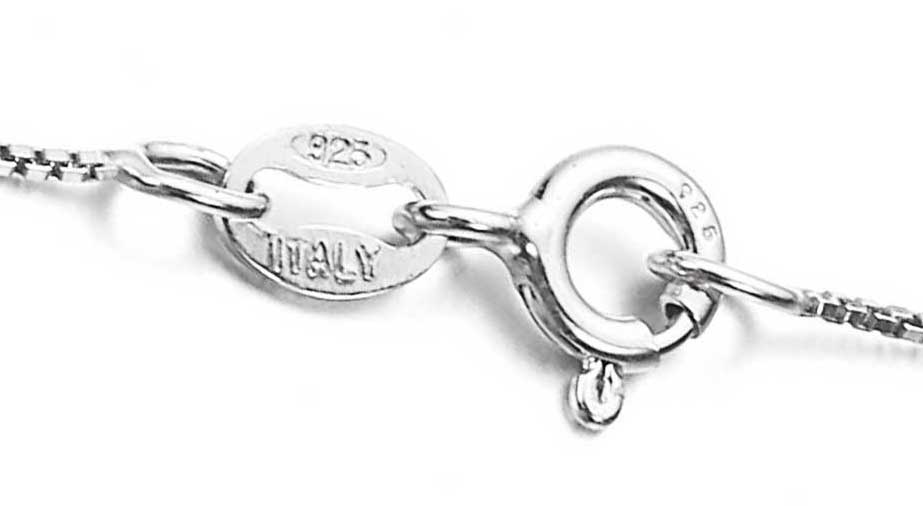
If you have ever examined a ring, necklace, bracelet, or pair of earrings closely, you may have noticed a small stamp that reads “925.” This tiny marking appears on a wide range of jewelry pieces around the world, yet many people are unsure what it actually means. Some assume it refers to quality, others think it is a brand mark, and some worry it may indicate fake or low-value jewelry.
In reality, the 925 stamp has a very specific and important meaning. It relates to the metal content of the jewelry and plays a key role in determining its quality, durability, and value. This in-depth guide explains exactly what 925 means on jewelry, why it is used, how it compares to other markings, and how you can identify genuine 925 jewelry with confidence.
Understanding Jewelry Stamps and Hallmarks
Jewelry stamps, also known as hallmarks, are markings placed on jewelry to indicate information about the metal, purity, origin, or manufacturer. These marks help buyers understand what they are purchasing and protect against fraud or misrepresentation.
Some hallmarks tell you:
- The type of metal used
- The purity of the metal
- The country of origin
- The maker or brand
- Compliance with legal standards
The 925 stamp is one of the most common hallmarks you will encounter, especially on silver jewelry.
What Does 925 Mean on Jewelry?
When you see “925” stamped on jewelry, it means the piece is made of 92.5 percent pure silver. The remaining 7.5 percent consists of other metals, most commonly copper.
This specific combination is known as sterling silver. Pure silver, also called fine silver, is too soft for most jewelry applications. By adding a small percentage of other metals, jewelers create a stronger and more durable alloy that is suitable for everyday wear.
So, in simple terms:
- 925 means sterling silver
- 92.5 percent silver
- 7.5 percent strengthening metals
Why Sterling Silver Is Not 100 Percent Pure
Many people assume that higher purity always means better quality, but this is not always true in jewelry making.
Pure silver is extremely soft and malleable. While this makes it easy to shape, it also means it bends, scratches, and deforms very easily. Rings would lose their shape, chains would stretch, and clasps would wear out quickly.
Adding a small amount of another metal, usually copper, improves:
- Strength
- Durability
- Scratch resistance
- Wearability
The 92.5 percent standard has proven to be the ideal balance between purity and practicality, which is why it has been used for centuries.
The Origin of the 925 Standard
The 925 standard dates back hundreds of years. It became widely recognized in Europe, particularly in England, where sterling silver standards were established to regulate silver quality.
The term “sterling silver” is believed to originate from medieval England, where silver coins known as sterlings were made to a consistent purity. Over time, this standard was adopted for silver objects and jewelry.
Today, the 925 standard is internationally recognized and widely regulated, making it one of the most trusted silver purity marks in the world.
Is 925 Jewelry Real Silver?
Yes, 925 jewelry is real silver. It is not fake or imitation silver.
However, it is important to understand that:
- It is not pure silver
- It is a silver alloy
- It still qualifies as genuine silver jewelry
Some people mistakenly believe that anything less than 100 percent purity is not real, but this is incorrect. Sterling silver is considered authentic silver and is accepted globally in fine jewelry.
Common Jewelry Items Marked 925
The 925 stamp appears on many different types of jewelry, including:
- Rings
- Necklaces
- Bracelets
- Earrings
- Anklets
- Charms
- Pendants
You may also find it on:
- Watches
- Silver cutlery
- Decorative silver items
In some cases, the stamp may appear as “925,” “.925,” or “Sterling.”
925 vs Other Silver Markings
To fully understand what 925 means, it helps to compare it with other common silver markings.
999 or Fine Silver
A 999 stamp means the item is 99.9 percent pure silver. This is known as fine silver. While it is highly pure, it is softer and less durable than sterling silver. Fine silver is often used for bullion, coins, and special pieces rather than everyday jewelry.
900 Silver
This indicates 90 percent silver content. It was commonly used in older coins and antique items but is less common in modern jewelry.
800 Silver
An 800 stamp means the item contains 80 percent silver. This is more common in some European antique pieces but is considered lower purity than sterling silver.
Silver-Plated Jewelry
Silver-plated items are not solid silver. They have a thin layer of silver over a base metal. These pieces usually do not carry a 925 stamp and are much less valuable.
Why Some 925 Jewelry Tarnishes
One of the most common concerns about 925 jewelry is tarnishing. Tarnish occurs when silver reacts with sulfur or moisture in the air, forming a dark layer on the surface.
The copper content in sterling silver makes it more prone to tarnish than pure silver. However, tarnishing does not mean the jewelry is low quality or fake.
Tarnish can be:
- Cleaned
- Polished
- Prevented with proper care
Regular maintenance keeps 925 jewelry looking bright and beautiful for years.
How to Care for 925 Sterling Silver Jewelry
Proper care helps extend the life and appearance of sterling silver jewelry.
Storage Tips
- Store jewelry in a dry place
- Use airtight bags or anti-tarnish pouches
- Keep pieces separate to prevent scratching
Cleaning Methods
- Use a soft polishing cloth
- Clean gently with mild soap and water
- Avoid harsh chemicals or abrasive cleaners
Wearing Tips
- Remove jewelry before swimming or showering
- Avoid contact with perfumes, lotions, and hairspray
- Put jewelry on after applying cosmetics
Is 925 Jewelry Valuable?
The value of 925 jewelry depends on several factors, including:
- Weight of the silver
- Design and craftsmanship
- Brand or designer
- Presence of gemstones
- Market price of silver
While sterling silver is not as valuable as gold or platinum, it still holds intrinsic value due to its silver content. High-quality or designer 925 pieces can be quite valuable, especially if they are well-crafted or collectible.
How to Tell if 925 Jewelry Is Genuine
While the 925 stamp is a strong indicator of authenticity, it is still possible for counterfeit jewelry to carry fake markings.
Here are ways to verify genuine 925 jewelry.
Look for Clear Stamps
Authentic sterling silver usually has a clean, well-defined stamp such as:
- 925
- .925
- Sterling
- Ster
Poorly stamped or misspelled markings can be a red flag.
Magnet Test
Silver is not magnetic. If the jewelry strongly attracts a magnet, it may not be genuine sterling silver.
Weight and Feel
Sterling silver has a noticeable weight compared to costume jewelry. Extremely lightweight pieces may indicate a different metal.
Professional Testing
A jeweler can perform acid tests or electronic tests to confirm silver purity accurately.
Can 925 Jewelry Cause Skin Reactions?
Most people can wear 925 jewelry without any issues. Sterling silver is generally hypoallergenic, especially when compared to lower-quality metals.
However, some individuals may be sensitive to copper or other alloy metals. If you experience irritation:
- Choose higher-quality sterling silver
- Look for rhodium-plated sterling silver
- Remove jewelry if irritation occurs
True allergic reactions to silver itself are rare.
925 Jewelry and Gold-Plated Silver
Some jewelry combines sterling silver with gold plating. These pieces are often stamped 925 because the base metal is sterling silver, even though the surface appears gold.
Gold-plated sterling silver offers:
- The look of gold
- The affordability of silver
- A lightweight and versatile option
Over time, the gold plating may wear off, revealing the silver underneath, which is normal and not a defect.
Is 925 Jewelry Suitable for Everyday Wear?
Yes, 925 jewelry is suitable for everyday wear when properly cared for. Its durability makes it ideal for:
- Daily rings
- Necklaces
- Bracelets
- Earrings
However, frequent exposure to water, sweat, and chemicals can increase tarnishing and wear. Rotating pieces and cleaning them regularly helps maintain their appearance.
Why 925 Jewelry Is So Popular
Sterling silver remains one of the most popular jewelry materials worldwide for several reasons.
- Affordable compared to gold and platinum
- Elegant and timeless appearance
- Versatile for casual and formal styles
- Durable enough for daily use
- Widely available and trusted
Final Thoughts on What 925 Means on Jewelry
The 925 mark on jewelry is a symbol of quality, authenticity, and tradition. It tells you that the piece is made of sterling silver, containing 92.5 percent pure silver blended with strengthening metals for durability.
Understanding what 925 means allows you to make informed jewelry purchases, care for your pieces properly, and appreciate their value with confidence. Whether you are buying a simple silver ring or a detailed statement necklace, a 925 stamp is a reliable indicator of genuine sterling silver that can be enjoyed for years to come.