
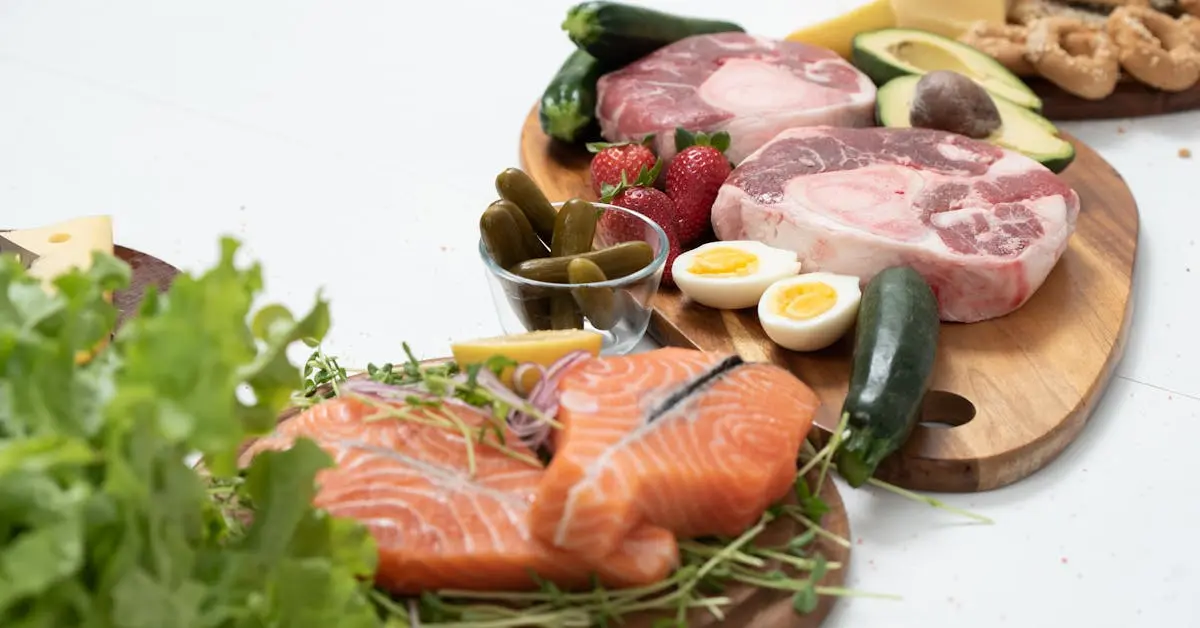
Food safety is a critical concern in homes, restaurants, catering businesses, and food manufacturing facilities. One of the most important concepts in food safety is TCS food. If you have ever taken a food safety course or worked in food service, you have likely heard this term. But what exactly is a TCS food, and why does it matter so much?
This in-depth guide explains what TCS foods are, why they are considered high risk, which foods fall into this category, and how they should be handled to keep food safe. By the end, you will have a clear understanding of which foods are TCS foods and how to manage them properly.
What Does TCS Mean in Food Safety?
TCS stands for Time/Temperature Control for Safety. A TCS food is any food that requires strict control of time and temperature to limit the growth of harmful microorganisms or the formation of toxins.
These foods are more likely to support the growth of bacteria, viruses, or parasites if they are not stored, cooked, cooled, or held at safe temperatures. Because of this risk, TCS foods must be carefully monitored throughout preparation, storage, and service.
In many food safety regulations, including the FDA Food Code, TCS foods were previously referred to as potentially hazardous foods (PHFs). The term TCS is now preferred because it clearly highlights the two main controls needed to keep these foods safe: time and temperature.
Why Are TCS Foods Considered High Risk?
Not all foods are equally risky. TCS foods share certain characteristics that make them ideal environments for harmful bacteria to grow.
Conditions That Promote Bacterial Growth
Most foodborne pathogens thrive when the following conditions are present:
- Moisture
- Protein or nutrients
- Neutral or slightly acidic pH
- Warm temperatures
The Temperature Danger Zone
The temperature danger zone is typically defined as:
- 41°F to 135°F (5°C to 57°C)
Which Is a TCS Food?
A TCS food is any food that requires time and temperature control to remain safe. Below are the main categories of foods that are classified as TCS foods, along with clear examples.
Animal-Based TCS Foods
Animal-derived foods are among the most common and highest-risk TCS foods because they are rich in protein and moisture.
Meat
All raw and cooked meats are TCS foods, including:
- Beef
- Lamb
- Goat
- Pork
- Veal
Poultry
Poultry is a classic example of a TCS food. This includes:
- Chicken
- Turkey
- Duck
- Other birds
Fish and Shellfish
Seafood is highly perishable and supports rapid bacterial growth if not properly refrigerated.
Examples include:
- Fresh fish
- Cooked fish
- Shrimp
- Crab
- Lobster
- Mussels
- Oysters
- Squid
Eggs and Egg Products
Eggs are a major source of foodborne illness when mishandled.
TCS egg products include:
- Raw shell eggs
- Liquid eggs
- Scrambled eggs
- Omelets
- Custards and sauces made with eggs
Dairy and Milk-Based TCS Foods
Dairy products contain moisture and nutrients that make them ideal for bacterial growth.
Milk and Cream
These are classic TCS foods:
- Whole milk
- Skim milk
- Cream
- Half-and-half
Cheese
Many cheeses are TCS foods, especially:
- Soft cheeses like brie, feta, ricotta, and cream cheese
- Fresh cheeses such as mozzarella
Yogurt and Dairy Desserts
Examples include:
- Yogurt
- Ice cream (once melted or during handling)
- Custard
- Pudding
Plant-Based TCS Foods
Not all plant-based foods are safe at room temperature. Several plant-derived foods become TCS foods after processing.
Cooked Vegetables
Raw vegetables are generally not TCS foods, but once cooked, they become TCS foods because cooking breaks down protective cell structures.
Examples include:
- Cooked rice
- Cooked beans
- Cooked potatoes
- Cooked carrots, peas, or spinach
Cut or Sliced Fruits and Vegetables
When fruits or vegetables are cut, their natural protective barriers are removed.
TCS examples include:
- Cut melons (watermelon, cantaloupe, honeydew)
- Cut tomatoes
- Cut leafy greens
- Fruit salads
Cooked Grains and Pasta
These foods are often overlooked but are common causes of foodborne illness.
Examples include:
- Cooked rice
- Cooked pasta
- Cooked quinoa
- Cooked oats
Prepared and Mixed TCS Foods
Foods made by combining ingredients often become TCS foods, even if the individual ingredients were not risky on their own.
Soups, Stews, and Sauces
These items usually contain protein, moisture, and are held warm for long periods.
Examples include:
- Chicken soup
- Beef stew
- Gravy
- Cream-based sauces
Salads and Salad Ingredients
Certain salads are TCS foods, especially when they contain protein or moisture-rich ingredients.
Examples include:
- Chicken salad
- Tuna salad
- Egg salad
- Pasta salad
- Potato salad
- Coleslaw (depending on formulation)
Baked Goods with Fillings
Some baked goods are shelf-stable, but others require refrigeration.
TCS baked goods include:
- Cream-filled pastries
- Custard pies
- Cheesecake
- Meringue pies
Foods That Are Commonly Confused With TCS Foods
Understanding which foods are not TCS foods is just as important.
Non-TCS Foods
These foods generally do not require time and temperature control for safety:
- Dry pasta
- Dry rice
- Bread and rolls
- Crackers
- Chips
- Whole, uncut fruits
- Whole, uncut vegetables
- Honey
- Jam and jelly
- Vinegar-based dressings
How to Safely Handle TCS Foods
Because TCS foods are high risk, proper handling is essential at every stage.
Receiving TCS Foods
When receiving TCS foods:
- Check temperatures immediately
- Cold foods should be at 41°F (5°C) or lower
- Hot foods should be at 135°F (57°C) or higher
- Reject foods that show signs of spoilage
Storing TCS Foods
Proper storage helps slow bacterial growth.
- Refrigerate cold TCS foods promptly
- Keep freezers at 0°F (-18°C) or lower
- Store raw meats below ready-to-eat foods
- Label foods with preparation or use-by dates
Cooking TCS Foods to Safe Temperatures
Cooking kills many harmful microorganisms, but only if the correct temperature is reached.
General minimum internal cooking temperatures include:
- Poultry: 165°F (74°C)
- Ground meats: 155°F (68°C)
- Whole cuts of beef, pork, and fish: 145°F (63°C)
- Eggs for immediate service: 145°F (63°C)
Cooling TCS Foods Safely
Improper cooling is one of the most common causes of foodborne illness.
Safe cooling guidelines:
- Cool from 135°F to 70°F within 2 hours
- Cool from 70°F to 41°F within an additional 4 hours
- Use shallow containers
- Divide large batches into smaller portions
- Use ice baths or blast chillers when possible
Reheating TCS Foods
When reheating for hot holding:
- Reheat to 165°F (74°C) within 2 hours
- Never use hot holding equipment to reheat food
Holding and Serving TCS Foods
During service:
- Keep hot foods at 135°F (57°C) or higher
- Keep cold foods at 41°F (5°C) or lower
- Minimize time spent in the danger zone
- Use clean utensils and avoid bare-hand contact
Time as a Public Health Control
In some cases, time can be used instead of temperature to control TCS foods.
Key points include:
- Food must start at a safe temperature
- Food can be held without temperature control for a limited time
- Clear labeling is required
- Food must be discarded after the approved time
Why Understanding TCS Foods Matters
Knowing which foods are TCS foods is essential for anyone involved in food handling. Improper management of these foods can lead to:
- Foodborne illness outbreaks
- Serious health risks for consumers
- Legal penalties for food businesses
- Damage to reputation and trust
Final Thoughts on Which Is a TCS Food
A TCS food is any food that requires careful control of time and temperature to remain safe. Common examples include meats, poultry, seafood, dairy products, cooked vegetables, cooked grains, eggs, and many prepared foods.
Understanding which foods fall into this category, why they are risky, and how to handle them properly is a foundational part of food safety. Whether you are cooking at home or working in a professional kitchen, managing TCS foods correctly helps protect health, prevent illness, and ensure safe, high-quality food for everyone.