
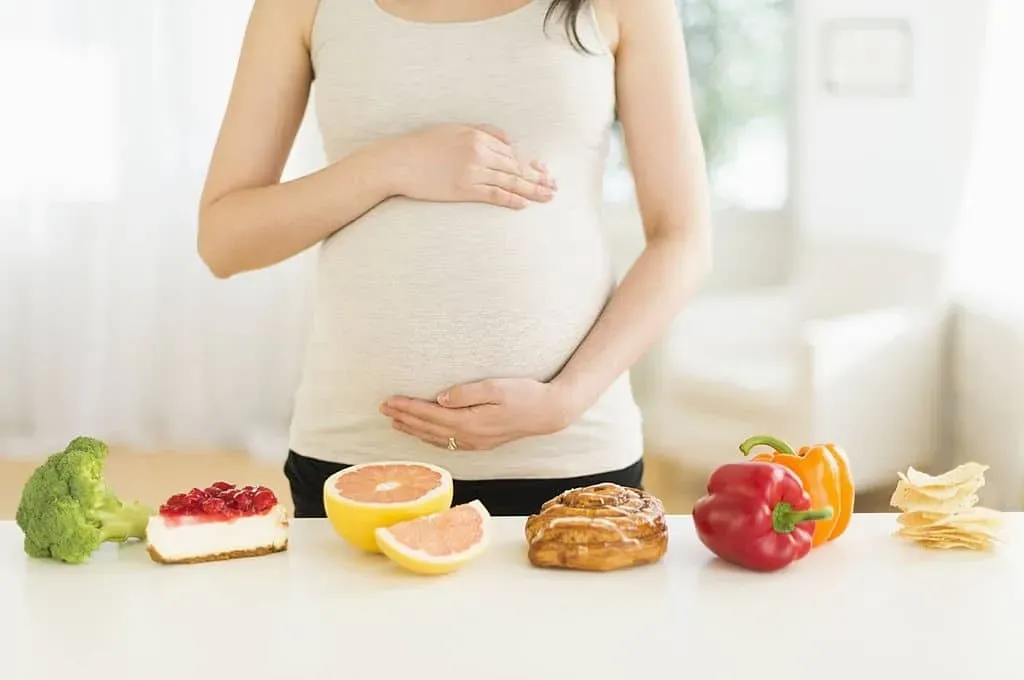
Pregnancy often brings a wave of questions about food. From cravings to aversions, what you eat suddenly feels more important than ever. One of the most common questions expectant mothers ask is: can you eat spicy food while pregnant? The short answer is yes, but the full answer is more nuanced.
Spicy food is enjoyed in many cultures around the world, and for some people, it is a daily staple rather than an occasional indulgence. During pregnancy, however, your body undergoes significant hormonal and physical changes that can affect how you tolerate certain foods. This comprehensive guide explores whether spicy food is safe during pregnancy, its potential benefits, possible side effects, and practical tips for enjoying it comfortably.
Understanding Spicy Food During Pregnancy
Spicy food typically refers to dishes that contain ingredients like chili peppers, hot sauces, cayenne pepper, black pepper, or other spices that create heat. The compound most responsible for spiciness is capsaicin, which stimulates nerve receptors and produces a burning sensation.
From a nutritional standpoint, spicy foods are not inherently unhealthy. In fact, many spicy ingredients come with nutritional benefits. The key concern during pregnancy is not whether spicy food is toxic or dangerous, but how it affects your digestive system and overall comfort.
Is It Safe to Eat Spicy Food While Pregnant?
For most healthy pregnancies, spicy food is safe to eat in moderation. There is no scientific evidence showing that spicy foods harm the developing baby or cause pregnancy complications when consumed as part of a balanced diet.
The baby is well-protected inside the uterus, and the flavors you eat do not directly irritate or burn the baby. While strong flavors may influence the taste of amniotic fluid, this is generally considered harmless and may even help expose the baby to a wider range of flavors before birth.
However, safety does not always mean comfort. Many pregnant individuals experience digestive sensitivity that can make spicy food less enjoyable than usual.
Common Myths About Spicy Food and Pregnancy
There are many myths surrounding spicy food during pregnancy. Let’s address some of the most common ones.
Myth: Spicy Food Can Harm the Baby
This is not true. Spicy food does not burn, irritate, or injure the baby. The uterus and amniotic sac act as protective barriers.
Myth: Spicy Food Causes Premature Labor
There is no reliable evidence that eating spicy food triggers labor. While spicy food may cause digestive upset or bowel movements, it does not stimulate uterine contractions in a way that leads to labor.
Myth: Spicy Food Leads to Hairless Babies or Skin Problems
These beliefs are cultural myths and have no medical basis.
How Pregnancy Changes Your Reaction to Spicy Food
Even if you loved spicy food before pregnancy, you may find that your tolerance changes.
Hormonal Shifts
Pregnancy hormones, especially progesterone, relax the muscles of the digestive tract. This slows digestion and can increase the likelihood of discomfort after eating spicy or heavy foods.
Slower Digestion
Slower digestion can cause food, including spicy meals, to stay in the stomach longer. This may increase the risk of heartburn, bloating, or indigestion.
Heightened Sensitivity
Many pregnant people experience heightened senses of taste and smell. Spicy food may feel more intense than it did before pregnancy.
Potential Side Effects of Eating Spicy Food While Pregnant
While spicy food is not dangerous, it can cause uncomfortable symptoms, especially in the second and third trimesters.
Heartburn and Acid Reflux
Heartburn is one of the most common pregnancy complaints.
Why It Happens
- Hormones relax the valve between the stomach and esophagus
- The growing uterus puts pressure on the stomach
- Spicy foods can irritate the esophagus
Symptoms May Include
- Burning sensation in the chest or throat
- Sour or bitter taste in the mouth
- Discomfort after meals
Indigestion and Gas
Spicy food can increase stomach acid and slow digestion, leading to:
- Bloating
- Gas
- Stomach discomfort
Nausea and Vomiting
If you are already dealing with morning sickness or pregnancy-related nausea, spicy food may worsen these symptoms.
Diarrhea or Loose Stools
Spicy food can stimulate the digestive system, which may lead to loose stools, especially if your body is sensitive during pregnancy.
Are There Any Benefits to Eating Spicy Food While Pregnant?
Despite potential discomfort, spicy food can offer some benefits when tolerated well.
Nutritional Benefits of Spicy Ingredients
Many spices used in spicy food contain beneficial nutrients.
Chili Peppers
- Rich in vitamin C
- Contain antioxidants
- May support immune health
Garlic and Ginger
Often used in spicy dishes, these ingredients may help with digestion and inflammation when consumed in moderation.
Turmeric
Common in spicy curries, turmeric contains curcumin, known for its antioxidant properties.
Encouraging a Diverse Palate
Some research suggests that flavors from a mother’s diet can pass into amniotic fluid and later into breast milk. Exposure to a variety of flavors may help babies be more open to different tastes later in life.
Cultural and Emotional Comfort
For many people, spicy food is tied to cultural identity and emotional comfort. Enjoying familiar foods during pregnancy can contribute to emotional well-being.
Can Eating Spicy Food Affect the Baby After Birth?
A common concern is whether spicy food will affect the baby’s digestion, temperament, or feeding habits.
During Pregnancy
There is no evidence that eating spicy food during pregnancy causes colic, allergies, or digestive problems in newborns.
During Breastfeeding
Some babies may be sensitive to certain flavors in breast milk, but this varies widely. Spicy food does not automatically cause fussiness or discomfort in breastfed babies.
How Much Spicy Food Is Too Much During Pregnancy?
There is no universal rule for how much spicy food is safe. The right amount depends on your personal tolerance.
Listen to Your Body
If you feel fine after eating spicy food, it is likely okay to continue. If you experience discomfort, it may be best to reduce the intensity or frequency.
Moderation Is Key
Instead of very spicy meals, consider milder versions that still offer flavor without excessive heat.
Tips for Eating Spicy Food Comfortably While Pregnant
If you love spicy food and want to keep it in your diet, these tips can help reduce discomfort.
Choose Milder Spice Levels
You do not need to eliminate spice entirely. Opt for moderate heat rather than extremely spicy dishes.
Pair Spicy Food With Cooling Foods
Foods that can help balance heat include:
- Yogurt
- Milk
- Rice
- Bread
- Avocado
Avoid Eating Spicy Food Late at Night
Eating spicy food close to bedtime increases the risk of heartburn and disrupted sleep.
Eat Smaller, More Frequent Meals
Large meals can worsen indigestion. Smaller portions are easier to digest and less likely to cause reflux.
Stay Upright After Eating
Avoid lying down immediately after a spicy meal. Sitting or standing helps prevent stomach acid from moving upward.
Stay Hydrated
Drinking enough water throughout the day supports digestion, but avoid drinking large amounts during meals, as this can increase stomach pressure.
When Should You Avoid Spicy Food During Pregnancy?
While spicy food is generally safe, there are situations where it may be better to limit or avoid it.
Severe Heartburn or Acid Reflux
If spicy food consistently triggers severe heartburn, it is best to avoid it until symptoms improve.
Gastrointestinal Conditions
Pregnant individuals with conditions such as gastritis, ulcers, or irritable bowel syndrome may find spicy food particularly irritating.
Persistent Nausea or Vomiting
If spicy food worsens nausea or vomiting, it should be avoided, especially during the first trimester.
Spicy Food Cravings During Pregnancy
Cravings are common during pregnancy, and spicy food cravings are no exception.
Why Cravings Happen
Possible reasons include:
- Hormonal changes
- Nutrient needs
- Emotional comfort
- Cultural food preferences
Does Eating Spicy Food Determine the Baby’s Gender?
This is another popular myth. There is no scientific link between eating spicy food and the baby’s sex.
Cultural Perspectives on Spicy Food and Pregnancy
In many cultures, spicy food is a regular part of pregnancy diets.
Global Examples
- In parts of Asia, chili-based dishes are commonly eaten during pregnancy
- In Latin American cultures, spicy sauces are often consumed without concern
- In South Asian diets, spices are integral to daily meals
What Do Healthcare Providers Generally Recommend?
Most healthcare providers agree on the following points:
- Spicy food is safe for most pregnant people
- Comfort and tolerance matter more than strict avoidance
- Balanced nutrition should be the priority
Final Thoughts on Eating Spicy Food While Pregnant
So, can you eat spicy food while pregnant? Yes, in most cases, you can. Spicy food does not harm your baby and does not cause pregnancy complications. However, pregnancy can change how your body reacts to spicy foods, making heartburn, indigestion, or nausea more likely.
The best approach is to listen to your body, enjoy spicy food in moderation, and make adjustments based on your comfort level. Pregnancy is not about eliminating joy from food but about finding a balance that supports both your health and your well-being.
If spicy food brings you comfort and you tolerate it well, there is no reason to give it up entirely. With mindful choices and a bit of flexibility, you can continue to enjoy flavorful meals throughout your pregnancy.