
Food illustration is one of the most enjoyable and expressive forms of art. Whether you want to create cute cartoon snacks, realistic desserts, or detailed illustrations for menus, cookbooks, or social media, learning how to draw food opens up endless creative possibilities. Food drawings can be playful, comforting, vibrant, and incredibly satisfying to create.
This in-depth guide will walk you through everything you need to know about drawing food, from basic shapes and observation skills to advanced techniques for texture, shading, and style development. No matter your skill level, this page will help you build confidence and improve your food drawings step by step.
Why Drawing Food Is a Great Skill to Learn
Drawing food is more than just sketching what you eat. It helps improve core art skills while allowing you to explore creativity.
Benefits of Learning to Draw Food
- Improves observation and attention to detail
- Strengthens understanding of shapes, form, and texture
- Encourages creativity and personal style
- Useful for illustration, design, branding, and social media
- Fun and relaxing subject matter
Understanding Food as Shapes and Forms
Before focusing on details, it is important to break food down into simple shapes.
Start With Basic Shapes
Almost every food item can be simplified into basic forms:
- Fruits often start as circles or ovals
- Bread and cakes can be rectangles or domes
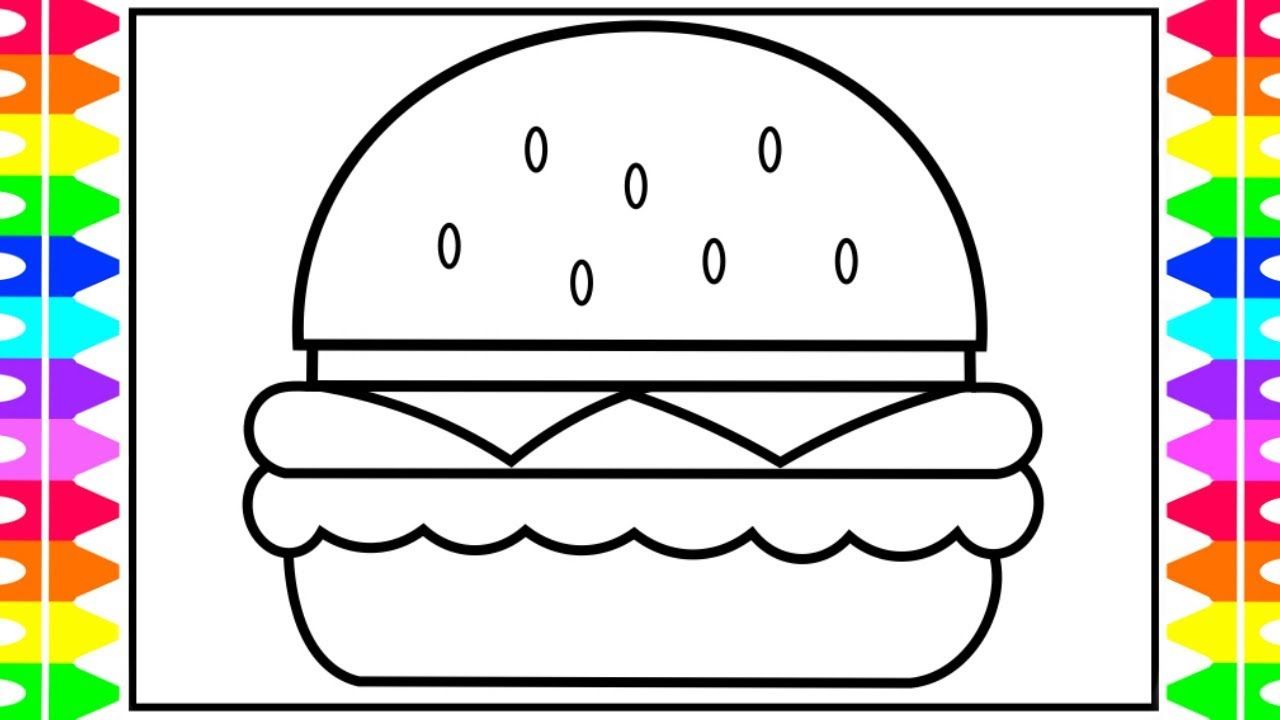
- Burgers are stacked cylinders
- Pizza slices are triangles
Seeing Food in 3D
Food is rarely flat. Even simple items like cookies or pancakes have thickness. Train yourself to see food as three-dimensional objects with volume. Light, shadow, and perspective all depend on this understanding.
Essential Tools for Drawing Food
You do not need expensive supplies to draw food well, but having the right tools helps.
Traditional Drawing Tools
- Pencil for sketching and shading
- Eraser for corrections and highlights
- Pen or fineliner for clean outlines
- Colored pencils, markers, or watercolor for color
Digital Drawing Tools
- Tablet and stylus
- Drawing apps with layers and brushes
- Digital color palettes
Learning to Observe Food Closely
Observation is one of the most important skills in drawing food.
Study Real Food
Whenever possible, draw from real food rather than photos alone. Notice:
- Shape variations
- Surface texture
- Color gradients
- Highlights from moisture or glaze
Use Reference Images Wisely
Photos are still valuable, especially when drawing foods you cannot access physically. Use multiple references to understand the item from different angles.
How to Draw Food Step by Step
While every artist develops their own workflow, a structured process helps beginners.
Step One: Light Sketching
Begin with light pencil lines or low-opacity digital strokes.
- Block in basic shapes
- Check proportions
- Keep lines loose and adjustable
Step Two: Refining the Shape
Once the basic form is correct:
- Smooth out outlines
- Adjust curves and angles
- Define edges more clearly
Step Three: Adding Details
Details give food its personality.
Examples include:
- Seeds on strawberries
- Crust texture on bread
- Drips of sauce or icing
- Layers inside sandwiches
Step Four: Shading and Depth
Shading makes food look realistic or visually appealing.
- Identify the light source
- Add shadows beneath and within the food
- Use soft shading for smooth foods
- Use textured strokes for rough surfaces
How to Draw Different Types of Food
Different foods require different approaches. Understanding their characteristics helps you draw them more convincingly.
Drawing Fruits and Vegetables
Fruits and vegetables are excellent practice subjects.
Key Characteristics
- Organic, irregular shapes
- Natural imperfections
- Subtle color variations
Drawing Baked Goods and Desserts
Desserts are visually rich and rewarding to draw.
Tips for Desserts
- Emphasize softness and fluffiness
- Use rounded edges
- Add texture with crumbs, sprinkles, or frosting swirls
Drawing Fast Food and Snacks
Fast food drawings are popular in cartoon and stylized art.
Common Features
- Bold shapes
- Strong outlines
- Repeating elements like sesame seeds or fries
Drawing Meals and Plates of Food
Drawing full meals adds complexity but also storytelling.
Composition Matters
- Arrange items naturally
- Overlap elements for depth
- Consider the plate, bowl, or background
Adding Color to Food Drawings
Color brings food illustrations to life and can even make them look appetizing.
Understanding Food Colors
Food rarely has one flat color.
For example:
- Bread may include browns, yellows, and hints of gray
- Fruits often have gradients from light to dark
- Cooked foods may have golden or toasted tones
Using Warm and Cool Tones
Warm colors like red, orange, and yellow often dominate food drawings. Adding cool tones in shadows creates balance and realism.
Avoiding Over-Saturation
Bright colors are tempting, but too much saturation can make food look artificial. Balance vivid areas with softer tones.
Creating Texture in Food Drawings
Texture is what makes food feel real or delicious.
Smooth Textures
Examples include:
- Chocolate
- Custard
- Ice cream
Rough and Crunchy Textures
Examples include:
- Fried foods
- Bread crusts
- Crackers
Juicy and Glossy Textures
Examples include:
- Fruit slices
- Sauces
- Syrup
Developing Your Own Food Drawing Style
There is no single correct way to draw food. Style is personal and evolves over time.
Realistic Food Illustration
Realistic styles focus on accurate proportions, lighting, and texture. This approach requires patience and close observation.
Cartoon and Cute Food Styles
Cute food art often features:
- Simplified shapes
- Large eyes or faces
- Bright colors
- Minimal shading
Minimalist Food Drawings
Minimalist styles use clean lines and limited color. These are great for icons, logos, and modern design projects.
Practicing Food Drawing Regularly
Like any skill, drawing food improves with consistent practice.
Daily Sketching Ideas
- Draw your breakfast
- Sketch a piece of fruit
- Illustrate your favorite snack
- Recreate a dish from memory
Keeping a Food Sketchbook
A dedicated sketchbook helps you track progress and experiment freely without pressure.
Common Mistakes When Drawing Food
Being aware of common pitfalls can speed up improvement.
Common Errors
- Making food too flat
- Ignoring light sources
- Over-detailing too early
- Using one color instead of layered tones
Using Food Drawing for Creative Projects
Once you gain confidence, food drawing can be used in many practical ways.
Illustration and Design
Food drawings are widely used in:
- Menus
- Packaging
- Cookbooks
- Branding
Social Media and Content Creation
Food art performs well on platforms that value visual appeal. Consistent style and subject matter can help build an audience.
Personal Enjoyment and Relaxation
Many people draw food simply because it is comforting and fun. It can be a form of creative relaxation.
Improving by Studying Other Artists
Learning from others is a powerful way to grow.
What to Observe
- How artists simplify shapes
- How they use color and shading
- How they stylize textures
Final Thoughts on How to Draw Food
Learning how to draw food is a rewarding journey that blends observation, creativity, and technique. From simple sketches of fruit to detailed illustrations of full meals, food offers endless inspiration and variety.
Start with basic shapes, observe real food closely, and practice regularly. Over time, you will develop your own approach and style. Whether your goal is realistic illustration, cute cartoon art, or expressive design, drawing food allows you to connect creativity with everyday life in a joyful way.
With patience and curiosity, every meal can become an opportunity to create art.