
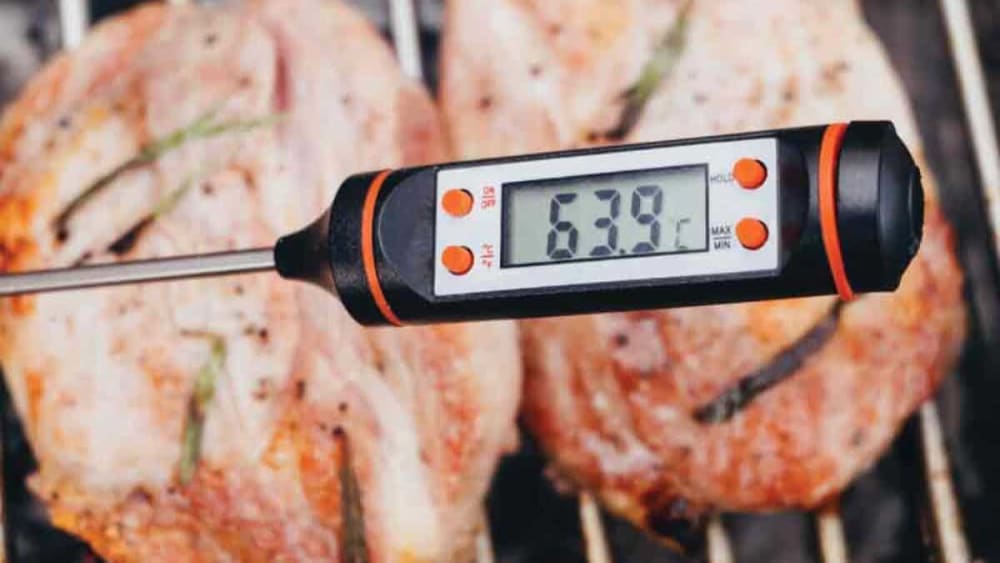
Food safety is not just a concern for restaurants and catering businesses; it affects anyone who cooks, serves, or stores food. One of the most critical concepts in food safety is the temperature danger zone, especially when it comes to hot held food. Misunderstanding this zone can lead to rapid bacterial growth, foodborne illnesses, and serious health risks.
In this in-depth guide, we will explore which hot held foods fall into the temperature danger zone, why this zone is so dangerous, and how to prevent food from entering it. Whether you are a food handler, restaurant manager, or home cook, understanding these principles is essential for serving safe meals.
Understanding the Temperature Danger Zone
The temperature danger zone is the range of temperatures in which bacteria grow most rapidly. According to food safety authorities such as the FDA and WHO, this range is:
5°C to 60°C (41°F to 140°F)
Within this range, bacteria that cause food poisoning can double in number in as little as 20 minutes. The longer food stays in this zone, the higher the risk of contamination and illness.
Hot held food becomes dangerous when its temperature drops below 60°C (140°F) and remains there for an extended period. This is why maintaining correct hot holding temperatures is just as important as proper refrigeration.
What Is Hot Holding in Food Safety?
Hot holding refers to keeping cooked food hot after it has been prepared and before it is served. This is common in:
- Buffets
- Catering events
- Restaurants
- Cafeterias
- Street food stalls
- Home gatherings and parties
The purpose of hot holding is to keep food out of the temperature danger zone until it is served. Safe hot holding requires food to be kept at 60°C (140°F) or above at all times.
If hot food falls below this temperature, it enters the danger zone and may no longer be safe to eat, depending on how long it stays there.
Why the Temperature Danger Zone Is So Risky
Bacteria need three main things to grow: food, moisture, and warmth. The temperature danger zone provides ideal warmth for harmful microorganisms such as:
- Salmonella
- E. coli
- Listeria monocytogenes
- Clostridium perfringens
- Staphylococcus aureus
Hot held foods are often rich in protein and moisture, making them perfect breeding grounds for bacteria if temperature control fails. Even reheating food may not destroy toxins already produced by certain bacteria.
Which Hot Held Foods Are Most Likely to Enter the Temperature Danger Zone?
Not all foods pose the same risk. Some hot held foods are particularly vulnerable to falling into the temperature danger zone due to their composition, serving method, or holding equipment.
Cooked Meat and Poultry
Cooked meat and poultry are among the highest-risk hot held foods.
Examples include:
- Roast chicken
- Grilled beef
- Lamb curries
- Fried chicken
- Meatballs
- Sausages
Once cooked, these foods must be kept hot above 60°C. If they are left on warming trays, chafing dishes, or counters without proper heat control, they can quickly drop into the danger zone. Thick cuts of meat may also cool unevenly, making the center especially risky.
Cooked Rice and Pasta
Cooked rice and pasta are frequently involved in food poisoning cases.
Common examples:
- Steamed rice
- Fried rice
- Pilaf
- Pasta with sauce
- Noodles
Rice is especially dangerous because it can contain Bacillus cereus, a bacteria that produces heat-resistant spores. If cooked rice is hot held below 60°C, these spores can grow and release toxins that reheating will not destroy.
Soups, Stews, and Gravies
Liquid foods may seem safer, but they can also be high risk.
Examples include:
- Chicken soup
- Lentil daal
- Beef stew
- Vegetable curry
- Gravies and sauces
These foods are often cooked in large batches and held for long periods. If the heat source is not strong enough or the pot is frequently uncovered and stirred, the temperature can fall into the danger zone.
Cooked Fish and Seafood
Seafood is highly perishable and requires strict temperature control.
High-risk hot held seafood includes:
- Fried fish
- Fish curry
- Prawn dishes
- Crab and lobster
- Seafood chowder
Seafood proteins break down quickly and can support rapid bacterial growth if temperatures are not maintained correctly.
Eggs and Egg-Based Dishes
Egg dishes are another common culprit.
Examples include:
- Scrambled eggs
- Omelets
- Quiches
- Egg curry
- Custards and sauces with eggs
Egg-based dishes must be hot held carefully, especially during breakfast service or buffets. Even short periods in the danger zone can make them unsafe.
Dairy-Based Hot Foods
Dairy products are sensitive to temperature changes.
Risky examples include:
- Cheese sauces
- Cream-based soups
- Alfredo sauce
- Milk-based curries
- Hot desserts with custard
These foods can spoil quickly when held warm but not hot enough, making them prime candidates for bacterial growth.
Cooked Vegetables Prepared in Bulk
Vegetables alone are generally lower risk, but when cooked and held hot in bulk, they can still enter the danger zone.
Examples include:
- Mashed potatoes
- Cooked beans
- Mixed vegetable dishes
- Stuffed vegetables
When combined with butter, cream, or sauces, the risk increases significantly.
Hot Held Foods Commonly Found in the Danger Zone
Certain situations make it more likely for hot held foods to fall into unsafe temperatures.
Buffet and Self-Service Foods
Buffets are notorious for temperature control issues. Food may sit out for hours while lids are opened repeatedly, allowing heat to escape. Sterno fuel may run out, or electric warmers may not be properly calibrated.
Catering and Outdoor Events
Outdoor catering faces challenges such as wind, cold weather, and inconsistent power sources. Hot food transported from kitchens to event sites can easily drop below safe temperatures during transit.
Street Food and Mobile Vendors
Street food vendors often rely on portable heating equipment that may not maintain consistent temperatures, especially during slow service periods.
Home Parties and Gatherings
At home, food is often prepared in advance and kept warm in ovens, slow cookers, or on stovetops. Without thermometers, it is easy to assume food is safe when it is actually in the danger zone.
How Long Can Hot Held Food Stay in the Danger Zone?
Time is just as important as temperature.
- Up to 2 hours in the danger zone: Food may be reheated to 74°C (165°F) and served.
- More than 2 hours in the danger zone: Food should be discarded.
- More than 4 hours: Food must be thrown away immediately, even if reheated.
These guidelines apply to cumulative time, meaning all time spent in the danger zone counts, not just one continuous period.
Signs That Hot Held Food May Be Unsafe
Visual cues are not reliable, but some warning signs include:
- Lukewarm temperature
- Steam no longer rising from food
- Dry edges with a cooler center
- Sour or unusual smell
- Separation of sauces
Food can still be dangerous even if it looks and smells normal, which is why temperature checks are essential.
How to Keep Hot Held Food Out of the Danger Zone
Preventing food from entering the danger zone requires proper planning, equipment, and monitoring.
Use Proper Hot Holding Equipment
Approved hot holding equipment includes:
- Steam tables
- Chafing dishes with sufficient fuel
- Electric warming trays
- Hot holding cabinets
- Slow cookers designed for holding, not cooking
These devices are designed to maintain food at or above 60°C.
Monitor Temperatures Regularly
Use a calibrated food thermometer to check temperatures at least every two hours. Insert the thermometer into the thickest part of the food to get an accurate reading.
Stir Food Frequently
Stirring helps distribute heat evenly, especially in soups, stews, and sauces. This prevents cooler spots where bacteria can thrive.
Keep Lids On When Possible
Keeping containers covered helps retain heat and maintain safe temperatures.
Reheat Food Properly
If food drops below 60°C and has been there for less than two hours, reheat it rapidly to 74°C (165°F) before returning it to hot holding.
Prepare Food in Smaller Batches
Smaller batches are easier to keep hot and can be replenished more frequently, reducing the risk of prolonged holding.
Legal and Health Consequences of Improper Hot Holding
In commercial food operations, failure to maintain safe hot holding temperatures can lead to:
- Foodborne illness outbreaks
- Customer complaints and lawsuits
- Fines and penalties
- Temporary or permanent closure
- Damage to reputation
Food safety inspectors routinely check hot holding temperatures, and violations are considered serious offenses.
The Role of Food Handlers and Training
Proper training is essential in preventing temperature abuse. Food handlers should understand:
- The temperature danger zone
- Correct hot holding temperatures
- How to use thermometers
- When to discard food
- Safe reheating procedures
Consistent training ensures that everyone involved in food service takes responsibility for food safety.
Key Takeaways on Hot Held Food and the Temperature Danger Zone
Hot held food becomes unsafe when it enters the temperature danger zone of 5°C to 60°C (41°F to 140°F). High-risk foods such as meats, rice, soups, dairy-based dishes, and seafood must be kept hot at 60°C or above at all times.
The most dangerous hot held foods are those that are protein-rich, moist, and held for long periods without proper temperature control. Buffets, catering events, and home gatherings are common scenarios where food safety mistakes occur.
By using proper equipment, monitoring temperatures, and following safe food handling practices, you can significantly reduce the risk of foodborne illness and ensure that hot held food remains safe to eat.
Understanding which hot held food is in the temperature danger zone is not just about compliance; it is about protecting health, building trust, and serving food with confidence.