
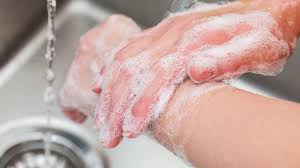
Handwashing is one of the most important safety practices in the food industry. Whether someone works in a restaurant, cafeteria, bakery, food truck, catering service, or food manufacturing facility, proper handwashing prevents the spread of harmful germs and protects customers from foodborne illnesses. Because of this, the question “Where can a food worker wash her hands?” is more than a simple workplace inquiry—it's a key part of food safety laws, public health guidelines, and overall sanitation protocols.
This in-depth guide explains where food workers are allowed to wash their hands, where they are not allowed to wash their hands, and why proper handwashing locations matter. We’ll also explore handwashing regulations, equipment requirements, common mistakes, and best practices to ensure safe and professional food handling.
Why Is Handwashing So Important in the Food Industry?
Handwashing is essential for preventing cross-contamination, which occurs when harmful bacteria, viruses, or allergens transfer from hands to food, kitchen tools, or surfaces. Foodborne pathogens such as Salmonella, E. coli, Norovirus, and Staphylococcus aureus can easily spread through unwashed or improperly washed hands.
A food worker’s hands can become contaminated from:
- Handling raw meat, seafood, poultry, or eggs
- Touching body parts (nose, hair, face, mouth)
- Using the restroom
- Coughing or sneezing
- Taking out the trash
- Touching phones, pens, doorknobs, or cleaning cloths
- Handling chemicals or cleaning supplies
Where Can a Food Worker Wash Her Hands?
According to food safety regulations (such as the FDA Food Code), a food worker can wash her hands at designated handwashing sinks only. These sinks must meet specific requirements that ensure they are clean, accessible, and created specifically for hand hygiene—not for food or equipment.
Here are the approved locations:
1. Designated Handwashing Sinks in the Food Preparation Area
Every commercial kitchen must have at least one accessible handwashing sink in or near the area where food is prepared.
A food worker is allowed to wash her hands in these sinks as long as the sink is solely designated for handwashing and not being used for other tasks.
Handwashing sinks in prep areas must:
- Be easy to reach
- Not require passing through restricted rooms
- Have warm running water
- Be stocked with soap and paper towels
- Have signs reminding employees to wash their hands
2. Handwashing Sinks Near Restrooms
Every restroom in a food establishment must have a sink inside it. However, food workers must wash their hands:
- Inside the restroom (mandatory), and then
- At a designated handwashing sink back in the food prep or service area
3. Handwashing Sinks in Dishwashing and Utility Areas
If a kitchen has a dishwashing area or utility zone, the establishment must provide a handwashing sink in or near this space.
Food workers may wash their hands here when:
- Handling dirty dishes
- Switching from cleaning tasks to food handling
- Touching chemicals or cleaning tools
4. Handwashing Sinks at Service or Front-of-House Stations
In cafeterias, delis, bakeries, buffets, and cafés, workers often handle food in areas visible to customers. These locations must have handwashing sinks available so workers can maintain cleanliness without returning to the kitchen constantly.
Approved examples include:
- Bakery counters
- Coffee or beverage stations
- Deli slicing areas
- Buffet monitoring stations
- Cashier stations where food is handled
5. Portable Handwashing Stations (For Food Trucks & Outdoor Events)
Food trucks, pop-up booths, and outdoor events don’t always have built-in plumbing. In these cases, portable handwashing stations are required.
A food worker may wash her hands at a portable handwashing station that includes:
- Fresh potable water
- A wastewater container
- Soap dispenser
- Paper towels
- A hands-free faucet or spigot
6. Handwashing Sinks in Employee Break Rooms (When Designated)
Even though break rooms are separate from kitchens, some facilities have approved handwashing sinks meant for employees.
A food worker can wash her hands here if the sink is designated and labeled for handwashing only. These are especially useful when returning from breaks, eating, or touching personal belongings.
Where a Food Worker CANNOT Wash Her Hands
Equally important is understanding where a food worker must not wash her hands. Using the wrong sink can contaminate food, dirty dishes, or clean equipment.
Food workers cannot wash their hands in any of the following:
1. Food Preparation Sinks
Food prep sinks are used for:
- Washing fruits and vegetables
- Thawing frozen food
- Cutting or soaking ingredients
2. Dishwashing Sinks
Dishwashing sinks are meant for cleaning equipment, not hands.
A food worker cannot wash her hands in:
- A three-compartment sink
- A utility or mop sink
- A sink used for soaking or sanitizing dishes
3. Mop Sinks or Janitorial Sinks
These sinks are used for cleaning floors, filling mop buckets, or dumping dirty water. They contain harsh chemicals and harmful bacteria.
Because of this, they are never approved for handwashing.
4. Bar Sinks (unless designated for handwashing)
Bar areas sometimes have sinks for drink preparation or utensil rinsing. These are not safe for handwashing unless they are:
- Marked specifically for handwashing
- Upgraded to meet health code requirements
5. Food Equipment Sinks
Any sink used for:
- Mixing ingredients
- Pre-rinsing equipment
- Cooling items
- Soaking foods
What Must a Proper Handwashing Sink Include?
A food worker can only wash her hands in a sink that meets food safety standards. A compliant sink must include:
1. Clean, potable warm water
Health codes usually require water to reach at least 100°F (38°C).
2. Soap (liquid or foam)
Bars of soap are not recommended in commercial kitchens.
3. Paper towels or an air dryer
Reusable cloth towels are not allowed because they can hold bacteria.
4. A trash bin nearby
Paper towels must be disposed of properly.
5. Handwashing reminder signs
Most regions require posted signage.
6. Hands-free operation if possible
Foot pedals, elbow levers, or motion sensors reduce cross-contamination.
These requirements ensure that employees can wash their hands effectively without contaminating surfaces.
When Must a Food Worker Wash Her Hands?
Knowing where to wash hands goes hand-in-hand with knowing when to wash them. Food workers must wash their hands many times throughout their shift—not just once or twice.
A food worker must wash her hands:
- Before starting work
- Before putting on gloves
- After touching raw meat, poultry, seafood, or eggs
- After using the restroom
- After touching her hair, face, clothes, or phone
- After sneezing, coughing, or blowing her nose
- After eating, drinking, or taking a break
- After taking out garbage
- After cleaning or touching chemicals
- After handling money (in certain food service setups)
- After touching dirty dishes
- After handling soiled linens or towels
Why Food Workers Should Only Use Designated Handwashing Sinks
1. To Prevent Food Contamination
Using a prep sink or dish sink can spread bacteria onto equipment and food.
2. To Comply With Health Codes
Regulatory agencies require strict separation of sinks.
3. To Create a Sanitary Workflow
Designated sinks prevent cross-contamination and keep kitchens organized.
4. To Avoid Legal Violations
Improper handwashing locations can cause health inspection failures or fines.
5. To Protect Consumer Health
Proper hygiene reduces disease spread and keeps customers safe.
Best Practices for Handwashing in a Food Establishment
- Use warm water—not hot or cold.
- Always create a good lather with soap.
- Rub between fingers, under nails, and up wrists.
- Rinse thoroughly.
- Dry hands completely before putting on gloves.
- Remove jewelry before washing (rings trap bacteria).
- Wash hands even if wearing gloves—gloves are not substitutes.
FAQs: Where Can a Food Worker Wash Her Hands?
Can a food worker wash her hands in a sink used for washing dishes?
No. Dish sinks are not approved for handwashing.
Can hands be washed in a food prep sink?
No, this is prohibited to prevent contamination.
Can a food worker use a restroom sink only?
She must wash inside the restroom and again at a designated handwashing sink.
Are portable handwashing stations allowed?
Yes—as long as they meet health code requirements.
Final Thoughts: Where Can a Food Worker Wash Her Hands?
A food worker can wash her hands only at designated handwashing sinks, including:
- Handwashing sinks in the kitchen
- Restroom sinks
- Front-of-house handwashing sinks
- Dish/utility area handwashing sinks
- Portable stations for mobile food operations
- Approved employee area handwashing sinks
- Prep sinks
- Dishwashing sinks
- Mop sinks
- Bar sinks (unless approved)
- Equipment sinks