
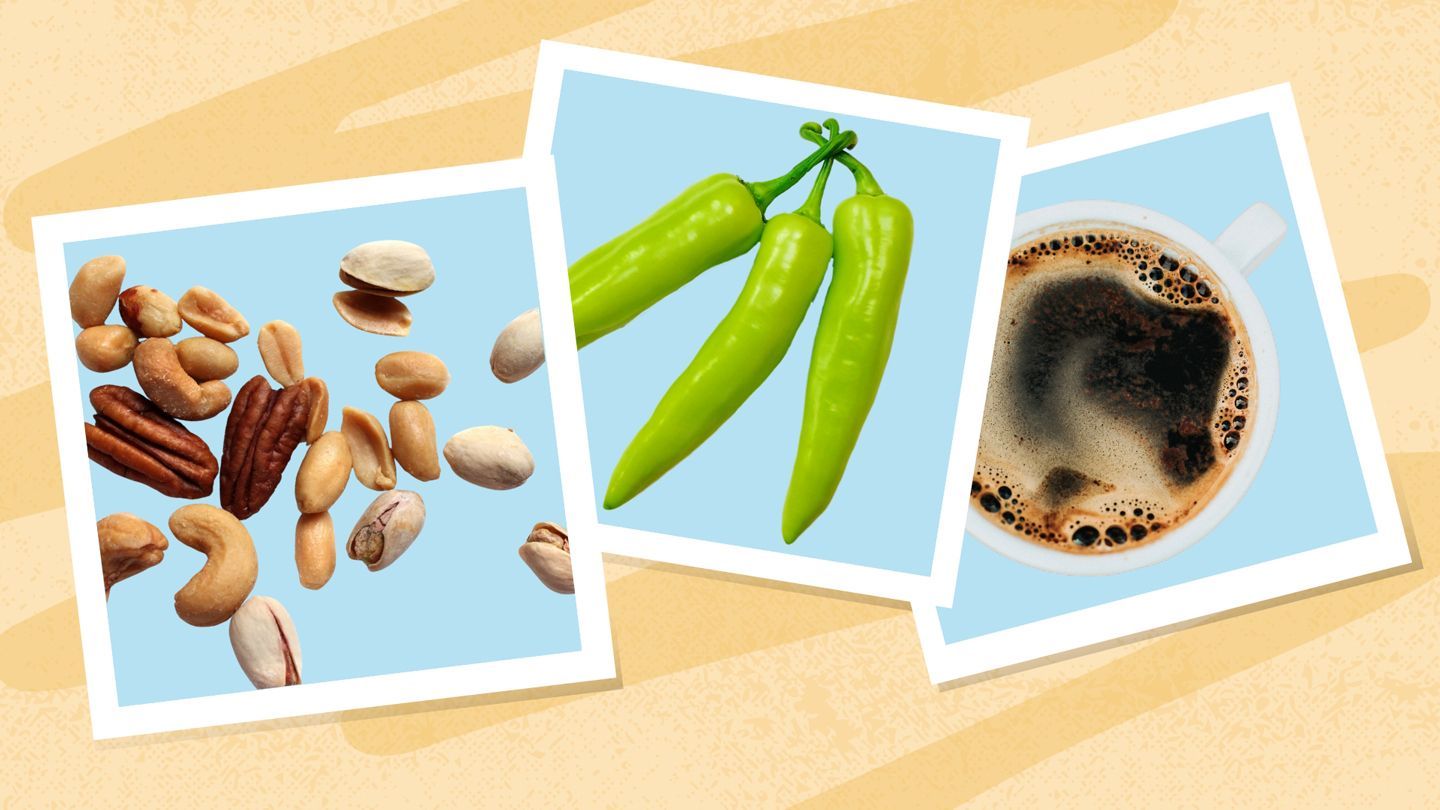
Recovering from wisdom teeth removal is a process that requires patience, the right aftercare, and careful food choices. One of the most common questions people ask is: “When can I start eating solid food after wisdom teeth removal?” Because everyone’s healing timeline is slightly different, there is no universal rule—but there are widely accepted guidelines, dental recommendations, and safe progressions you can follow.
In this complete guide, you’ll learn how long to wait before eating solid food, what foods are safe at each stage, what to avoid, and practical tips to protect your healing sites. This page also includes recovery insights, common mistakes to avoid, and how to gradually transition back to your normal diet.
Why Food Choices Matter After Wisdom Teeth Removal
After your wisdom teeth are removed, there are open surgical sites that need time to heal. During the first few days, the body forms blood clots in those areas. These clots are essential because they protect the bone and nerves underneath while also supporting new tissue growth.
The wrong foods can:
- Dislodge the blood clot
- Irritate the gum tissue
- Cause pain or swelling
- Introduce bacteria into the wound
- Get stuck in the extraction sockets
How Long Does It Take to Return to Normal Eating?
Although healing varies from person to person, most people follow a similar timeline:
- First 24–48 hours: Liquids and very soft foods only
- Days 3–7: Soft foods that require minimal chewing
- Days 7–14: Semi-solid or tender foods
- After 2 weeks: You can usually begin trying regular foods again, as tolerated
- 4 weeks and beyond: Full solid diet for most people
When Can I Eat Solid Food After Wisdom Teeth Removal?
Most people can begin eating regular solid foods around 1–2 weeks after wisdom teeth removal—but only if healing is progressing normally.
A safer, clearer way to think about this is:
You can eat solid food when chewing no longer causes pain, swelling has decreased, and the extraction sites have started to close.
If chewing still feels uncomfortable, or if food is getting stuck in the sockets, it’s best to wait longer.
What Counts as “Solid Food”?
Solid foods include anything that requires strong chewing pressure, such as:
- Meat (steak, chicken breast)
- Raw vegetables
- Crunchy snacks
- Hard bread
- Pizza
- Burgers
- Tough grains or seeds
A Detailed Day-by-Day Eating Timeline After Wisdom Teeth Removal
Below is a more complete breakdown so readers can easily understand what to eat and when.
Day 1: Only Liquids and Extremely Soft Foods
You should avoid chewing altogether on the first day.
Safe options include:
- Broth or blended soup
- Smoothies (without seeds)
- Applesauce
- Yogurt
- Pudding
- Ice cream or sorbet
- Protein shakes
Tips:
- Do not use straws—suction can dislodge blood clots.
- Avoid hot foods which can increase bleeding.
- Eat slowly with small spoonfuls.
Days 2–3: Soft Foods You Don’t Need to Chew
You can begin adding soft, non-chewing foods. The goal is still to minimize jaw movement.
Examples:
- Mashed potatoes
- Oatmeal (softened)
- Blended vegetables
- Scrambled eggs
- Soft pasta
- Cream of wheat
- Hummus
- Cottage cheese
What to avoid:
- Crunchy foods like chips
- Spicy or acidic foods that may irritate the gums
- Small-seeded fruits (seeds may get trapped in sockets)
Days 4–7: Soft Foods With Light Chewing
If your pain and swelling are improving, you can transition into foods that require light chewing.
Good choices:
- Soft pancakes
- Ripe bananas
- Avocado
- Well-cooked rice
- Soft noodles
- Tender fish
- Soft casseroles
- Soufflés
- Soft tofu
Be cautious with:
- Anything crunchy
- Bread with a hard crust
- Foods with skin (grapes, tomatoes)
Days 7–14: Testing Semi-Solid and Gentle Solid Foods
This is when many people feel comfortable reintroducing more solid foods. But you should still avoid anything too hard, chewy, or crunchy.
Foods to try:
- Tender chicken or ground meats
- Well-cooked vegetables
- Soft sandwiches
- Non-crispy pizza
- Pancakes or waffles
- Soft tortillas
- Soft fruits like peaches or mangos
After 2 Weeks: Most Solid Foods Are Usually Safe
By this point, most extraction sites have healed enough that regular eating can resume, including:
- Normal sandwiches
- Chicken, fish, and pork
- Cooked veggies and many raw veggies
- Fried foods (in moderation)
- Bread, wraps, and tortillas
- Nuts
- Popcorn
- Chips
- Seeds
- Crunchy granola
- Hard crackers
After 4 Weeks: Full Return to Normal Diet
By around 4 weeks, the sockets typically close enough that most people can enjoy all foods without restriction. If you still feel discomfort or food continues to get stuck, consult your dentist.
Foods You Should Completely Avoid During Early Recovery
Knowing what not to eat is just as important as knowing what you can eat.
Avoid these for at least 1–2 weeks:
1. Crunchy or Hard Foods
- Chips
- Popcorn
- Nuts
- Seeds
- Granola
- Crackers
2. Tough Meats or Chewy Foods
- Steak
- Jerky
- Hard bread
- Pizza crust
- Bagels
3. Sticky Foods
- Caramels
- Chewing gum
- Taffy
- Sticky candies
4. Acidic or Spicy Foods
- Citrus fruits
- Hot sauces
- Salsa
- Vinegar-based dishes
5. Alcohol and carbonated drinks
These can cause discomfort and slow healing.
What If Eating Still Hurts After One Week?
Some discomfort is normal, but pain that makes chewing impossible could mean:
- Inflammation at the extraction site
- Food debris stuck in the socket
- Infection
- Irritation from eating too early
Signs You’re Ready for Solid Food
You may be ready to start reintroducing solid foods if:
- Your swelling has gone down
- You can open your mouth comfortably
- You no longer feel sharp pain when biting
- The extraction sites appear smaller and less tender
- Food is not getting stuck as easily
FAQs About Eating Solid Food After Wisdom Teeth Removal
Can I eat solid food after 48 hours?
No—this is too soon for most people. Stick to soft and liquid foods.
Can I eat pizza after wisdom teeth removal?
Soft pizza (without crust) may be okay after about a week. Crunchy crust is not recommended until later.
When can I eat chicken?
Shredded or very tender chicken may be safe after 7–10 days.
Can I eat burgers?
Most people can try a soft burger around 1–2 weeks after surgery.
What happens if I eat solid food too soon?
You may experience pain, irritation, or risk disturbing the healing clot.
Final Thoughts: When Can You Eat Solid Food Again?
The safest general guideline is:
Most people can eat solid food about 1–2 weeks after wisdom teeth removal.
However, every person heals differently. Pay attention to your own comfort level, follow your dentist’s instructions, and progress at a pace that feels right for you.
If you ever feel sharp pain, worsening swelling, or prolonged discomfort when trying solid foods, stop and return to softer options until you heal more.