
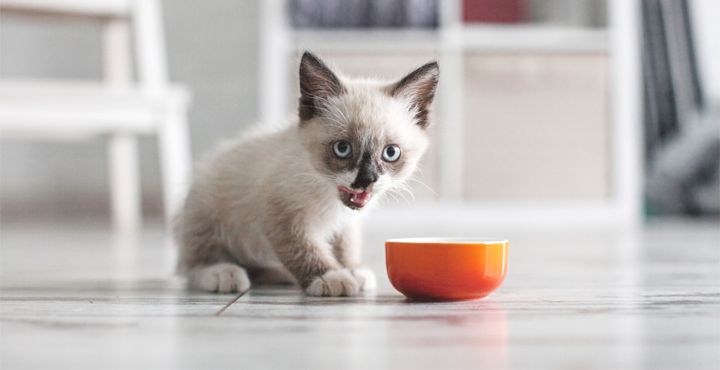
One of the most common questions new cat owners and caretakers ask is when do kittens start eating food and drinking water. Kittens grow and change very quickly during their first weeks of life, and feeding them at the right time is essential for healthy development. Introducing food or water too early or too late can lead to digestive issues, poor growth, or dehydration.
This in-depth guide explains exactly when kittens transition from milk to solid food, when they begin drinking water, and how to support them safely at each stage. Whether you are caring for newborn kittens, fostering, or preparing to adopt a young kitten, this article will help you understand what to expect and how to respond.
Understanding Kitten Development in the First Weeks
Kittens are born completely dependent on their mother or a human caregiver. Their feeding needs change rapidly as their bodies and digestive systems mature.
In the early weeks, kittens rely entirely on milk for:
- Nutrition
- Hydration
- Immune support
- Growth and energy
As they grow, their teeth develop, coordination improves, and their digestive system becomes capable of handling solid food and water.
What Do Kittens Eat at Birth?
Newborn Stage From Birth to 2 Weeks
From birth until around two weeks of age, kittens should consume only milk.
If the mother cat is present and healthy:
- Kittens nurse frequently
- Mother’s milk provides antibodies and hydration
- No additional food or water is needed
If kittens are orphaned:
- They must be fed kitten milk replacer
- Cow’s milk should never be used
- Feeding is done every few hours
At this stage, kittens cannot lap, chew, or drink water on their own.
When Do Kittens Start Eating Food?
The Transition Period Begins Around 3 to 4 Weeks
Most kittens begin showing interest in food between 3 and 4 weeks of age. This does not mean they are ready for dry food immediately, but it is the beginning of the weaning process.
Signs kittens are ready to explore food include:
- Teeth starting to emerge
- Attempting to lick or nibble
- Walking more steadily
- Watching the mother eat
At this stage, milk is still their primary source of nutrition, but food exploration begins.
Introducing Solid Food to Kittens
Best First Foods for Kittens
The first solid food should be:
- Soft
- Easy to digest
- Specifically formulated for kittens
Common options include:
- Wet kitten food
- Dry kitten food soaked in warm water or kitten milk replacer
- A soft food slurry
The goal is not full meals at first, but gentle exposure.
How to Offer Food for the First Time
Place a small amount of softened food on a shallow plate. Some kittens may:
- Lick it
- Step in it
- Walk away at first
This is normal. Learning to eat is a gradual process.
When Do Kittens Start Drinking Water?
Water Introduction Around 4 Weeks
Kittens typically begin drinking small amounts of water around 4 weeks of age, usually at the same time they start eating food.
Before this age:
- Milk provides all hydration
- Water is unnecessary and can be harmful if forced
Once food is introduced, water becomes important to support digestion and hydration.
How Kittens Learn to Drink Water
Kittens learn by:
- Watching their mother
- Experimenting with shallow bowls
- Lapping small amounts
Always use:
- A shallow dish
- Fresh, clean water
- Room temperature water
Never force a kitten’s face into water.
The Weaning Process Explained
What Is Weaning?
Weaning is the gradual transition from milk to solid food. This process usually takes place between 4 and 8 weeks of age.
During weaning:
- Milk intake decreases
- Solid food intake increases
- Water consumption slowly rises
The process should be gentle and stress-free.
Weaning Timeline Overview
Around 4 weeks:
- Kittens taste soft food
- Milk is still important
Around 5 to 6 weeks:
- Eating more solid food
- Drinking small amounts of water
Around 7 to 8 weeks:
- Fully eating solid food
- Regularly drinking water
- No longer dependent on milk
How Often Should Kittens Eat During Weaning?
Young kittens need frequent meals due to their fast metabolism.
General feeding frequency:
- 4 to 6 small meals per day during weaning
- Gradually reduce frequency as they grow
Kittens should never be left hungry for long periods during this stage.
Signs a Kitten Is Eating and Drinking Properly
Healthy kittens typically show:
- Steady weight gain
- Playful behavior
- Clear eyes and nose
- Regular urination and bowel movements
Monitoring growth is especially important during feeding transitions.
What If a Kitten Refuses Food or Water?
It is normal for kittens to be hesitant at first, but ongoing refusal can be concerning.
Possible reasons include:
- Food texture too firm
- Bowl too deep
- Stressful environment
- Illness or discomfort
If a kitten refuses food or water for more than a day during weaning, veterinary advice is recommended.
Can Kittens Drink Cow’s Milk?
Cow’s milk is not suitable for kittens.
Reasons include:
- Lactose intolerance
- Digestive upset
- Diarrhea and dehydration risk
Once kittens are weaned, their primary liquids should be water, not milk.
Dry Food vs Wet Food for Kittens
Wet Food Benefits
- Easier to chew
- Higher moisture content
- Gentle on developing teeth
Dry Food Benefits
- Helps with dental health
- Convenient for free feeding
- Long shelf life
When Can Kittens Eat Dry Food Without Softening?
Most kittens can handle dry food without soaking by:
- 7 to 8 weeks of age
However, some kittens prefer softer textures longer, which is perfectly normal.
Importance of Hydration in Kittens
Water is essential for:
- Kidney function
- Digestion
- Temperature regulation
Once kittens are fully eating solid food, water should always be available.
Signs of dehydration include:
- Lethargy
- Dry gums
- Reduced urination
If dehydration is suspected, seek veterinary care promptly.
Feeding Orphaned Kittens
Orphaned kittens require special care.
Key differences include:
- Bottle feeding milk replacer until ready for food
- Earlier human involvement in weaning
- Careful monitoring of weight and hydration
Orphaned kittens may need extra patience during the transition to food and water.
Common Feeding Mistakes to Avoid
Avoid these common errors:
- Introducing food too early
- Forcing water
- Feeding adult cat food
- Overfeeding or underfeeding
- Abruptly stopping milk
Gradual changes are safest.
How Long Should Kittens Stay With Their Mother?
Ideally, kittens remain with their mother until at least:
- 8 weeks of age
The mother helps teach:
- Eating habits
- Drinking behavior
- Social skills
Early separation can affect feeding confidence.
When Should You Contact a Veterinarian?
Seek professional advice if:
- A kitten is not gaining weight
- Refuses food or water consistently
- Shows signs of illness
- Has diarrhea during weaning
Early intervention prevents serious complications.
Frequently Asked Questions About Kittens Eating and Drinking
Can kittens survive on food alone without water?
No. Once kittens are eating solid food, water is essential for proper hydration.
Do kittens need water if they eat wet food?
Yes. Wet food provides moisture, but water should still be available.
Is it normal for kittens to play with water?
Yes. Many kittens splash or paw at water as they learn.
Final Thoughts on When Kittens Start Eating Food and Drinking Water
Kittens typically begin eating food around 3 to 4 weeks of age and start drinking water around 4 weeks, with full weaning completed by 7 to 8 weeks. Every kitten develops at a slightly different pace, so patience and observation are key.
Providing the right food, fresh water, and a calm environment helps kittens grow into healthy, confident cats. Understanding these developmental milestones ensures you support your kitten’s nutrition safely and effectively during one of the most important stages of life.