
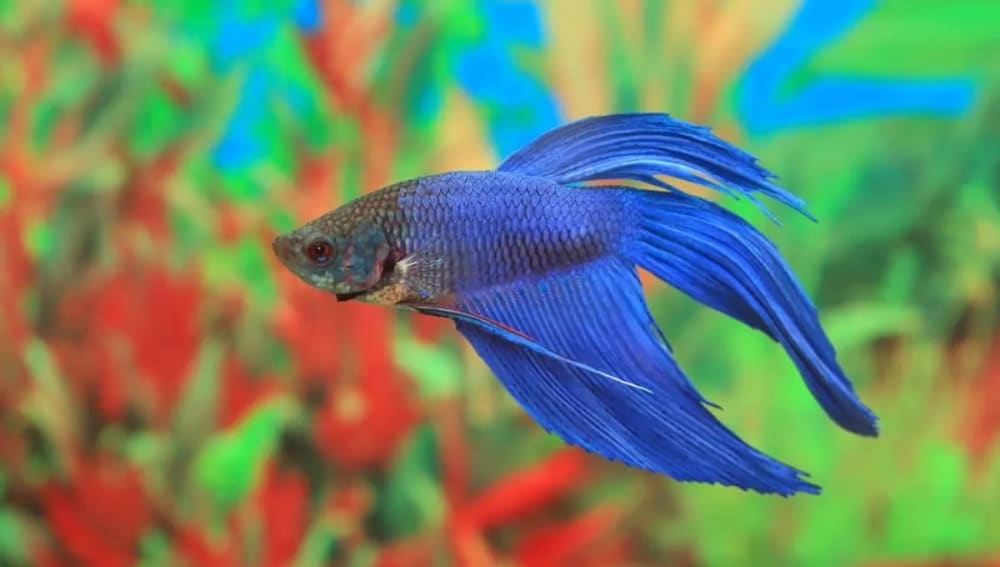
Betta fish are among the most popular freshwater aquarium pets in the world. Known for their vibrant colors, flowing fins, and curious personalities, bettas are relatively easy to care for compared to many other fish species. However, like all living creatures, they require proper nutrition to stay healthy and thrive.
One of the most common questions betta owners ask is: How long can a betta fish go without food? This concern often arises when owners travel, forget to feed their fish, or worry about whether their feeding schedule is appropriate.
While bettas are resilient fish that can survive short periods without food, there are limits to how long they can safely go unfed. Understanding those limits—and how to properly feed your betta—is essential for maintaining their health and longevity.
In this comprehensive guide, we’ll explore how long betta fish can survive without food, what factors influence their survival, signs of hunger or malnutrition, and practical tips for maintaining a healthy feeding routine.
Understanding Betta Fish Diet and Metabolism
Before discussing how long bettas can go without food, it’s important to understand their natural diet and metabolism.
Betta fish, scientifically known as Betta splendens, are carnivorous fish. In the wild, they inhabit shallow waters such as rice paddies, ponds, and slow-moving streams in Southeast Asia. Their diet primarily consists of:
- Insect larvae
- Small insects
- Zooplankton
- Tiny crustaceans
- Worms
Because of this carnivorous nature, bettas require a high-protein diet to maintain muscle mass, energy levels, and vibrant coloration.
Unlike some larger fish, bettas have very small stomachs, roughly the size of their eye. This means they require small, controlled feedings rather than large meals.
Their metabolism is relatively fast but also adaptable, allowing them to survive short periods without food if necessary.
How Long Can a Betta Fish Go Without Food?
In general, a healthy adult betta fish can survive between 10 and 14 days without food. However, survival is not the same as thriving.
While they may technically live for up to two weeks without eating, it is not healthy or recommended for them to go that long without food.
For optimal health:
- Bettas should be fed once or twice per day
- Skipping food for 1–3 days occasionally is usually safe
- Going longer than 5–7 days without food can lead to health problems
If a betta goes too long without food, it can begin to lose weight, weaken its immune system, and become more vulnerable to disease.
Typical Survival Timeline Without Food
Here is a general idea of how bettas handle food deprivation:
1–3 days without food
- Usually safe
- Most bettas show no negative effects
- Some owners intentionally fast bettas one day per week to prevent bloating
4–7 days without food
- Still survivable
- Fish may become less active
- Mild weight loss may occur
7–14 days without food
- Risk of health complications increases
- Significant energy depletion
- Immune system weakens
More than 14 days
- Survival becomes unlikely
- Severe malnutrition and organ failure may occur
These ranges vary depending on several factors, which we will discuss next.
Factors That Affect How Long a Betta Can Go Without Food
Not all betta fish are the same. Several conditions can influence how long an individual fish can survive without eating.
Age of the Betta Fish
Age plays a major role in fasting tolerance.
Adult bettas are generally more resilient and can survive longer periods without food.
Young bettas or fry require frequent feeding because they are growing rapidly. Missing meals can quickly stunt growth or cause death.
Older bettas may also struggle to survive long fasting periods due to slower metabolism and weaker health.
Overall Health
A strong, healthy betta has a better chance of surviving a few days without food than a sick or stressed fish.
A fish that already suffers from disease, parasites, or injury may deteriorate quickly if it stops eating.
Healthy bettas typically have:
- Bright coloration
- Smooth swimming patterns
- Active behavior
- Strong appetite
If your betta already appears weak or lethargic, skipping meals could worsen its condition.
Water Temperature
Temperature significantly affects a betta’s metabolism.
Bettas thrive in water temperatures between 76°F and 82°F (24°C to 28°C).
Warmer water speeds up metabolism, meaning the fish burns energy faster and needs food more frequently.
In cooler water, metabolism slows down, allowing bettas to survive slightly longer without food—but cold water can also stress them and cause illness.
Tank Conditions
The environment of the aquarium also plays a role.
In a well-established tank, bettas may occasionally snack on tiny organisms such as:
- Microorganisms
- Algae-dwelling insects
- Biofilm
While this is not enough to sustain them long term, it can slightly extend survival time compared to a completely sterile tank.
Stress Levels
Stress weakens fish and reduces their ability to survive without food.
Common stress factors include:
- Poor water quality
- Aggressive tank mates
- Frequent tank disturbances
- Sudden temperature changes
A stressed betta will use more energy and may struggle to survive long fasting periods.
Can Betta Fish Survive While Owners Are on Vacation?
Many betta owners worry about leaving their fish alone while traveling.
Fortunately, short trips are usually not a problem.
Trips of 1–3 Days
For short trips, your betta will be perfectly fine without food. Simply feed them normally before leaving.
Trips of 4–7 Days
For trips lasting up to a week, you have several options:
- Ask a friend or family member to feed the fish
- Use an automatic fish feeder
- Pre-portion food to avoid overfeeding
Avoid asking inexperienced helpers to feed the fish without clear instructions, as overfeeding is more dangerous than missing a few meals.
Trips Longer Than a Week
If you will be away for more than 7 days, it’s best to arrange reliable feeding.
Possible solutions include:
- Automatic fish feeders
- A trusted pet sitter
- A knowledgeable aquarium hobbyist
Avoid using vacation feeder blocks, which often release too much food and can pollute the tank.
Signs Your Betta Fish Is Hungry
Betta fish are intelligent and quickly learn to associate their owners with feeding time.
Some common behaviors that indicate hunger include:
Swimming to the Front of the Tank
Bettas often swim toward the glass when they see their owner approaching.
This behavior usually means they expect food.
Increased Activity
A hungry betta may swim more energetically or explore the tank more actively.
Surface Searching
Because bettas naturally eat insects from the water’s surface, they may repeatedly swim to the top if they are hungry.
However, these behaviors can also simply indicate curiosity or excitement.
Signs of Malnutrition in Betta Fish
If a betta goes too long without proper feeding, physical changes may occur.
Watch for these warning signs:
Weight Loss
A starving betta may develop a thin or sunken body shape.
Loss of Color
Malnutrition can cause dull or faded coloration.
Lethargy
Weak bettas may rest frequently or swim slowly.
Clamped Fins
Fins held close to the body may signal stress or illness.
Weak Immune System
Underfed fish are more prone to infections such as fin rot or fungal disease.
If you notice these symptoms, resume feeding carefully and monitor your fish closely.
What Happens When Betta Fish Go Too Long Without Food?
When bettas are deprived of food for extended periods, their bodies begin using stored energy.
The process typically progresses in stages:
Energy Reserve Usage
First, the fish burns stored fat for energy.
Muscle Breakdown
If starvation continues, the body begins breaking down muscle tissue.
Organ Damage
Prolonged starvation eventually damages internal organs.
Death
Without adequate nutrition, vital functions eventually fail.
Even if a betta survives a long period without food, it may suffer lasting health damage.
What Is the Best Feeding Schedule for Betta Fish?
Consistent feeding is the best way to keep your betta healthy.
A good routine typically includes:
Feeding frequency
- 1–2 times per day
Portion size
- 2–4 pellets per feeding
Weekly fasting
- One fasting day per week can help prevent bloating and constipation.
Overfeeding is a common problem among betta owners. Uneaten food can pollute the tank and cause health issues.
Always remove excess food if your betta doesn’t eat it within a few minutes.
Best Foods for Betta Fish
Providing a varied diet helps ensure your betta receives all necessary nutrients.
Some excellent food options include:
High-Quality Betta Pellets
These should be the staple of your betta’s diet. Look for pellets with high protein content.
Frozen or Freeze-Dried Foods
Popular treats include:
- Bloodworms
- Brine shrimp
- Daphnia
These foods mimic what bettas eat in the wild.
Live Foods
Live foods offer enrichment and natural hunting behavior. Options include:
- Mosquito larvae
- Live brine shrimp
- Micro worms
However, live foods should be sourced carefully to avoid introducing parasites.
Can You Overfeed a Betta Fish?
Yes, and it’s surprisingly easy.
Overfeeding can lead to several health problems such as:
- Bloating
- Swim bladder disorder
- Poor water quality
- Obesity
Many bettas appear constantly hungry, but this does not mean they need more food.
Remember: a betta’s stomach is extremely small.
Feeding small portions is always safer than giving too much food.
Tips to Prevent Feeding Problems
Keeping your betta well-fed and healthy doesn’t have to be complicated.
Follow these simple tips:
Establish a Routine
Feed your betta at the same time each day.
Fish quickly learn feeding schedules and become less stressed when routines are consistent.
Use Portion Control
Avoid guessing food amounts. Count pellets to maintain consistent portions.
Monitor Water Quality
Clean water improves digestion and overall health.
Perform regular water changes and maintain proper filtration.
Observe Your Fish
Watch your betta during feeding time. Healthy bettas eagerly eat and remain active.
Changes in appetite may indicate illness or environmental stress.
Final Thoughts
Betta fish are hardy and adaptable pets, capable of surviving short periods without food. In most cases, a healthy adult betta can survive up to two weeks without eating, but this is far from ideal.
For the best health and longevity, bettas should be fed small, protein-rich meals once or twice daily. Going a few days without food—such as during a short vacation—is generally safe, but extended fasting can weaken the fish and lead to serious health issues.
Responsible feeding practices, high-quality food, and proper tank maintenance will ensure your betta remains vibrant, active, and healthy.
By understanding your betta’s dietary needs and maintaining a consistent feeding routine, you can provide the best possible care for this beautiful and fascinating fish.