
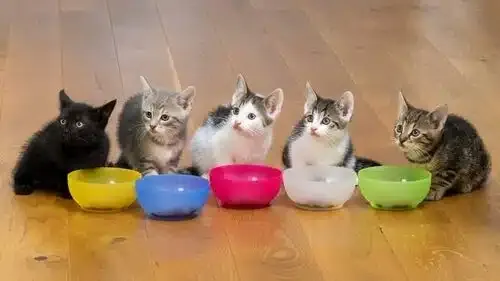
One of the most common questions new and experienced cat owners ask is can kittens eat adult cat food. At first glance, cat food may seem universal, but kittens have very different nutritional needs compared to adult cats. Feeding the wrong food at the wrong stage can affect growth, immunity, and long-term health.
This in-depth guide explains whether kittens can eat adult cat food, why kitten-specific nutrition matters, what happens if kittens eat adult food, and how to feed kittens properly at every stage of development. If you want to raise a healthy, energetic, and strong cat, understanding this topic is essential.
Understanding the Nutritional Needs of Kittens
Kittens grow at an incredibly fast rate during their first year of life. In just a few months, they:
- Double or triple their body weight
- Develop bones, muscles, teeth, and organs
- Build a strong immune system
- Develop brain and vision function
To support this rapid growth, kittens require more calories, protein, fat, vitamins, and minerals than adult cats. Their bodies are designed to absorb and use these nutrients efficiently during early life.
Adult cats, on the other hand, need maintenance nutrition rather than growth-focused nutrition. This difference is the foundation of why kitten food exists.
What Is the Difference Between Kitten Food and Adult Cat Food?
Kitten food and adult cat food are formulated with very different goals.
Protein Content
Kitten food contains:
- Higher protein levels
- Amino acids essential for muscle growth
- Support for organ and tissue development
Adult cat food contains enough protein for maintenance but not for rapid growth.
Fat and Energy Levels
Kittens need:
- More fat for energy
- Higher calorie density
- Support for brain and nervous system development
Adult cat food is lower in fat to prevent weight gain in fully grown cats.
Vitamins and Minerals
Kitten food includes:
- Extra calcium and phosphorus for bone growth
- Higher levels of DHA for brain and eye development
- Balanced nutrients for immune support
Adult cat food does not provide these nutrients in growth-appropriate amounts.
Can Kittens Eat Adult Cat Food at All?
Short Answer
Kittens can eat adult cat food occasionally, but it should not be their primary diet.
Why Adult Cat Food Is Not Ideal for Kittens
While adult cat food is not toxic, it is nutritionally incomplete for kittens. Feeding it long-term can lead to:
- Slower growth
- Weakened bones
- Poor muscle development
- Lower energy levels
- Compromised immune function
Kittens may appear full, but their bodies may still lack critical nutrients.
What Happens If a Kitten Eats Adult Cat Food?
If a kitten eats adult cat food once or for a short period, it is usually not an emergency. However, problems can develop if it becomes a habit.
Short-Term Effects
In the short term, you may notice:
- Less playful behavior
- Reduced appetite
- Slower weight gain
These signs are subtle but important.
Long-Term Effects
Over time, a kitten fed adult cat food may experience:
- Stunted growth
- Bone and joint issues
- Dull coat quality
- Delayed development
These effects can be difficult to reverse later.
Age Matters: When Can Kittens Transition to Adult Cat Food?
Birth to 4 Weeks
Kittens should consume:
- Mother’s milk or kitten milk replacer only
Solid food, adult or kitten, is not appropriate at this stage.
4 to 8 Weeks
This is the weaning period.
- Kittens begin eating soft kitten food
- Adult cat food is not recommended
Their digestive systems are still developing.
8 Weeks to 12 Months
This is the primary growth phase.
- Kittens should eat kitten-formulated food exclusively
- Both wet and dry kitten food can be offered
This stage is critical for healthy development.
After 12 Months
Most cats can transition to adult cat food around:
- 10 to 12 months of age
Large breeds may need kitten food longer due to extended growth periods.
Why Kitten Food Is Essential During Growth
Kitten food is not just marketing. It is designed to meet very specific biological needs.
Supports Healthy Bone Development
Calcium and phosphorus ratios in kitten food are carefully balanced. Too little or too much can cause skeletal issues.
Fuels High Energy Levels
Kittens play, explore, and learn constantly. Higher calorie intake supports this activity without compromising health.
Strengthens the Immune System
Extra nutrients help kittens fight infections and adapt to environmental changes.
Wet Food vs Dry Food for Kittens
Both wet and dry kitten foods have benefits.
Wet Kitten Food Benefits
- Higher moisture content
- Easier to chew
- Supports hydration
- Ideal during weaning
Dry Kitten Food Benefits
- Helps develop chewing skills
- Convenient for free feeding
- Supports dental health
What If You Only Have Adult Cat Food Available?
Sometimes circumstances make kitten food unavailable.
Short-Term Solution
If kitten food is temporarily unavailable:
- Adult cat food can be used briefly
- Choose high-quality, protein-rich options
- Monitor your kitten closely
This should only be a short-term solution.
Transition Back as Soon as Possible
Once kitten food is available:
- Gradually reintroduce it
- Avoid sudden dietary changes
The sooner a kitten returns to proper nutrition, the better.
Can Kittens Eat Adult Wet Cat Food?
Adult wet cat food may seem softer and easier to eat, but the nutritional issue remains.
Adult wet food:
- Lacks sufficient growth nutrients
- May not meet calorie requirements
Texture alone does not make it suitable for kittens.
Can Kittens Eat Adult Dry Cat Food?
Adult dry food is generally:
- Harder to chew
- Lower in calories
- Less suitable for developing teeth
If eaten occasionally, it is not harmful, but it should not replace kitten food.
Feeding Schedules for Kittens
Kittens need more frequent meals than adult cats.
Typical Feeding Frequency
- 8 to 12 weeks: 4 meals per day
- 3 to 6 months: 3 meals per day
- 6 to 12 months: 2 to 3 meals per day
Signs Your Kitten Is Not Getting Proper Nutrition
Watch for these warning signs:
- Poor weight gain
- Lethargy
- Dull or rough coat
- Digestive upset
- Weakness or delayed milestones
If you notice these signs, review the diet immediately.
Special Situations to Consider
Multiple Cats in the Home
If adult cats and kittens eat together:
- Adult cats may eat kitten food
- Kitten food is safe for adults but calorie-rich
Feeding separately helps ensure proper nutrition for everyone.
Orphaned Kittens
Orphaned kittens need:
- Kitten milk replacer initially
- A carefully managed transition to kitten food
Adult cat food should be avoided during early development.
Large Breed Kittens
Some larger breeds grow more slowly and benefit from kitten food longer.
How to Transition from Kitten Food to Adult Cat Food
When your kitten reaches maturity:
- Transition gradually over 7 to 10 days
- Mix increasing amounts of adult food
- Watch for digestive upset
A slow transition helps prevent stomach issues.
Common Myths About Kittens and Adult Cat Food
Myth: Adult Cat Food Is Fine If the Kitten Eats Enough
Quantity does not replace nutritional quality. Kittens need specific nutrients, not just calories.
Myth: Kitten Food Makes Cats Too Hyper
High energy in kittens is natural and healthy.
Myth: All Cat Food Is Basically the Same
Formulation differences matter greatly, especially during growth.
How to Choose the Right Kitten Food
Look for:
- Labels stating complete and balanced for growth
- High-quality protein sources
- Appropriate fat levels
- No unnecessary fillers
Veterinarian recommendations can also help guide choices.
When to Ask a Veterinarian About Diet
Consult a professional if:
- Your kitten has special health needs
- Growth seems abnormal
- Digestive issues persist
- You are unsure about transitioning foods
Personalized advice ensures optimal health.
Final Thoughts on Can Kittens Eat Adult Cat Food
Kittens should not eat adult cat food as their main diet. While an occasional bite is not dangerous, adult cat food does not provide the nutrients kittens need for healthy growth and development. Feeding kitten-specific food during the first year of life supports strong bones, muscles, immunity, and lifelong health.
By choosing the right food at the right stage, you give your kitten the best possible start. Proper nutrition during early life lays the foundation for a long, healthy, and happy future as an adult cat.