
Food poisoning can be an uncomfortable and sometimes frightening experience. Nausea, vomiting, diarrhea, stomach cramps, weakness, and dehydration are common symptoms that can leave your body feeling drained and sensitive. Once the worst symptoms begin to ease, one of the most important questions people ask is: what should I eat after food poisoning?
Eating the right foods at the right time can significantly speed up recovery, soothe your digestive system, restore lost nutrients, and help prevent symptoms from returning. On the other hand, eating the wrong foods too soon can worsen discomfort and delay healing.
This in-depth guide explains what to eat after food poisoning, what to avoid, and how to gradually return to a normal diet. The information is structured with clear headings so you can easily scan and find what you need.
Understanding Food Poisoning and Its Impact on Digestion
Food poisoning occurs when you consume food or drinks contaminated with bacteria, viruses, parasites, or toxins. Common culprits include Salmonella, E. coli, Norovirus, Campylobacter, and Staphylococcus toxins.
When food poisoning strikes, your digestive system reacts by trying to expel the harmful substances as quickly as possible. This often results in vomiting and diarrhea, which, while unpleasant, are part of the body’s defense mechanism.
However, this process also causes:
- Irritation and inflammation of the stomach and intestines
- Loss of fluids and electrolytes
- Temporary difficulty digesting normal foods
- Reduced appetite and weakness
When Should You Start Eating After Food Poisoning?
In the first hours of food poisoning, many people cannot tolerate solid food at all. If you are actively vomiting or have severe diarrhea, it is best to focus on hydration rather than eating.
You should consider eating again when:
- Vomiting has stopped or significantly reduced
- Nausea is mild or manageable
- You feel hungry or able to tolerate food smells
- Diarrhea is slowing down
The Importance of Hydration Before Solid Foods
Before discussing what to eat after food poisoning, it’s important to highlight hydration. Fluid loss is one of the most dangerous aspects of food poisoning, especially for children, older adults, and people with weakened immune systems.
Best Fluids After Food Poisoning
- Water (small, frequent sips)
- Oral rehydration solutions
- Clear broths
- Coconut water (unsweetened)
- Weak herbal teas such as chamomile or ginger
Once hydration is under control, you can slowly introduce food.
The BRAT Diet: A Classic Starting Point
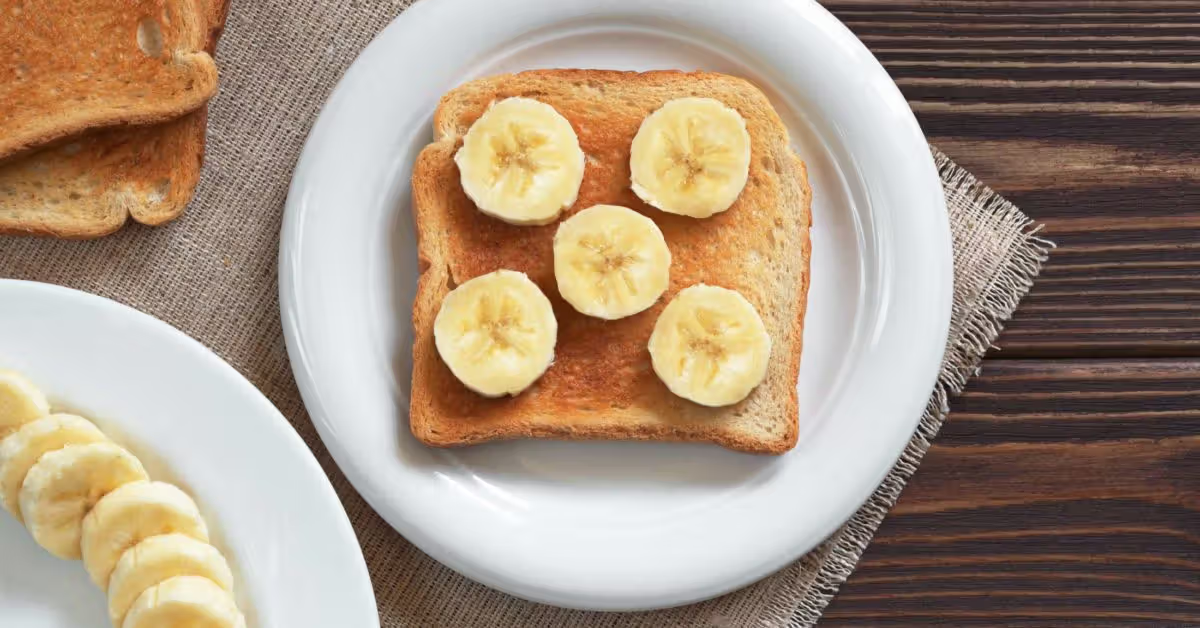
One of the most commonly recommended approaches for eating after food poisoning is the BRAT diet. BRAT stands for Bananas, Rice, Applesauce, and Toast. These foods are bland, easy to digest, and gentle on the stomach.
Bananas
Bananas are rich in potassium, an electrolyte often lost through vomiting and diarrhea. They are soft, easy to digest, and provide quick energy without irritating the stomach.
Rice
Plain white rice is low in fiber and helps bind stools, which can be helpful if diarrhea is still present. Avoid adding spices, butter, or oils at this stage.
Applesauce
Applesauce provides carbohydrates and pectin, which can help firm up stools. Choose unsweetened applesauce to avoid excess sugar.
Toast
Plain toast, especially white bread, is easy to digest. Avoid butter, jam, or spreads until your stomach feels stronger.
The BRAT diet is not meant to be followed long-term, but it is an excellent short-term solution during the early recovery phase.
Other Gentle Foods to Eat After Food Poisoning
Once you tolerate the BRAT diet without symptoms, you can gradually add other mild foods. These foods continue to support digestion while providing more nutrients.
Boiled or Baked Potatoes
Potatoes are easy to digest and provide carbohydrates and potassium. Eat them plain or lightly salted, without butter or heavy toppings.
Plain Crackers
Saltine or plain crackers can help settle the stomach and provide sodium lost through dehydration.
Oatmeal
Plain oatmeal cooked in water is soothing and easy on the stomach. Avoid adding milk, sugar, or sweeteners initially.
Boiled Vegetables
Soft, well-cooked vegetables such as carrots, zucchini, or squash can be introduced slowly. Avoid raw vegetables at first, as they are harder to digest.
Clear Soups and Broths
Chicken or vegetable broth provides hydration, electrolytes, and warmth without stressing the digestive system. Make sure the broth is low in fat and mild in seasoning.
Protein Sources That Are Safe During Recovery
Protein is important for healing, but it should be introduced carefully after food poisoning.
Boiled or Poached Chicken
Skinless chicken breast that is boiled or poached is lean and easy to digest. Avoid frying or seasoning heavily.
Eggs
Soft-boiled or scrambled eggs made without butter or oil can be a gentle source of protein once nausea has subsided.
Plain Yogurt with Live Cultures
Yogurt containing probiotics can help restore healthy gut bacteria disrupted by food poisoning. Choose plain, unsweetened yogurt and start with small amounts.
If dairy causes discomfort, wait a few more days before trying yogurt again.
The Role of Probiotics After Food Poisoning
Food poisoning can disrupt the balance of good bacteria in your gut. Probiotics help restore this balance and may reduce the duration of diarrhea.
Probiotic-Rich Foods
- Plain yogurt with live cultures
- Kefir (if tolerated)
- Fermented foods in very small amounts, such as plain curd
Foods to Avoid After Food Poisoning
Knowing what not to eat after food poisoning is just as important as knowing what to eat. Certain foods can irritate your stomach, worsen diarrhea, or delay healing.
Fatty and Fried Foods
Greasy foods are difficult to digest and can trigger nausea and diarrhea. Avoid fried chicken, fast food, pizza, and oily snacks.
Spicy Foods
Spices can irritate an already inflamed digestive tract. Avoid chili, hot sauces, curries, and strong seasonings until fully recovered.
Dairy Products
Milk, cheese, cream, and ice cream can be hard to digest after food poisoning, especially if temporary lactose intolerance develops.
Caffeine
Coffee, energy drinks, and strong tea can stimulate the intestines and worsen diarrhea and dehydration.
Alcohol
Alcohol irritates the stomach lining and can slow recovery. It also contributes to dehydration.
Sugary Foods and Drinks
Excess sugar can draw water into the intestines, worsening diarrhea. Avoid sweets, desserts, sodas, and packaged juices.
How to Gradually Return to a Normal Diet
Recovery from food poisoning is a gradual process. Even if you start feeling better, your digestive system may still be sensitive.
Step-by-Step Approach
- Start with fluids only
- Introduce bland foods like bananas, rice, and toast
- Add soft vegetables and lean proteins
- Slowly reintroduce normal foods over several days
Portion Control and Eating Habits During Recovery
How you eat matters just as much as what you eat after food poisoning.
Helpful Eating Tips
- Eat small portions frequently instead of large meals
- Chew food thoroughly
- Eat slowly and mindfully
- Avoid lying down immediately after eating
Special Considerations for Children and Older Adults
Children and older adults are more vulnerable to dehydration and complications from food poisoning.
For children:
- Focus on hydration first
- Offer soft, familiar foods
- Avoid forcing them to eat
- Monitor fluid intake closely
- Choose nutrient-dense but gentle foods
- Seek medical advice if recovery seems slow
When to Seek Medical Help
While most cases of food poisoning resolve on their own, medical attention is necessary in some situations.
Seek medical help if:
- Symptoms last more than three days
- There is high fever
- Blood appears in stool or vomit
- Severe dehydration occurs
- The person is pregnant, elderly, or immunocompromised
Long-Term Gut Health After Food Poisoning
Even after symptoms disappear, some people experience lingering digestive issues such as bloating or sensitivity. Supporting gut health can help prevent long-term problems.
Tips for Long-Term Recovery
- Continue eating balanced, whole foods
- Include fiber gradually
- Stay hydrated
- Manage stress, which affects digestion
Final Thoughts on What to Eat After Food Poisoning
Knowing what to eat after food poisoning can make a significant difference in how quickly and comfortably you recover. The key is to start gently, prioritize hydration, choose bland and easy-to-digest foods, and avoid anything that irritates your stomach.
Every person’s recovery timeline is different, so listen to your body and move at your own pace. With the right dietary choices and proper care, most people recover fully and return to their normal eating habits without complications.
By following these guidelines, you give your digestive system the support it needs to heal and regain strength safely and effectively.